
Glyphosate and Its Dual Impact: Enzyme Inhibition, Herbicide Resistanceand Environmental Challenges in Agricultural Contamination
Yogesha Paruvaiah1
 , Nerlige Sannabasappa Raju1
and Kalya Tulasidas Vadiraj2
*
, Nerlige Sannabasappa Raju1
and Kalya Tulasidas Vadiraj2
*
1
Department of Studies in Environmental Science,
Manasagothri, University of Mysore,
Mysuru,
Karnataka
India
2
Department of Environmental Science,
JSS Academy of Higher Education and Research,
Mysuru,
Karnataka
India
http://dx.doi.org/10.12944/CWE.21.1.6
Copy the following to cite this article:
Paruvaiah Y, Raju N. S, Vadiraj K. T. Glyphosate and its Dual Impact: Enzyme Inhibition, Herbicide Resistanceand Environmental Challenges in Agricultural Contamination. Curr World Environ 2026;21(1). DOI:http://dx.doi.org/10.12944/CWE.21.1.6
Copy the following to cite this URL:
Paruvaiah Y, Raju N. S, Vadiraj K. T. Glyphosate and its Dual Impact: Enzyme Inhibition, Herbicide Resistanceand Environmental Challenges in Agricultural Contamination. Curr World Environ 2026;21(1).
Download article (pdf)
Citation Manager
Publish History

Introduction
Glyphosate [N-(phosphonomethyl) glycine, C3H8NO5P] is an organo-phosphorous compound, that has been an extensively used as non-specific, herbicide targeting broadleaf weeds and grasses. Specifically, phosphonates with a persistent carbon-phosphorus (C-P) link are organophosphorus molecules known as glyphosate. It is frequently used to manage annual and persistent unwanted vegetation in farming, forestry, home gardens, and urban landscaping. Salts of potassium, isopropylamine, ammonium, diammonium, and dimethylammonium are among its several chemical forms.1Glyphosate applied for the management of annual and perennial weeds in agriculture, forestry, home gardens, and urban landscapes. Glyphosate is marketed in several salt forms, including potassium, isopropylamine, ammonium, diammonium, and dimethylammonium salts. Commercial glyphosate-based herbicides typically consist of the active ingredient glyphosate combined with inert co-formulants, making them suitable for use in both domestic gardening and agricultural practices.2Glyphosateand glycine-based herbicides (GBHs) on agricultural crops have lead to the proliferation of tolerant and unwilling weeds across the United States and other nations, with increased dosage and frequent applications.3Glyphosate exposure may occur through multiple pathways, including dietary intake from contaminated food and drinking water, environmental dispersion, and occupational handling during agricultural and horticultural applications. As the active ingredient in herbicidal formulations such as Roundup, glyphosate is widely applied for weed control. Following application, a fraction of the compound reaches the soil surface, where it undergoes adsorption to soil particles depending on physicochemical properties, while the remaining portion persists temporarily in the soil matrix before degradation or potential mobilization.4-6Different biochemical or chemical methods will take place in response to this distribution, the biological activity, and the physicochemical characteristics of the medium and will result in the transformation and mineralization of pesticides. It functions by preventing 3-enolpyruvylshikimate-5-phosphate enzyme (EPSP synthase), a chloroplast enzyme that disrupts the creation of Amino acids that include benzene rings are required for protein formation. An enzyme known as EPSP Synthase is a component of the shikimic acid metabolic pathway. Mammals do not engage in this process; hence the acute toxicity to animals is minor. Only bacteria, fungus, and plants go through this procedure.7Many studies shown negative effects on both terrestrial and aquatic species. These have generated concerns about the potential environmental repercussions. The relatively rapid degradation of Glyphosate reduces its potential to contaminate soil and water, and its metabolites, particularly aminomethylphosphonic acid (AMPA) and sarcosine, also pose environmental concerns.8
Glyphosate is the most widely used herbicide worldwide, with an estimated 740–920 thousand tons in use by 2025. Micronutrients can stimulate or inhibit a wide range of vital physiological processes. Therefore, crop growth, disease, and pest resistance can be greatly affected by a lack of change in the availability of these regulatory factors. Upon entering the soil, glyphosate rapidly adsorbs to soil particles and is unlikely to seep into the soil or surface waters.9 Additionally, glyphosate is susceptible to microbial oxidation and is extensively adsorbed to soil solids by its basic metabolite, AMPA. These characteristics have led to the widespread acceptance of glyphosate as an ecologically safe herbicide.10
In agriculture, glyphosate is primarily used to eradicate vegetation cover and manage weeds prior to crop planting. plants classified as weeds were destroyed by glyphosate than by any other herbicide found in the field of modern weed science to date. It had a systemic effect, spreading from leaf surfaces throughout the plant body and disrupting a critical process in the production of amino acids (the shikimate pathway), which led to the death of the plant after several days.11By suppressing target enzyme 3-enolpyruvylshikimate-5-phosphate synthase (EPSPS) and related pathways are specific to plants and not present in other non-plant organisms, Monsanto scientists claimed that the chemical would not have an impact on humans. They also said that glyphosate did not bioaccumulate in animals or remain in soil. These assertions stood in stark contrast to the 2, 4-D and paraquat herbicides, which were hazardous to both people and animals and were often used at the time.12glyphosate resistance was only conferred by a small number of unique mutations, occurred only at low doses, and was absent in wild plants, some researchers hypothesized that plants were unlikely to gain it. Depending on the country, glyphosate herbicide is used as a pre-harvest desiccant. It can speed up crop maturity or make threshing easier, which lowers production losses in rainy weather. (Fig 1).13Herbicides are required in modern agriculture to control weeds that regularly damage crop production. Non-target organisms may be affected by these chemicals. Post-emergence applications are allowed on crops that either normally resist glyphosate or were genetically engineered to do so. Since 1996, glyphosate has been considered a comparatively eco-friendly herbicide for monoculture agriculture, as it poses lower toxicity risks (LD50 = 4,230 mg per kg body weight) compared to both newer and older herbicides like paraquat (LD50 = 150 mg per kg body weight), atrazine (LD50 = 2,000 mg per kg body weight, banned in 37 countries), and 2, 4-D (LD50 = 375 mg per kg body weight, prohibited in three nations). On glyphosate-treated croplands across 37 countries, a total of 38 weed species resistant to glyphosate have emerged across 34 different types of crops, such as cereals, fruit farm, grape plantation, fallow land, and. more14,15
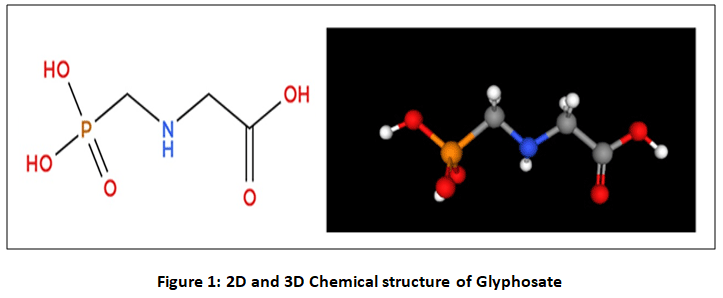 | Figure 1: 2D and 3D Chemical structure of Glyphosate
|
The most recent US census in 2016 utilized over 130,000 tonnes of glyphosate, which is 16–19 times greater than in 1992.9The US Environmental Protection Agency (EPA) has ranked glyphosate to be the most effective herbicide based on its widespread use. According to recent studies, 1% of the world's cropland, or roughly 385,000 km2, is susceptible glyphosate contamination has been linked to the disease, with high-risk areas identified in South America, Europe, South Asia.16Glyphosate has a half-life of than 35 days over a wide pH range at 35 C and is strongly photodegradable (11,600 ppm at 25 oC). Glyphosate often sticks to particles of dirt and builds up in the earth's uppermost layer. The study shows majority surface runoff, aerial drift, and glyphosate downward movement through the soil, this herbicide is commonly found in groundwater, surface water and water-sediment systems.17The projected usage of glyphosate rates are currently up to 6.6 kg/ha for maize, 3.9 kilograms per hectare for soybeans, 0.7 kilograms per hectare for wheat, and 0.4 kilograms per hectare for cotton. At current levels, glyphosate residues found in agricultural soils across the United States and Europe exceed 0.5 mg per kg of soil. In American water bodies such as ditches, drains, ponds, wetlands, and lakes, concentrations vary from 0.01 to 500 ug/L, while larger streams and groundwater show levels ranging between 0.02 and 5200 ug/L. These findings indicate that both Glyphosate and its persistent metabolite, aminomethylphosphonic acid (AMPA), pose a significant and widespread ecological risk.18,19The European Commission extended its marketing permit, which was due to expire for five years in December 2017.The International Agency for Research on Cancer (IARC), part of the World Health Organization, has categorized glyphosate as a substance that may lead to cancer development in people.20Herbicides can be splashed on the leaves, sprayed on the soil, or sprayed directly on the plants.21,22 Glyphosate herbicides are used on lawns, parks, golf courses, and other areas to manage vegetation and maintain landscapes.23-25
History of Glyphosate usage
Global use of glyphosate herbicide
In 1995, farmers worldwide used approximately 51.3 million perkg of glyphosate, a herbicide introduced in 1974 and favoured for its effectiveness in disrupting the shikimate pathway in plants. Glyphosate consumption increased dramatically to 747 million tonnes worldwide by 2014, primarily due to GE-HT crops that permitted post-emergence glyphosate application. This volume, applied at an average rate of 1.5–2.0 kg/ha, could cover 22–30% of the world's cropland.26
After losing patent protection in 2000, glyphosate production expanded, with Chinese manufacturers supplying 40% of the global market. Monsanto, the original patent holder, maintained market dominance by bundling its Roundup herbicides with herbicide-tolerant seeds. Despite mounting competition and pricing pressure, glyphosate continues to be the most commonly used herbicide.27
Glyphosate Application Worldwide
During the 1970s, in contrast to the leading herbicides used during that period (such as atrazine and metolachlor), glyphosate was used relatively less. Until the genetically engineered era, the volume applied rose modestly.28 In 1994, approximately 43 million kilograms (95 million pounds) of active ingredients was applied globally in agricultural practices. An additional 13 million kilograms were used for non-agricultural applications, bringing the total usage to approximately 56.3 million kilograms (124 million pounds). The use of glyphosate in agriculture has exploded globally since the 1996 release of genetically modified crops that are resistant to herbicides. Farmers overall application volume increased 14.6 times; in 1995, the amount was 51 million kilograms (113 million lbs), but it saw a sharp increase, reaching 747 million kilograms (1.65 billion lbs). theUnited States increased by a factor of 9.1.Globally, the amount of GE crops used for non-agricultural purposes has increased fivefold since their debut, starting at 16 million kilograms in 1995; the figure grew to 79 million kilograms, fluctuating between 35 and 175 million pounds.11, 29
Glyphosate Toxicity
The acute lethal dose (LD50) of glyphosate in mammals is approximately 5037 mg/kg. Based on the EPA registration guidelines, herbicides with an LD50 exceeding 5000 mg/kg are categorized as having the lowest threshold of acute toxicity (Category IV). The LD50 of glyphosate is approximately the cut-off point for this category continues usage leads to chronic toxicity.30
Glyphosate Exposure (Environmental Contamination of Glyphosate)
During risk assessment process, when a chemical is extremely poisonous and enduring, to measure the potential exposure routes and sources is included in the assessment process. Glyphosate exposure may be classified into two categories: environmental exposure and exposure of individuals and pets. Recognizing the risks associated with each category would be easier by identifying exposure at these levels.31
Glyphosate Herbicide Exposure on Humans and Animals
Glyphosate is cost-effective commercial formulations to the farmers,its rapid plant absorption, quick solution with general perception that they pose little environmental harm. The extensive and ongoing usage, they have accumulated in soil and water systems through runoff and leaching, which has sparked growing concerns about their potential negative impacts on biodiversity, human health, and the general health of ecosystems.32 Workplace exposure includes acute risks from glyphosate and its co-formulants, the indirect exposure involves environmental residues or transformation products such as AMPA. Individuals living near farms or glyphosate facilities, along with agricultural workers, face higher exposure risks through inhalation, skin, or eye contact. Although glyphosate residues have been detected in urine samples, they have not been found in breast milk. Exposure levels in the general population are lower, primarily through food and water.33
Glyphosate Herbicide Exposure on the Environment
Concerns over ongoing low-level exposure have been raised by the discovery of glyphosate residues in urine, blood, and breast milk, as well as in the general population, including children. The European Food Safety Authority later determined in 2022 that there was not enough evidence to confirm carcinogenic or mutagenic effects, despite the International Agency for Research on Cancer's 2015 classification of glyphosate as a carcinogenic compound (Group 2A). theEuropean Commission extended its approval for an additional ten years.34 Although their ionic nature and low vapour pressure (ranging from 1.84 107 mm Hg to 6.75 108 mm Hg at 298 K) result in a low presence from evaporation, certain trace quantities are accessible due to their utilization in aquatic contexts. The presence of glyphosate in the air can be explained by the spray application and weather conditions that might harm other non-target plants.35
Effects of Glyphosate on Plants, Animals, Humans, and Microbes
Glyphosate continues to dominate farming systems despite its decreasing effectiveness due to resistant weeds and continuous regulatory discussions affected by corporate and agricultural forces. The limitation may cause dependency on other pesticides with unknown long-term effects.Owing to its extensive use, glyphosate is frequently found in environmental matrices, raising concerns about possible hazards to ecological and human health, particularly in light of contradictory data on surfactants and formulation additives.36Glyphosate disrupts biological processes by inhibiting the enzyme 5-enolpyruvylshikimate-3-phosphate synthase (EPSPS). This limitation occurs during the sixth stage of the shikimate pathway, where the transformation of shikimate-3-phosphate into EPSP is halted by glyphosate. Consequently, the production of aromatic amino acids and defence-associated secondary metabolites in plants and some microorganisms is impaired.37
Impact on Vegetation
Glyphosate negatively affects both monocotyledonous plant species. (e.g., grasses) and dicotyledonous (broad-leaf) plants, aided by surfactants that enhance absorption and transport within the plant. It disrupts antioxidant enzymes, generates Reactive Oxygen Species (ROS), and impairs photosynthesis by accelerating chlorophyll breakdown and inhibiting its biosynthesis, leading to leaf yellowing and necrosis.38 Glyphosate weakens the plantimmunity by preventing the accumulation of protective aromatic compounds, making plants vulnerable to soil pathogens such as Fusarium and Rhizoctonia species. Although glyphosate may reduce spore germination and pathogen growth in vitro, glyphosate-treated plants often suffer from reduced resistance and altered microbial communities, increasing susceptibility to infections. Changes in root exudates and microbial composition further attract pathogens to glyphosate-treated plants.39
Effects on BothHumans and Animals
Because they lack the shikimate pathway, a single exposure to a reasonably large dose of glyphosate does not cause acute toxicity in mammals, amphibians, or reptiles. The median fatal dosages vary dramatically for diverse formulations, especially surfactants. In comparison, formulations containing POEA are comparatively hazardous. The most lethal formulations contain lethal concentrations of 175–540 mg of glyphosate acid equivalent to per kgof body weight for animals on land and 1–52 mg per litre of water for aquatic animals. It is challenging to directly compare the glyphosate sensitivity of these two populations because of their drastically different exposure methods.40
Effects on Microorganisms
In addition to plants, fungi and bacteria also have the shikimate pathway, making numerous taxa of microorganisms susceptible to glyphosate. Few species with the shikimate pathway are vulnerable to glyphosate, and the response varies based on the type of EPSPS produced. Type I EPSPS is sensitive to glyphosate, while class II EPSPS is not. For instance, the EPSPS gene in the Agrobacterium tumefaciens strain CP4, in its class II form, is resistant to glyphosate inhibition.In general, the selection of glyphosate-insensitive microbial activity mirrors the resistance mechanisms observed in plants.Consequently, microbial communities in different environments containing glyphosate, such as plant surfaces, soil, and animal digestive systems, are affected by varying levels of sensitivity among microorganisms.41
Environmental Pollution and Associated Hazards
Glyphosate has been detected in soil, agricultural goods, livestock fed on crops, humans, fresh water, and the creatures that live there. Glyphosate and its derivatives have also been found to spread through soil erosion caused by wind and water (Fig 2). Dust from non-agricultural residences also contained traces of glyphosate, proving that glyphosate exposure goes beyond the workplace.42When glyphosate breaks down in the environment, it produces AMPA and carbon dioxide and lowers the pH of the water. The normal environmental lifespan of glyphosate is 4–180 days, making it an extremely dangerous source for soil and possibly even groundwater. Numerous experimental investigations have demonstrated that plants sprayed with glyphosate absorb over 45% of the glyphosate administered to the soil.43 There are very few physical methods to remove glyphosate from the environment. Glyphosate is primarily degraded in soil through microbial activity. Numerous studies have reported that its half-life in soil averages around 47 days, although this period can vary considerably from as little as 2 days to as much as 200 days—depending on environmental conditions and soil characteristics. This process is oxygen-dependent and vary based on the characteristics of the soil and the pH range in which the reaction occurs. Under aerobic conditions, soils can contain up to 20% of the glyphosate applied, under anaerobic conditions, they can contain up to 0.5%.Investigations have also revealed that adjuvants such as POEA are prevalent in soil and sediment layers by the strong binding abilities.44, 45
Every time glyphosate comes into contact with water, it rapidly changes into its main metabolite, AMPA, which is much persistent and has a half-life of 76–240 days while still having the majority of the unfavorable traits of its predecessor. For 50% of the glyphosate, less than 14 days were required in aerobic circumstances and 14–22 days in anaerobic conditions that were already present in water to break down, according to laboratory measurements.12,46A chemical reaction involving oxidation in water typically takes 28 days to remove 50% of the glyphosate present; the type of light radiation affects the result. The rate of deterioration in water is much slower than in other types of soil as the fewer water-borne microbes than in soils. Glyphosate, as mentioned in the usage instructions and the dangerous clauses of the health data sheet.47
Prolonged exposure to glyphosate negatively affects Lemna minor (commonly known as duckweed), leading to decreased biomass and productivity, suppression of chlorophyll a, chlorophyll b, and carotenoid synthesis, and impaired photosystem II activity. Given its harmful effects on aquatic organisms, glyphosate must be carefully managed and not released into natural water systems, as emphasized by regulatory guidelines and hazard warnings in safety documentation.48
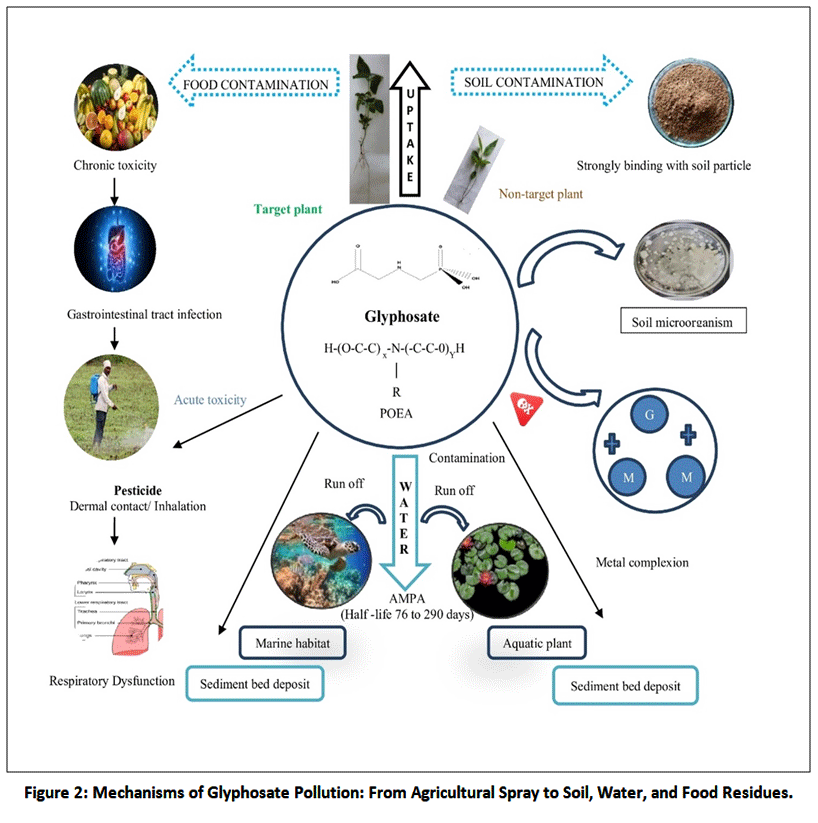 | Figure 2: Mechanisms of Glyphosate Pollution: From Agricultural Spray to Soil, Water, and Food Residues.
|
Glyphosate Herbicide Exposure: Air and Water
Glyphosate and its degradation by AMPA were examined in uniform rain and air in Iowa, Mississippi, and Indiana in 2007–2008. Glyphosate was frequently detected in rain (0.1–2.5 mg/L) and air (0.01–9.1 ng/m³), while AMPA appeared rarely and in low amounts. Airborne concentrations were linked to crop applications during the growing seasons. Human exposure through air was considered minimal unless rainwater was consumed, with surface water being the likely exposure route. In the worst-case scenario, a 70 kg person inhaled glyphosate at 100% absorption to calculate the potential systemic doses.49
Water
Glyphosate, which is widely used to control aquatic weeds, can contaminate surface water through runoff, soil treatment, and spray drift. Despite its strong soil-binding properties, it is water-soluble and has been detected only in trace amounts in U.S. waterways, according to the U.S. Geological Survey's (USGS) National Water Quality Assessment (NAWQA) initiative. Glyphosate assessment began in 2002, with data collected from 2002 to 2014. Concentrations below the detection limit (0.02 µg/L) were replaced with a value of "0" for analysis, and rankings were plotted using the Weibull formula. The 90th percentile concentrations were estimated to assess systemic exposure, assuming that a person weighing 70 kg consumes two liters of water per day. Although glyphosate and its by-product AMPA can be removed from drinking water during purification, worst-case scenarios were considered by their potential presence.50
Exposures from food and bystanders
Numerous researchers have presented various estimates of glyphosate exposure among the public and bystanders. Systemic dosages ranging from 0.00002 to 0.00063 mg/kg/day were indicated by these investigations. These numbers are all below theAcceptable Daily Intake (ADI) specified by the EFSA.
Applicator Exposure
Approximately five times lower than the systemic EFSA ADI, the 90th percentile in the dosimetry analyses was 0.021 mg/kg/day. Systemic dosages ranging from 0.00002 to 0.00063 mg/kg/day were indicated by these investigations. These numbers are all below the ADI, as specified by the EFSA.51The EFSA's systemic ADI was approximately 70 times less than 0.0014 mg/kg of body weight/day the 90th centile. Thebio-exposure to Glyphosate cause vulnerable disrubptions as systemic absorption among applicators, bystanders, and the general population remains minimal. Reported exposure levels are substantially below mentioned reference dose (RFDs) and Acceptable Daily Intakes (ADIs), suggesting a considerable margin of safety under typical usage conditions.52, 53
Available remedial approaches
To mitigate the environmental harm and health risks posed by glyphosate, effective removal is essential. Various biological and nonbiological approaches for eliminating glyphosate from the environment have been explored. These methods generally fall into two categories: biological techniques, such as phytoremediation and microbial treatments, and physico-chemical techniques, including photocatalysis, ion exchange, electrochemical reduction, oxidation processes, ultrafiltration, membrane filtration, and adsorption. Both categories are briefly reviewed in the following sections to provide an overview of the glyphosate remediation situation to date.54
Mechanism of glyphosate degradation pathways
Figures 3 and 4 show the two different pathways that glyphosate may follow to break down. This is seen by the way the C-P & C-N bonds are cleaved when attacked by hydroxyl radicals. A commonly observed pathway for the degradation of glyphosate involves the cleavage of its carbon-nitrogen (C–N) bond, leading to the production of (aminomethyl)phosphonate (AMPA), a phosphonate compound that various bacterial species are capable of breaking down.55 Another name for glyphosate oxidase or glyphosate oxidoreductase is glycine oxidase, is one of the two enzymes. (Fig2), converts glyphosate into AMPA. In the presence of water molecules and ambient oxygen, the FAD-dependent glyphosate oxidase breaks down glyphosate to generate hydrogen peroxide, glyoxylate, and (aminomethyl) phosphonate (AMPA). Similar to this, glyphosate is transformed into AMPA and glyoxylate by the glyphosate oxidoreductase when there is oxygen present in the air. The AMPA is further broken down to produce inorganic phosphorus, while the glyoxylate provides the TCA cycle with energy as well as carbon.56 The AMPA breakdown route begins with the chemical being N-acetylated by the enzyme aminomethyl phosphonate N-acetyltransferase, which generates (acet-amidomethyl) phosphonate. Three enzymes cooperate: a-D-ribose 1-methyl phosphonate 5-triphosphate synthase and a-D-ribose a-D-ribose-specific Diaphosphatase phosphoribosyl and 1-methyl phosphonate 5-phosphate monophosphate C-P-lyase a-D-ribose When 1, 2-cyclic phosphate phosphodiesterase moves the phosphonate phosphorus to a ribose that starts in ATP, 1, 5-bisphosphate is produced. Ribose 1, 5-bisphosphate phosphokinase is the enzyme that transforms a-D-ribose 1, 5-bisphosphate into 5-phospho. In a series of processes, -a-D-ribose 1-diphosphate is converted to diphosphate and then inorganic phosphate. Numerous kinds of bacteria contain be shown to use glyphosate as a source of phosphate through this passageway, including Pseudomonas sp., Sinomonasatrocyanea, Ochrobactrum anthropic, Ochrobactrum sp., Arthrobacter sp., Sinomonasatrocyanea, Escherichia coli, Bacillus subtilis, Bacillus megaterium, and others.57, 58
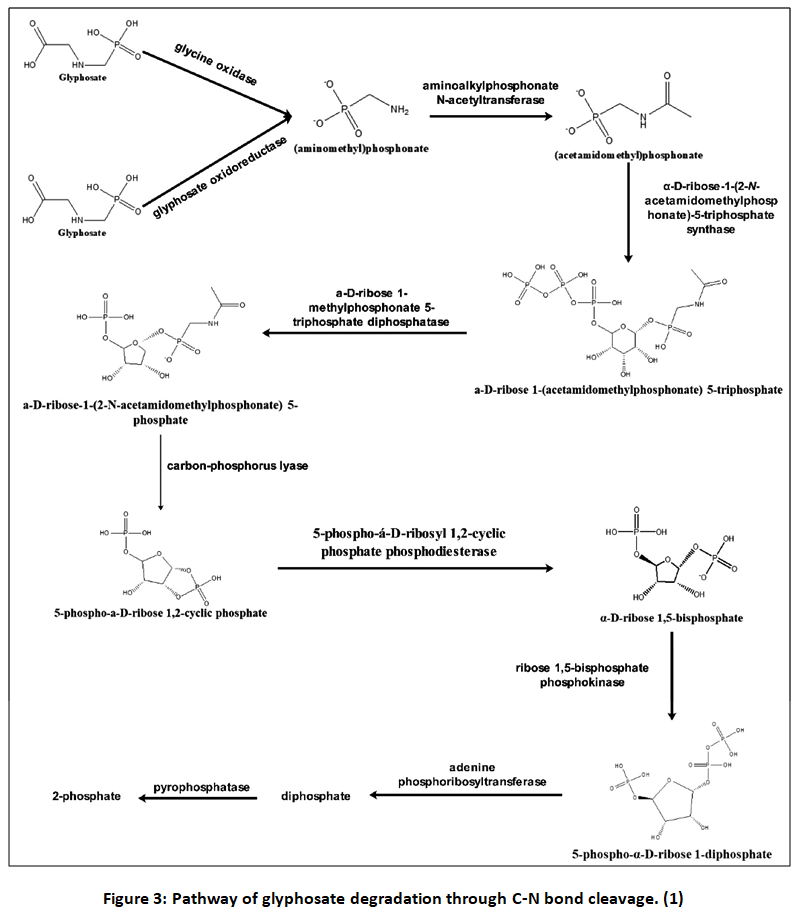 | Figure 3: Pathway of glyphosate degradation through C-N bond cleavage. (1)
|
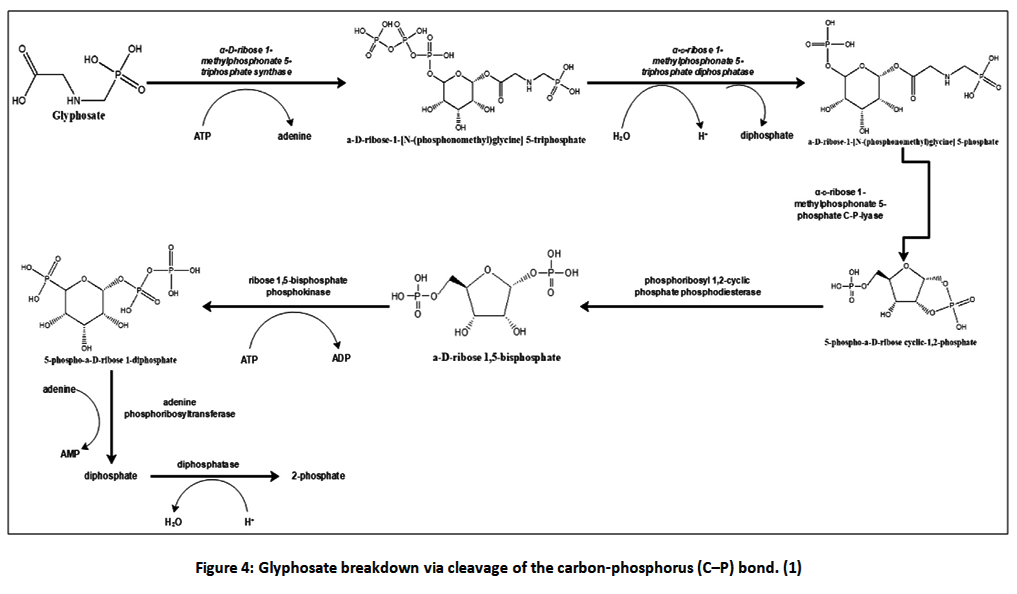 | Figure 4: Glyphosate breakdown via cleavage of the carbon-phosphorus (C–P) bond. (1).
|
Each of the ten distinct enzymes and proteins that make up the carbon-phosphorus C–P lyase complex, namely PhnG through PhnP, is encoded by a different gene. Four enzymes work in coordination within this system: a-D-ribose 1-methylphosphonate-5-phosphate C–P lyase, a-D-ribose phosphoribosyl 1, 2-cyclic phosphate phosphodiesterase, and 1-methylphosphonate 5-triphosphatase. Additionally, 1-methylphosphonate 5-triphosphate synthase plays a crucial role in facilitating the transformation of glyphosate into a-D-ribose 1, 5-bisphosphate. This reaction involves the transfer of the phosphonate group from glyphosate to a ribose unit derived from ATP, producing sarcosine as a secondary product ( Fig. 4).59When adenine phosphoribosyltransferase and diphosphatase are present, a-D-ribose 1, 5-bisphosphate is transformed into 5-phospho-a-D-ribose 1-diphosphate, which is then transformed into inorganic phosphate by the enzyme ribose 1,5-bisphosphate phosphokinase. Some microorganisms, including Achromobacter sp., Nostoc sp., Ochrobactrum anthropic, Sinorhizobium meliloti, Burkholderia pseudomallei, and Agrobacterium tumefaciens, have been found to exploit this route to obtain glyphosate as a source of phosphate.60, 61
Glyphosate Impacts
Although weeds and other vegetation are killed by glyphosate-containing herbicides, other plants, microbes, invertebrates, and animals may also come into contact with the herbicide in a variety of ways. When glyphosate is sprayed, insects or animals may be exposed to it. They may also ingest the treated crop or devour potential glyphosate-exposed prey.62The widespread and often improper application of glyphosate, driven by its low cost and versatility, has intensified soil, water, atmospheric, and non-target species contamination, disrupted soil–water ecological balance and microbial communities, and highlights the urgent need for sustainable alternatives such as crop rotation and biological control.63 Both direct and indirect effects of environmental changes are felt by non-target species. The shikimate pathway is thought to be destroyed by glyphosate in plants, which is its alleged route of action. Glyphosate is said to be safe for humans and mammals since not all species possess the previously indicated mechanism. Glyphosate, impacts man-animal biological mechanism. Due to its extensive use and concentration in edible goods, glyphosate and its negative effects have given rise to considerable worry.64 Rising food demand has intensified reliance on herbicides such as glyphosate to control weeds and sustain crop productivity, yet its extensive use has led to environmental persistence, groundwater contamination, resistant weed species, and risks to non-target organisms.65
Conclusion
Glyphosate use has surged with its patent expiration and the rise of genetically engineered crops resistant to glyphosate. Although its chronic toxicity is low, concerns remain about its acute toxicity, environmental impact, and the effects of additives such as POEA and by-products such as AMPA. Further research is required to address these uncertainties.
Glyphosate and its residues, including AMPA, can alter soil properties, harm microorganisms, and exceed safe levels in water, posing hazards to both the environment and human well-being. Co-formulants in GBHs may amplify toxicity, even when used alone. The potential carcinogenicity of glyphosate and its effects on non-target species highlight the need for rigorous toxicological studies. Regular monitoring is essential for safeguarding human health and the environment. Although glyphosate has significantly contributed to global agricultural productivity through effective weed management, its intensive and widespread application has raised environmental and ecological concerns. The possibility of persistence, bioaccumulation, and harmful effects on nontarget species highlights the necessity of C–P bonds, ongoing monitoring, and the use of sustainable weed control techniques. One frequent degradation process is the breaking of C-N bonds, which results in the creation of AMPA as an intermediate. Thefunctional genes and enzymes involved in glyphosate degradation remains critical. Advancing this knowledge is key to developing effective bioremediation technologies for glyphosate-contaminated environments.
Acknowledgement
The authors thank the University of Mysore for providing support for conducting this research.
Funding Sources
The author(s) received no financial support for the research, authorship, and/or publication of this article.
Conflict of Interest
The authors do not have any conflict of interest.
Data Availability Statement
The datasets generated and/or analyzed during the current study are available from the corresponding author.
Ethics Statement
This research did not involve human participants, animal subjects, or any material that requires ethical approval.
Informed Consent Statement
This study did not involve human participants, and therefore, informed consent was not required.
Permission to reproduce material from other sources
Not Applicable
Authors contribution
Yogesha Paruvaiah: Conceptualization, Investigation, Data Curation, Formal Analysis, Visualization, Writing- original draft, Final approval.
Nerlige Sanna Basappa Raju: Writing- review and editing, Supervision, Project Administration.
Kalya Tulasidas Vadiraj: Conceptualisation, Data Curation, Formal Analysis, Project Administration, Writing- review and editing, Final Approval.
References
- Mohanty, S.S. and A.P. Das, A systematic study on the microbial degradation of glyphosate: a review.Geomicrobiology Journal. 2022. 39(3-5): p. 316-327.
CrossRef - Manservisi, F., Reproductive and developmental toxicity study using Sprague-Dawley rats exposed under various calendars to the weedkiller Glyphosate and commercial formulations Glyphosate-based. 2021.
- Davoren, M.J. and R.H. Schiestl, Glyphosate-based herbicides and cancer risk: a post-IARC decision review of potential mechanisms, policy and avenues of research.Carcinogenesis, 2018. 39(10): p. 1207-1215.
CrossRef - Myers, J.P., et al., Concerns over use of glyphosate-based herbicides and risks associated with exposures: a consensus statement.Environmental Health. 2016. 15(1): p. 19.
CrossRef - Hagner, M., et al., Effects of a glyphosate-based herbicide on soil animal trophic groups and associated ecosystem functioning in a northern agricultural field.Scientific reports. 2019. 9(1): p. 8540.
CrossRef - Vereecken, H., Mobility and leaching of glyphosate: a review.Pest Management Science: formerly Pesticide Science. 2005. 61(12): p. 1139-1151.
CrossRef - Tiwari, B.K., N. Brunton, and C.S. Brennan, Handbook of plant food phytochemicals. 2015: Wiley Online Library.
- Feng, D., A. Soric, and O. Boutin, Treatment technologies and degradation pathways of glyphosate: A critical review.Science of The Total Environment. 2020. 742: p. 140559.
CrossRef - Maggi, F., et al., The global environmental hazard of glyphosate use. Science of the total environment. 2020. 717: p. 137167.
CrossRef - Gimsing, A.L., et al., Chemical and microbiological soil characteristics controlling glyphosate mineralisation in Danish surface soils.Applied Soil Ecology. 2004. 27(3): p. 233-242.
CrossRef - Benbrook, C.M., Trends in glyphosate herbicide use in the United States and globally.Environmental Sciences Europe. 2016. 28: p. 1-15.
CrossRef - Cobb, A.H., Herbicides and plant physiology. John Wiley & Sons;2022.
- Powles, S.B. and Q. Yu, Evolution in action: plants resistant to herbicides.Annual review of plant biology. 2010. 61(1): p. 317-347.
CrossRef - Rashid, B., T. Husnain, and S. Riazuddin, Herbicides and pesticides as potential pollutants: a global problem. Plant adaptation and phytoremediation. 2010: p. 427-447.
CrossRef - de Castro Marcato, A.C., C.P. de Souza, and C.S. Fontanetti, Herbicide 2, 4-D: a review of toxicity on non-target organisms.Water, Air, & Soil Pollution. 2017. 228: p. 1-12.
CrossRef - Cerdeira, A.L. and S.O. Duke, The current status and environmental impacts of glyphosate-resistant crops: a review. Journal of environmental quality. 2006. 35(5): p. 1633-1658.
CrossRef - Tarazona, J.V., et al., Glyphosate toxicity and carcinogenicity: a review of the scientific basis of the European Union assessment and its differences with IARC.Archives of toxicology. 2017. 91: p. 2723-2743.
CrossRef - Annett, R., H.R. Habibi, and A. Hontela, Impact of glyphosate and glyphosate-based herbicides on the freshwater environment.Journal of Applied Toxicology. 2014. 34(5): p. 458-479.
CrossRef - Richmond, M.E., Glyphosate: A review of its global use, environmental impact, and potential health effects on humans and other species.Journal of Environmental Studies and Sciences. 2018. 8: p. 416-434.
CrossRef - Bozzini, E. and E. Bozzini, Open Controversies: Bees’ Health, Glyphosate and Endocrine Disruption.Pesticide Policy and Politics in the European Union: Regulatory Assessment, Implementation and Enforcement. 2017: p. 77-104.
CrossRef - Hayat, R., et al., Soil beneficial bacteria and their role in plant growth promotion: a review.Annals of microbiology. 2010. 60: p. 579-598.
CrossRef - Bhardwaj, D., et al., Biofertilizers function as key player in sustainable agriculture by improving soil fertility, plant tolerance and crop productivity.Microbial cell factories. 2014. 13: p. 1-10.
CrossRef - Gianessi, L.P., The increasing importance of herbicides in worldwide crop production. Pest management science. 2013. 69(10): p. 1099-1105.
CrossRef - Norsworthy, J.K., et al., Reducing the risks of herbicide resistance: best management practices and recommendations.Weed science.2012. 60(SP1): p. 31-62.
CrossRef - Sharma, G., et al., Crop diversification for improved weed management: A review. Agriculture. 2021. 11(5): p. 461.
CrossRef - Nguyen, B.D., Impacts of glyphosate and its formulation on soil microbial function. 2018, Southern Cross University.
- Dill, G.M., et al., Glyphosate: discovery, development, applications, and properties.Glyphosate resistance in crops and weeds: history, development, and management. 2010: p. 1-33.
CrossRef - Bernardes, M.F.F., et al., Impact of pesticides on environmental and human health.Toxicology studies-cells, drugs and environment. 2015: p. 195-233.
CrossRef - Ma, J.F. and E. Takahashi, Soil, fertilizer, and plant silicon research in Japan. 2002: Elsevier.
CrossRef - Gandhi, K., et al., Exposure risk and environmental impacts of glyphosate: Highlights on the toxicity of herbicide co-formulants. Environmental Challenges. 2021. 4: p. 100149.
CrossRef - Damalas, C.A. and I.G. Eleftherohorinos, Pesticide exposure, safety issues, and risk assessment indicators.International journal of environmental research and public health, 2011. 8(5): p. 1402-1419.
CrossRef - Rivas-Garcia, T.; Espinosa-Calderón, A.; Hernández-Vázquez, B.; Schwentesius-Rindermann, R. Overview of Environmental and Health Effects Related to Glyphosate Usage. Sustainability. 2022, 14, 6868.
CrossRef - Organization, W.H., Glyphosate. 1994: World Health Organization.
- Galli, F. S., Mollari, M., Tassinari, V., Alimonti, C., Ubaldi, A., Cuva, C., & Marcoccia, D. (2024). Overview of human health effects related to glyphosate exposure. Frontiers in toxicology. 6, 1474792.
CrossRef - Tudi, M., et al., Exposure routes and health risks associated with pesticide application. Toxics. 2022. 10(6): p. 335.
CrossRef - Singh R, Shukla A, Kaur G, Girdhar M, Malik T, Mohan A. Systemic Analysis of Glyphosate Impact on Environment and Human Health. ACS Omega. 2024 Jan 30;9(6):6165-6183.
CrossRef - Liu, N., et al., Separate and combined effects of glyphosate and copper on growth and antioxidative enzymes in Salvinia natans (L.) All. Science of the Total Environment. 2019. 655: p. 1448-1456.
CrossRef - Palai, M.J.B., Weed management. Centurion University of Technology & Management. Paralakhemundi, Odisha, India, 2010.
- Duke, S.O., et al., Glyphosate effects on plant mineral nutrition, crop rhizosphere microbiota, and plant disease in glyphosate-resistant crops.Journal of agricultural and food chemistry. 2012. 60(42): p. 10375-10397.
CrossRef - Van Bruggen, A.H., et al., Environmental and health effects of the herbicide glyphosate. Science of the total environment. 2018. 616: p. 255-268.
CrossRef - Kremer, R.J. and N.E. Means, Glyphosate and glyphosate-resistant crop interactions with rhizosphere microorganisms. European Journal of Agronomy. 2009. 31(3): p. 153-161.
CrossRef - Bai, S.H. and S.M. Ogbourne, Glyphosate: environmental contamination, toxicity and potential risks to human health via food contamination. Environmental Science and Pollution Research. 2016. 23: p. 18988-19001.
CrossRef - Gill, J.P.K., et al., Glyphosate toxicity for animals.Environmental chemistry letters, 2018. 16: p. 401-426.
CrossRef - Meftaul, I.M., et al., Controversies over human health and ecological impacts of glyphosate: Is it to be banned in modern agriculture? Environmental Pollution. 2020. 263: p. 114372.
CrossRef - Cuhra, M., T. Bøhn, and P. Cuhra, Glyphosate: too much of a good thing?Frontiers in Environmental Science. 2016. 4: p. 28.
CrossRef - Williams, A.L., R.E. Watson, and J.M. DeSesso, Developmental and reproductive outcomes in humans and animals after glyphosate exposure: a critical analysis. Journal of Toxicology and Environmental Health. Part B, 2012. 15(1): p. 39-96.
CrossRef - Serra-Clusellas, A., et al., Glyphosate and AMPA removal from water by solar induced processes using low Fe (III) or Fe (II) concentrations.Environmental Science: Water Research & Technology. 2019. 5(11): p. 1932-1942.
CrossRef - Li, R., et al., Metabolomic and transcriptomic investigation of the mechanism involved in enantioselective toxicity of imazamox in Lemna minor.Journal of Hazardous Materials.2022. 425: p. 127818.
CrossRef - Ojelade, B.S., et al., Review of glyphosate-based herbicide and aminomethylphosphonic acid (AMPA): environmental and health impacts.Applied Sciences. 2022. 12(17): p. 8789.
CrossRef - Hewitt, A.J., Adjuvant use for the management of pesticide drift, leaching and runoff. Pest Management Science. 2024.
CrossRef - Williams, G.M., et al., A review of the carcinogenic potential of glyphosate by four independent expert panels and comparison to the IARC assessment.Critical Reviews in Toxicology. 2016. 46(sup1): p. 3-20.
CrossRef - Solomon, K.R., Glyphosate in the general population and in applicators: a critical review of studies on exposures.Critical Reviews in Toxicology. 2016. 46(sup1): p. 21-27.
CrossRef - Manservisi, F., et al., The Ramazzini Institute 13-week pilot study glyphosate-based herbicides administered at human-equivalent dose to Sprague Dawley rats: effects on development and endocrine system.Environmental Health. 2019. 18: p. 1-16.
CrossRef - Hu, Y., Y. Zhao, and B. Sorohan, Removal of glyphosate from aqueous environment by adsorption using water industrial residual.Desalination. 2011. 271(1-3): p. 150-156.
CrossRef - Van Eerd, L.L., et al., Pesticide metabolism in plants and microorganisms.Weed science. 2003. 51(4): p. 472-495.
CrossRef - Zhan, H., et al., Recent advances in glyphosate biodegradation.Applied microbiology and biotechnology. 2018. 102: p. 5033-5043.
CrossRef - Séguin, J.P., Mechanistic Analysis of the Organophosphonate-Degrading Enzymes PhnY and PhnZ. 2015: Queen's University (Canada).
- Hove-Jensen, B., D.L. Zechel, and B. Jochimsen, Utilization of glyphosate as phosphate source: biochemistry and genetics of bacterial carbon-phosphorus lyase. Microbiology and Molecular Biology Reviews, 2014. 78(1): p. 176-197.
CrossRef - McSorley, F.R., Enzymatic cleavage of carbon-phosphorus bonds. 2014, Queen's University.
- Rugg, S., Characterisation of bacterial phosphonate transporters and their application as glyphosate biosensors. 2018, University of York.
- Masotti, F., et al., Disentangling the regulatory response of Agrobacterium tumefaciens CHLDO to glyphosate for engineering whole-cell phosphonate biosensors. ACS Synthetic Biology, 2024. 13(10): p. 3430-3445.
CrossRef - Singh, S., et al., Herbicide glyphosate: toxicity and microbial degradation. International journal of environmental research and public health, 2020. 17(20): p. 7519.
CrossRef - Marques, J. G. D. C., Veríssimo, K. J. D. S., Fernandes, B. S., Ferreira, S. R. D. M., Montenegro, S. M. G. L., & Motteran, F. (2021). Glyphosate: A review on the current environmental impacts from a Brazilian perspective. Bulletin of Environmental Contamination and Toxicology, 107(3), 385-397.
CrossRef - Caiati, C., et al., The herbicide glyphosate and its apparently controversial effect on human health: An updated clinical perspective. Endocrine, Metabolic & Immune Disorders-Drug Targets (Formerly Current Drug Targets-Immune, Endocrine & Metabolic Disorders), 2020. 20(4): p. 489-505.
CrossRef - L. A. García-Villanueva, J. Rodrigo-Ilarri, V. H. Cuapio-Ortega*, I. Y. Henández-Paniagua, M. E. Rodrigo-Clavero, G. L. Andraca-Ayala, G. Fernández-Villagómez, G. B. Hernández-Cruz and S. Banda-Santamaría. Effects of Glyphosate on the Environment and Human Health. Nature Environment and Pollution Technology. Vol. 23, No. 1, 2024.
CrossRef