
From Conservation to Sustainability: A Bibliometric Mapping of Ecotourism and Nature-Based Tourism Research
Madhu Kumari1
 , Bhushan Singh2
, Suneel Kumar3
, Nisha Devi4
and Geetanjali Sageena5
*
, Bhushan Singh2
, Suneel Kumar3
, Nisha Devi4
and Geetanjali Sageena5
*
1
Department of Tourism and Hospitality Management,
Chandigarh University,
Chandigarh,
Panjab
India
2
Department of Commerce,
Central University of Haryana,
Mahendragarh,
Haryana
India
3
Department of Commerce,
Shaheed Bhagat Singh College,
University of Delhi,
Delhi,
India
4
Department of Commerce,
Shri Ram College of Commerce,
University of Delhi,
Delhi,
India
5
Division of Human Resource Development,
Department of Health Research (DHR),
Ministry of Health and Family Welfare,
Government of India
http://dx.doi.org/10.12944/CWE.21.1.12
Copy the following to cite this article:
Kumari M, Singh B, Kumar S, Devi N, Sageena G. From Conservation to Sustainability: A Bibliometric Mapping of Ecotourism and Nature-Based Tourism Research. Curr World Environ 2026;21(1). DOI:http://dx.doi.org/10.12944/CWE.21.1.12
Copy the following to cite this URL:
Kumari M, Singh B, Kumar S, Devi N, Sageena G. From Conservation to Sustainability: A Bibliometric Mapping of Ecotourism and Nature-Based Tourism Research. Curr World Environ 2026;21(1).
Download article (pdf)
Citation Manager
Publish History

Introduction
Nature-based tourism (NBT) is a significant segment of the global tourism industry, contributing substantially to economic development and conservation efforts worldwide As a result, it has become an important area of academic and policy interest1.
Although several bibliometric studies have examined ecotourism and sustainable tourism, systematic bibliometric analyses that focus specifically on nature-based tourism—particularly in protected areas and within a post-COVID context—remain scarce. Many existing studies use ecotourism and nature-based tourism interchangeably, which limits a clear understanding of recent pandemic-related shifts in research focus, tourism behavior, and spatial patterns. By analyzing long-term patterns in scientific publishing, this study provides a focused overview of how nature-based tourism research has evolved over time. Bibliometric techniques, including the use of VOSviewer, were applied to analyze scientific publications. These methods enhance scientific rigor by offering transparent and repeatable statistical analysis and by summarizing large volumes of data in a systematic way.7,8 They also help identify general research trends and thematic structures9, research standards7,10 and topic-specific developments.7
The primary objective of this research is to provide a comprehensive and fact-based understanding of nature tourism that is based in protected areas. This is in light of the fact that the research gap that has been identified has been identified. Through the incorporation of recent post-COVID literature, the study draws attention to new research directions and shifting trends in nature-based tourism throughout protected areas. When this is done, it strengthens the connection between the analytical methodology of the study and the gaps that are currently present in knowledge. The study aims to advance understanding of the current and future state of NBT in PAs, examine temporal and spatial research patterns, and provide useful insights for researchers, practitioners, and policymakers.
Nature-based tourism (NBT) is a broad concept and is often associated with related terms in tourism research. In recent decades, NBT has attracted increasing scholarly attention. Some authors use NBT and ecotourism interchangeably11, while others describe NBT as a form of adventure, rural, sustainable, or responsible tourism.11,12 However, clear conceptual distinctions are necessary. NBT is generally defined by the natural setting or product type, whereas responsible tourism, ecotourism, and sustainable tourism are defined by their intended social and environmental outcomes13 Due to its broad scope, any tourism activity conducted outside an individual’s usual environment in relatively natural or less modified settings can be considered NBT Thus, NBT14 includes tourism activities where nature and outdoor experiences are the main attraction.15,16
Such activities commonly take place in or near parks, forests, lakes, and rural areas, and include wildlife observation, landscape appreciation, hunting and fishing, volunteer conservation tourism, ecotourism, and outdoor adventure activities such as hiking, rafting, and camping.12,14,17 Within this framework, adventure tourism, outdoor tourism, and responsible tourism can be viewed as subcategories of NBT when they are practiced in natural settings. Ecotourism is a more focused subset of non-recreational tourism (NBT) that prioritizes the well-being of communities, education, and conservation, according to the International Ecotourism Society.18 There are six fundamental components that make up ecotourism, according to Donohoe and Needham. These components are nature-based experiences, conservation, education, sustainability, benefit sharing, and ethical responsibility.This distinction is important, as ecotourism places stronger emphasis on conservation outcomes, while NBT covers a broader range of motivations and practices.
Rural tourism is yet another concept that is considered quite frequently. Agriculture, rural culture, fishing, nature-based products, and sightseeing are all examples of activities that fall under the category of rural tourism, according to the United Nations World Tourism Organization (UNWTO).19
While previous studies have examined sustainable tourism, ecotourism, nature-based sports tourism, protected areas, and climate change impacts,21-24 bibliometric research treating nature-based tourism as an independent and evolving research field remains limited. Given increasing pressure on natural areas and changing tourist behaviorespecially after COVID-19a focused and holistic examination of NBT research is both timely and necessary. From this perspective, the present study explains the importance and characteristics of nature-based tourism using a holistic and gap-oriented approach.
Objective of the study
To examine publication trends in ecotourism and nature-based tourism research.
To map key themes and intellectual structures using bibliometric analysis.
To identify emerging topics and research gaps related to sustainability.
Literature Review
Ecotourism and nature-based tourism research has changed. dramatically over the last few decades, indicating a shift from conservation-focused methods to wider sustainability-oriented frameworks. Early research focused mostly on environmental preservation, biodiversity conservation, and protected area management.1,2 However; subsequent research highlighted the limitations of purely ecological perspectives, and stressed the importance of social and economic dimensions, particularly community participation and equitable benefit sharing.3,10 More recent studies, especially those published after 2020, further integrate governance mechanisms, climate change adaptation, resilience thinking, and links to the Sustainable Development Goals (SDGs), reflecting contemporary global challenges and policy priorities. This indicates a holistic and interdisciplinary research trajectory.
Ecotourism and Nature-Based Tourism
Nature plays a significant part in nature-based travel.11 Because nature is essential to maintaining people's physical, mental, and emotional well-being and is a very basic human need. Because it provides energy, air, water, and food, nature is an essential support system for human health. It also improves quality of life by offering inspiration, places to exercise and socialize, and protection from the stresses of the modern world. Finally, nature conserves by mitigating climate change and having dynamic systems that shield people from extreme events.20 Ecotourism and green tourism are other names for nature-based tourism11 However, nature-based tourism is not ecotourism, Wyman and Stein25 Erdogan
The Importance and Effects of Nature-Based Tourism
Nature-based touristJob & Paesler3, attractions generate a substantial amount of revenue for the host communities. According to research published in the literature, nature-based tourism is important for sustainable development.4,23,29 In low-income nations, nature-based tourism may boost regional economies, lessen poverty, and aid in the development of rural regions.3 Nature-based tourism can help countries achieve their development goals, boost biodiversity benefitting local communities through conservation, creating jobs, diversifying and stimulating rural economies investment and economic activity in and around protected areas.19 These tour nature-based tourists inevitably create environmental damage as well as roads, tracks and footpaths effects such as trampling of vegetation, soil erosion and spread of resistant species such as weeds.21 Recent studies increasingly highlight the need for adaptive management strategies to balance conservation and tourism growth, particularly in the context of rising visitor numbers following the COVID-19 pandemic. Because protected areas can promote economic growth through sustainable helping prevent biodiversity loss by supporting tourism and conservation. In this reference, Fredman et al.,31 emphasized the importance of supporting nature-based tourism through sustainable management of natural resources, nature conservation, public infrastructure and open access policies. Post-2020 studies increasingly focus on climate vulnerability, resilience, and adaptation in nature-based tourism. In literature, studies are ongoing on the impacts of climate change on nature-based tourism.21,22,31 This is because, according to Dubey and Namo, nature tourism centers are particularly vulnerable to impacts climate change and weather events such as heat waves, wildfires, droughts, floods and extreme frosts.
Bibliometric Analyses Related to Nature-Based Tourism
Many studies in the tourism literature focus on examining the impacts of climate change on protected areas and visitor behavior. Font-Barnett and Nel-Lo Andreu,29 conducted a bibliographic analysis of defining tourism, well-being and nature, it was said that engagement with nature will promote social well-being, protected areas are the perfect places to provide this well-being and this can be achieved through tourism. Guntoro et al.,34 to determine potential opportunities for sustainable sports tourism development, Papua examines nature-based tourism and activity-based sports tourism in relation to government policies and concluded that local governments should be involved in nature-based sports tourism development and conservation efforts. More recent bibliometric studies (2020–2025) further demonstrate a shift toward themes such as community-based tourism, governance, resilience, and post-COVID recovery, reflecting the evolving priorities of the field.
Bibliographic analysis has emerged as a valuable method for synthesizing the rapidly growing body of literature on ecotourism and nature-based tourism. By using quantitative methods such as citation analysis, co-authorship networks, and keyword co-occurrence mapping, bibliometric studies help reveal the intellectual structure, key themes, and collaboration patterns within a research field.7 Current bibliographic research reveals that publications have.steadily increased since the early 2000s, with considerable contributions from .biodiversity-rich regions such as Asia, Latin America, and Africa. Major publications, such as the Journal of Sustainable Tourism, Tourism Management, and Annals of Tourism Research, have played important roles in defining academic debates and furthering, research in the sector. Keyword analysis reveals a distinct shift from conservation-focused phrases ("protected areas," "biodiversity") to sustainability-oriented ideas like "community-based tourism," "sustainable development," "resilience," and "governance." This empirical data lends credence to the claim that ecotourism and nature-based tourism research has undergone a paradigm shift toward sustainability.
Materials and Methods
Bibliometric analysis
A bibliographic review is a kind of systematic research review that uses a collection of papers to assess pertinent bibliographic data rather than research findings from studies.7 This review is made possible by bibliographic software. Unlike meta-analysis or integrative reviews, which synthesize empirical findings, bibliographic reviews focus on publication patterns, authorship, collaboration networks, and thematic evolution of a research field. How to handle and examine more papers use integrative review, scoping, and meta-analysis techniques as much as you can. However, given the large volume of publications and the exploratory nature of this study, a bibliographic review was considered the most appropriate approach to map the intellectual structure of nature-based tourism research.
The Scopus database was chosen for the review. According to Falagas et al.,10 and Mongeon P & Paul-Hus A,35 Scopus offers thorough and searchable sources for reviews in the social sciences. Additionally, Scopus offers the ability to export bibliographies. Another reason for selecting Scopus is its wide journal coverage, standardized indexing system, and compatibility with bibliometric analysis software such as VOSviewer. Bibliographic reviews are used to provide information on documents and data.A keyword-based search approach was used in this evaluation. Five keys were used in the initial Scopus search terms: nature-based tourism, ecotourism, sustainability, conservation, and natural resource.TITLE-ABS-KEY (“Nature based tourism”) OR TITLE-ABS-KEY (“Ecotourism”) OR TITLE-ABS-KEY (“Sustainability”) AND TITLE-ABS-KEY (“Conservation”) OR TITLE-ABS-KEY (“Natural Resource”).The search was conducted within the title, abstract, and keyword fields to ensure both relevance and comprehensive coverage of the topic. There were 1200 articles found in the first search (Figure 1).
According to the literature (e.g., Ramos-Rodríguez and Ruíz-Navarro)36, the Scopus filter was used to select just “articles and reviews” because of their consistent peer-review process. Conference papers, book chapters, editorials, notes, and short communications were excluded due to their limited methodological transparency and inconsistent review standards. The authors were able to locate pertinent material for the review since it concentrated on English-language publications. Non-English publications were excluded to avoid misinterpretation and ensure consistency in content analysis. Among the items that were eliminated were 457 that did not fall under the category of “reviews or articles,” and 177 that were not written in English. Twenty-four articles that were either redundant or unnecessary were found when the remaining list was scanned. After an initial screening of titles and abstracts, duplicate records were discarded, and papers that were not directly focused on protected areas, nature-based tourism, or conservation, related tourism contexts were left out. A final sample of 542 articles, which offers a great blend of analytical depth and diversity of topics, was deemed adequate for bibliometric analysis. Such a number allows for a detailed and accurate identification of the trends in publications, leading authors, collaborations among authors, and main themes of the nature-based tourism topic.
Besides, limiting the data set to only peer, reviewed journal articles within a certain time frame enhances the quality, consistency, and comparability of the analysis, meanwhile, it keeps the data from becoming saturated and noisy due to broad inclusion criteria.Matching the size of the sample used in similar bibliometric studies in tourism and sustainability research the present study was able to obtain strong and meaningful results.The selected time frame (2015, 2025) aims at mirroring the latest evolutions in nature-based tourism research, such as the mounting role of sustainability andChanges in visitor behaviors after COVID.To conduct the research examination of bibliometric indicators such as publication trend, keyword cooccurrence, cooperation between authors, and cluster of themes were identified through VOSviewer software which also allowed the identification of main and emerging research areas. These choices of analyses serve the purpose of making the research process more transparent, repeatable, and analytically richer.
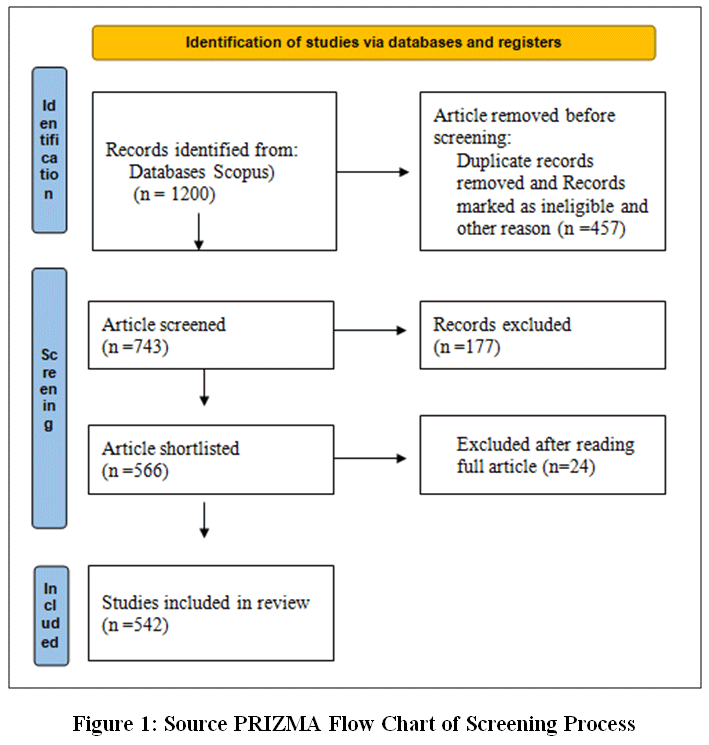 | Figure 1: Source PRIZMA Flow Chart of Screening Process
|
Results
This figure shows the yearly rise in the number of documents and citations between 2015 and 2025, thus pointing out the heightened curiosity among researchers in the area. Thus, a significant incline can be seen in the two variables throughout the period which is indicative of a continuous growth both in the volume of research and the level of academic influence over time. The number of documents shows a gradual increase since 2015 to 2018 and after 2019, the growth was greater, but there were minor declines around 2020 and 2024.This trend demonstrates long-term research activity, even at the times of world upheaval. This indicates an increasing trend of research involvement with insignificant breaks, but citations depict a constantly, and continuously accelerating growth trend throughout the entire period and especially after 2020 which acts as a sign of the increased recognition and influence of published research. Citations hit the peak by 2025, revealing that the latest publications are getting extensively cited.The gap between the growth of document and citation indicates not only the increase in the volume of publications but also the increase in the number of scholars interested in the chosen studies, which means that the quality, relevance, and visibility of research could be improved. This imbalance implies that certain themes and contributions have emerged as particularly influential within the field. Overall, this trend illustrates the development and increasing recognition of the research area in the academic world. Along with this basic definition of the trend, there is also the larger scale theme shifts in literature reflected in the growing number. The increased number of publications and citations since 2019 is aligned with the interest of scholars in issues like sustainability, resilience, management of the protected areas, and recovery of the tourism industry following the COVID pandemic.This change implies a transition of much of the conceptual and more applied, problem-focused, and policy-relevant research.
Another evidence of the increased significance of the academic community of the research that addresses the current global issues, including human and nature interactions, and conservation governance as well as adaptive tourist strategies, is the significant increase in the number of times these articles were referred to after 2020.These themes are well aligned with broader international research and policy agendas, and this could be the reason why they are better cited.Therefore, the trend of expansion of the research activity as reflected in the temporal growth pattern does not only indicate the presence of greater research activity but also indicates the thematic coherence and intellectual convergence in the field towards interdisciplinary and globally relevant research trajectories.
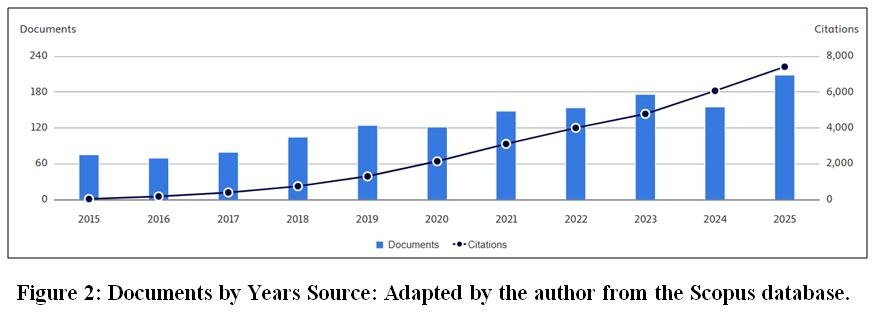 | Figure 2: Documents by Years Source: Adapted by the author from the Scopus database.
|
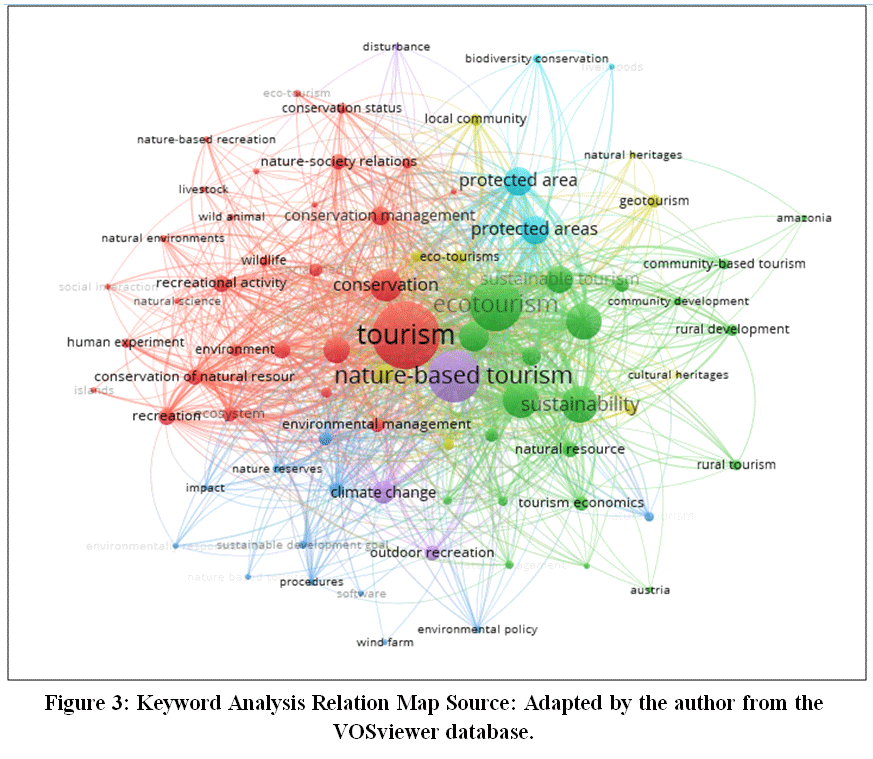 | Figure 3: Keyword Analysis Relation Map Source: Adapted by the author from the VOSviewer database.
|
Figure 3 Co-occurrence of keywords can be used to analyze the emerging themes and areas of research in a particular field since the keywords are very similar to what is actually written in academic articles. Analysis Author Keyword co, occurrence-based analysis maps the level of occurrence of the chosen keywords occurring together in the same publication, thereby facilitating the determination of conceptual associations and prevailing research topics. Among the top ten author keywords used in nature-based tourism research between 2015 and 2025 the predominant one has been an analysis of these keywords. The findings indicate that the most used keyword is nature-based tourism, and it has been at the forefront in the research arena. That is preceded by conservation, sustainability, eco, tourism, and nature-based tourism, which suggests that there is a tremendous focus on environmentally friendly tourism practices.
The high frequency of the keyword "conservation" also highlights the importance of biodiversity protection, conservation areas, and management of natural resources on the ecotourism research. The overwhelming presence of these keywords descriptively confirms that nature-based tourism and ecotourism research are primarily oriented towards sustainability and conservation, which are in fact the main goals of the field. Furthermore, the inclusion of GIS in the title indicates that there is a growing scholarly interest in how geospatial technologies can be used to plan tourism, conserve it, and sustainably manage tourist destinations.
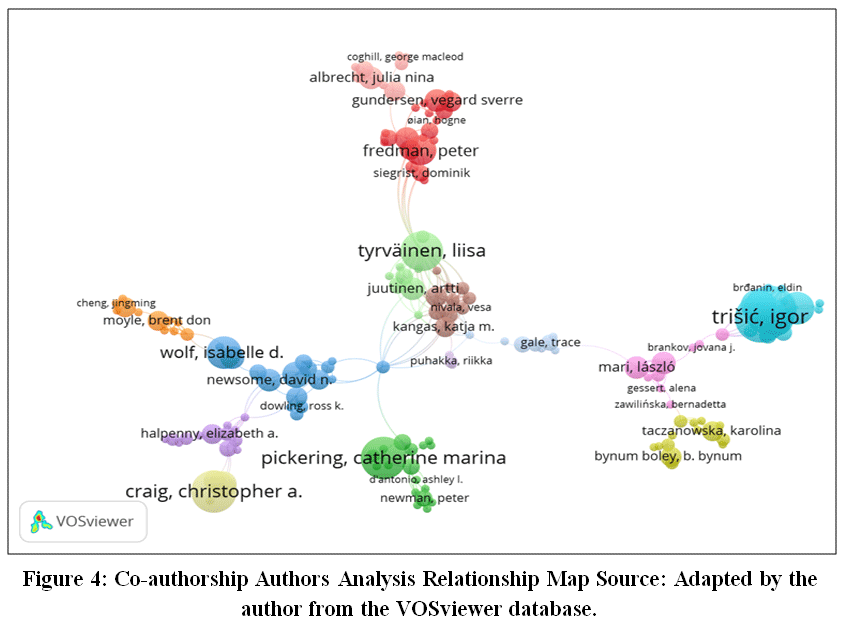 | Figure 4: Co-authorship Authors Analysis Relationship Map Source: Adapted by the author from the VOSviewer database.
|
Figure 4 illustrates the key authors who have made significant contributions to nature-based tourism research as identified through their levels of productivity, impact on the scholarly community, and strength of collaboration. The number of publications is used as an indicator of research output while the number of citations indicates the academic influence and recognition within the field. Authors like lafsdttir, Rannveig and Saarinen, Jarkko are among the most highly cited figures thus showing that their theoretical and empirical contributions to nature-based tourism studies are highly substantial.
Mandic, Ante has been the most productive author by far, that is, delivering the most publications during the observation period, which indicates that he has been highly engaged with the research field over time. Fredman, Peter and Tyravainen, Liisa also have a high total link strength, that is, in terms of how the figures have co, authored papers, their ties are very strong and they are central figures in the collaborative research network. Additionally, authors such as Trizik, Igor and Statik, Snezhana exhibit the highest link strength, indicating close and frequent collaborative relationships. Overall, the data suggest that the field ofnature-based tourism research is shaped by a balance of highly cited scholars and well-connected researchers who play important roles in knowledge production and dissemination.
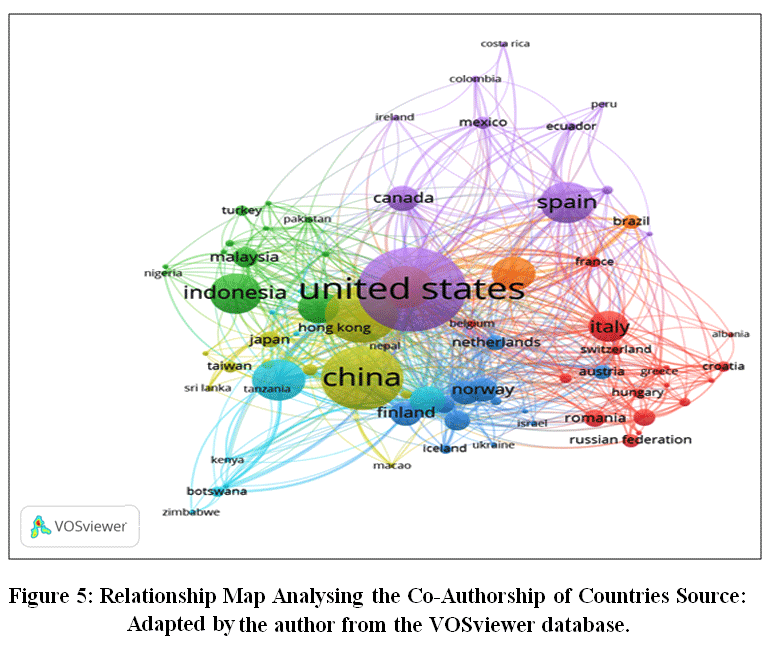 | Figure 5: Relationship Map Analysing the Co-Authorship of Countries Source: Adapted by the author from the VOSviewer database.
|
The VOSviewer country.collaboration network illustrates nature-based tourism research by depicting international research linkages and publication activity. Each node represents a country; larger nodes indicate higher research output, while connecting lines reflect the strength of collaborative relationships between countries. Countries such as the United States, China, Australia, Spain, Germany, and Italy appear as central hubs within the network, highlighting their leading role in knowledge. production and global research collaboration. Stronger linkages among European countries indicate well-established regional cooperation, while increasing connections among India, Malaysia, South Africa, and Latin American countries suggest the growing engagement of emerging research regions. The color gradient (2020–2025) indicates a recent increase in research contributions, particularly from several Asian and developing countries, reflecting the expanding global scope of nature-based tourism studies. Overall, the network descriptively demonstrates that nature-based tourism research is highly internationalized, with cross-country collaboration supporting knowledge exchange, comparative research, and the development of globally relevant sustainability- and conservation-focused tourism studies. Figure 5 presents the country collaboration network, and the co-authorship analysis of the top ten contributing countries is summarized in Table 1.
Table 1: Co-Authorship Analysis of Countries (Top 10)
Country | Documents | Citations | Total link strength |
United States | 546 | 17239 | 564 |
Australia | 339 | 9632 | 312 |
Norway | 159 | 3606 | 184 |
South Africa | 230 | 4445 | 196 |
United Kingdom | 310 | 9426 | 427 |
China | 484 | 9069 | 290 |
Finland | 127 | 4248 | 159 |
Canada | 147 | 3373 | 154 |
Sweden | 129 | 2354 | 71 |
New Zealand | 99 | 2236 | 132 |
Source: Adapted by the author from the VOSviewer database.
Discussion
Discussion bibliometric review of nature-based tourism reveals significant contributions from both developed and developing nations. The twentieth century saw the start of scientific output in the field of nature-based tourism, and as interest in this field has grown, so has the year's growth. According to the report, studies on nature-based tourism have surfaced and are advancing in a number of academic fields at once. From 2015 to 2018, the number of publications has grown annually (Figure 1), however this increase has been gradual. Since 2015, there has been an increase in citations, and this trend is expected to continue in the upcoming years (Figure 1), Indicating growing academic recognition and relevance of nature-based tourism research within sustainability-oriented scholarship.The advancement of nature-based tourism research during this period was impacted by numerous publications. In response to new research difficulties related to nature-based tourism, scholars extend earlier study fields. They focused on community engagement and sustainability and formed worldwide partnerships for nature-related research.This shift reflects a broader policy-oriented concern with inclusive development, local participation, and long-term environmental stewardship, In order to find possible sustainable sites for ecotourism development and conservation, several researchers have recently employed recently developed research techniques including GIS and remote sensing. This study demonstrates the involvement of several organizations and nations in ecotourism, sustainability, conservation, and nature-based tourism,demonstrating the growing integration of scientific tools into evidence-based planning and policy decision-making.The list of the top twenty most influential .nations has begun to include a number of .developing nations, including the United States, China, Australia, Spain, Germany, Italy, and others.The increasing presence of developing countries signals a diversification of knowledge production and suggests greater relevance of NBT research for regions facing sustainability and livelihood challenges. The representation of other emerging nations in the field of nature-based tourism research is also anticipated to grow. The study also revealed that the United States, China and Australia are the most influential three institutions. Most of the popular authors are of Chinese and Latin American origin. The main authors of the most cited papers, however, are connected with the American institutions. This trend demonstrates unequal impacts of research in the world, which can have consequences of whose views become dominant sustainability and conservation discourses.However, the tendency towards publication remains and Asian and African ecotourism has grown. A keyword co-occurrence analysis was conducted in order to have a deeper understanding of the developing field of ecotourism. The analysis of the keywords of the authors indicated that the most prominent ones were the nature-based tourism and the sustainable who was supported by the analysis of the most frequently mentioned publications.The emphasis has recently changed to natural based tourist management that encompasses sustainable ecotourism.The trend represents a growing policy relevance, where excellent management systems are necessary in order to strike a balance between tourism development and conservation.Furthermore, a management will inevitably have an impact on others due to the intricate link between studies and society and the environment. Consequently, it is critical to investigate the way in which NBT can be integrated into the real implementation and the way in which the best practice in management can be achieved. As a result, conservation and sustainable ecotourism management will continue to be major issues in the future. Moreover, an overview of some articles reveals that NBT research has not only increased but also developed in tandem with other fields. Bibliographic coupling analysis revealed the existence of literature with interrelated study objectives and themes. Studies of the effect of NBT on locals, tourists and conservation were necessary. These results highlight the necessity of empirical evidence in supporting policy frameworks to balance the economic gains with environmental conservation and social justice. Also, several studies dealt with the theoretical basis, conceptual aspects, and constructing the framework of ecotourism. The future holds more research studies to be carried out due to the increased importance of safeguarding natural ecosystems. Be mindful of eco-tourism policies, rules and laws.Assessment of the environmental effects and effectiveness of policies related to tourism is the key to meaningful involvement of the community and sustainable management of the resources.The impact of tourism on the environment confirming this is more important in ensuring that the locals are involved. This highlights the significance of future studies that concentrate on offering empirical data about the results of different policies created at the national and worldwide levels. NBT studies will use remote sensing complemented by geographical information systems in the future to enable operations of online monitoring. To facilitate policy learning and exchange of knowledge between researchers and practitioners, in order to conduct comparative research in future, a common platform needs to be developed such that academics and NBT practitioners of other countries can share their experiences and approaches.
Theoretical Implications
The keyword analysis reveals that the term “climate change” is used most frequently. It may be concluded that nature-based tourism will be negatively impacted by climate change given the literature's studies on the subject. Depending on the kind of nature-based tourism, this impact may change. For example, Moen and Fredman
The keyword analysis reveals that the term “climate change” is used most frequently. It may be concluded that nature-based tourism will be negatively impacted by climate change given the literature's studies on the subject. Depending on the kind of nature-based tourism, this impact may change. For example, Moen and Fredman31 looked into how climate change affected Alpine skiing in Sweden and found that winter tourism and ski resorts were negatively impacted by shorter winters, higher temperatures, and more precipitation. They also found that future climate change could have a major negative impact on the economic effects of this kind of tourism. From this vantage point, it is advised that scholars and researchers create ideas for mitigating the consequences of climate change based on the sort of nature-based tourism that a place offers. Because nature-based tourist goods are diverse, they vary from destination geography to climatic features. The study's findings imply that international collaboration is crucial in this situation37 Furthermore, it may be inferred that sustainability should be given priority, especially in nature-based tourism, keeping in mind the environmental effect of tourism, given the prevalence of the phrases “tourism development” and “protected areas.” When creating nature-based sports tourism, Guntoro et al.,34 also stress the significance of protecting the environment and taking cultural traits and activity types into account. The majority of research on nature-based tourism is found in wealthy nations, according to the examination of co-authorship and cited countries. In this context, it is possible to look at the kinds of nature-based tourism that exist in various nations as well as the kinds of systems and activities they have.
Practical Implications
According to research published in the literature, nature-based tourism promotes regional development. Devkota38 claim that nature-based tourism in protected areas can have a positive social and economic impact on the local community; research may be done to promote nature-based tourism, particularly in rural and protected regions. But the most crucial thing to think about is to conduct activities and practices without endangering the environment. Furthermore, national parks, ecotourism, protected areas, sustainable tourism, conservation, outdoor recreation, and sustainability were shown to be the most popular terms. However, because nature-based tourism has an economic return and a tight relationship with nature, it is crucial to plan and manage it within the framework of sustainability standards, as the term implies. The views and recommendations of the destination's tourism stakeholders should be taken into account while organizing nature-based tourism events and activities. It is crucial to design in a way that will not harm the physical and social environment, particularly the natural world. It is advised that local governments and tourist planners take this into consideration. Supervision of tourist enterprises and professionals involved in nature-based tourism activities is very crucial, especially in protected regions. According to Köroglu and Karaman,39 the primary factors that upset the natural equilibrium include the world's population growth, the issue of irregular and fast urbanization, pollution of wetlands, excessive and uncontrolled use of pesticides, excessive use of non-renewable resources, pollution from forest fires, and nature-based tourism products that, when used improperly or excessively, can degrade the air, soil, plants, water, and living things that inhabit them. In this sense, it is crucial that nature-based tourism be conducted in a regulated manner since several things impact the natural balance and nature-based tourist activities are either directly or indirectly related to numerous elements. These bibliometric trends provide useful guidance for environmental managers and policymakers by highlighting priority areas such as protected areas, sustainability, and conservation, which can inform the development of stricter tourism policies, environmental regulations, and carrying capacity limits. From a site management perspective, the trends emphasize the need for regular monitoring of tourist activities, enforcement of sustainability guidelines, and training of tourism operators to reduce environmental impacts. From a community engagement perspective, the strong focus on social and economic outcomes suggests that local communities should be actively involved in planning, decision-making, and benefit-sharing processes, which can support livelihoods while encouraging long-term conservation and responsible nature-based tourism practices.
Limitations and future directions
Bibliometric analysis was used in this study to look at papers in the literature on nature-based tourism. Certain analysis might be performed in this situation (Table 1). Furthermore, only English-language papers from the Scopus database were examined using certain standards. This study has added to the body of literature in this area as it seeks to offer a comprehensive viewpoint to research on nature-based tourism. Future research, however, may examine the relationship between nature-based tourism and other associated ideas. Furthermore, research on nature-based tourism has been found to be mostly carried out in industrialized nations. It is possible to investigate why it is mostly addressed in industrialized nations in this context.
Conclusion
A growing area of study may be studied in a variety of ways, but bibliographies offer several advantages that can greatly aid in comprehending the dynamics and traits of a rising scientific research farm. Ecotourism, sustainable tourism, and nature-based tourism (NBT) have all seen tremendous growth. Consistent growth patterns across time are shown by the identification of three separate phases: foundational, consolidation, and maturation- which illustrate the systematic evolution of the field and its increasing academic relevance. Exponential growth was observed in Growing interest is shown by the NBT literature, particularly throughout the periods of consolidation and maturity. Involvement of the academic community with the subject NBT is in line with popular trends in scientific publication, despite certain formal discrepancies between it and general tourism literature, such as document formats and open access publishing in general. With a significant contribution from Spanish, and Chinese publications,highlighting the global dissemination and internationalization of nature-based tourism research.The literature is somewhat more likely to be published in. English, demonstrating worldwide interest and engagement in the. dissemination of relevant research. The literature. shows notable subject-area distinctions from. general tourist literature, with a greater. focus on biological, agricultural, and environmental sciences. Papers are categorized into more scientific fields than general tourist literature, demonstrating the interdisciplinary nature of nature-based tourism and its relevance to sustainability science. While there are several ways to investigate a burgeoning area of study, bibliographies provide some advantages that can greatly aid in. comprehending the dynamics, and features of an emerging scientific research topic. Additionally, the survey found that theme. groupings had grown significantly over the previous time; literature on nature-based tourism shows that the industry is still expanding and diversifying. NBT is a prominent author of travel literature, particularly on. subjects pertaining to sustainability, and environmental preservation. While China demonstrates proficiency in tourist management, and nature-based tourism, the United States has a significant focus on sustainable development and ecology-related themes. Latin America has a strong presence in sustainable development issues and is strongly associated with the United States. These regional research patterns reflect differing policy priorities and environmental contexts, offering valuable insights for comparative research and international collaboration. From a practical perspective, these findings have important implications for environmental sustainability and tourism governance. The increasing focus on conservation, sustainability, and management-oriented themes underscores the need for evidence-based policy frameworks that balance tourism development with ecosystem protection and community well-being. Future research should place greater emphasis on evaluating the effectiveness of ecotourism policies, regulatory instruments, and governance mechanisms across different regional contexts. Additionally, the integration of advanced tools such as GIS and remote sensing presents promising opportunities for monitoring, planning, and adaptive management in nature-based tourism destinations.Overall, the bibliometric evidence supports the conclusion that nature-based tourism is a rapidly evolving, interdisciplinary research domain with growing relevance for sustainability science and policy. Continued collaboration across regions and disciplines will be essential to advancing research, informing governance strategies, and promoting environmentally responsible tourism development in the future.
Acknowledgement
The author(s) gratefully acknowledge to colleagues and institutions for their academic support and access to relevant resources.
AI Acknowledgement
The authors acknowledge the use of Artificial Intelligence (AI) tools for language refinement and grammar improvement during the preparation of this manuscript. All scientific content, interpretations, and conclusions remain the sole responsibility of the authors.
Funding Sources
The author(s) received no financial support for the research, authorship, and/or publication of this article.
Conflict of Interest
The authors do not have any conflict of interest.
Data Availability Statement
This statement does not apply to this article.
Ethics Statement
This research did not involve human participants, animal subjects, or any material that requires ethical approval.
Informed Consent Statement
This study did not involve human participants, and therefore, informed consent was not required.
Permission to reproduce material from other sources
Not applicable.
Author Contributions
Madhu Kumari: Conceptualization of the review, literature search and screening, synthesis of findings, and drafting of the original manuscript.
Bhushan Singh: Data curation, methodological support, validation of sources, and contribution to writing and editing of the manuscript.
Suneel Kumar: Development of the review framework, thematic analysis, and critical interpretation of the literature.
Nisha Devi: Assistance in literature selection, reference management, and revision of the manuscript.
Geetanjali Sageena: Critical review of the manuscript, intellectual guidance, and overall supervision.
References
- Weaver D. Ecotourism, John Wiley and sons Australia. Australia; 2001.
- Ceballos-Lascurain H. Tourism, ecotourism, and protected areas. (No Title). 1996.
CrossRef - Job H, Paesler F. Links between nature-based tourism, protected areas, poverty alleviation and crises—The example of Wasini Island (Kenya). Journal of Outdoor Recreation and Tourism. 2013;1:18–28.
CrossRef - Silva S, Silva LF, Vieira A. Protected areas and nature-based tourism: A 30-year bibliometric review. Sustainability. 2023;15(15):11698.
CrossRef - Dube K. Nature-based tourism resources and climate change in southern Africa: Implications for conservation and development sustainability. In: Protected areas and tourism in Southern Africa. Routledge; 2022. p. 161–74.
CrossRef - Stone MT, Stone LS, Nyaupane GP. Theorizing and contextualizing protected areas, tourism and community livelihoods linkages. Journal of Sustainable Tourism. 2022;30(11):2495–509.
CrossRef - Donthu N, Kumar S, Mukherjee D, Pandey N, Lim WM. How to conduct a bibliometric analysis: An overview and guidelines. J Bus Res. 2021;133:285–96.
CrossRef - Zupic I, Cater T. Bibliometric methods in management and organization. Organ Res Methods. 2015;18(3):429–72.
CrossRef - Shasha ZT, Geng Y, Sun H ping, Musakwa W, Sun L. Past, current, and future perspectives on eco-tourism: A bibliometric review between 2001 and 2018. Environmental Science and Pollution Research. 2020;27(19):23514–28.
CrossRef - Falagas ME, Pitsouni EI, Malietzis GA, Pappas G. Comparison of PubMed, Scopus, web of science, and Google scholar: strengths and weaknesses. The FASEB journal. 2008;22(2):338–42.
CrossRef - Luzar EJ, Diagne A, Ecgan C, Henning BR. Profiling the nature-based tourist: A multinomial logit approach. J Travel Res. 1998;37(1):48–55.
CrossRef - Lanfranchi M, Giannetto C, De Pascale A. The Role of Nature-Based Tourism in Generating Multiplying Effects for Socio Economic Development of Rural Areas. Quality-Access to Success. 2014;15(140).
- Margaryan L. Nature as a commercial setting: The case of nature-based tourism providers in Sweden. Current issues in Tourism. 2018;21(16):1893–911.
CrossRef - Bueddefeld J. Exploring nature-based tourism and visitor learning at in situ and ex situ destinations. 2019.
- Çiki S, Akgöz E. Exploring the relationships among nature-based tourists’ subjective well-being, travel motivation and revisit intentions within the scope of self-determination theory. European Journal of Tourism, Hospitality and Recreation. 2025;15(1):91–104.
CrossRef - Nyaupane GP, Morais DB, Graefe AR. Nature tourism constraints: A cross-activity comparison. Ann Tour Res. 2004;31(3):540–55.
CrossRef - Matilainen A, Keskinarkaus S, Törmä H. The economic significance of hunting tourism in east Lapland, Finland. Human Dimensions of Wildlife. 2016;21(3):203–22.
CrossRef - El-Masry MMS. Discursive representation of ecotourism on the international ecotourism society (TIES) homepage: A multi-modal social semiotic framework. International Journal of Society, Culture & Language. 2024;12(1):1–14.
- Tourism UN. Rural tourism. Preuzeto 26 lipnja 2025, s https://www unwto org/ruraltourism. 2023.
- Organization WH. Nature, biodiversity and health: an overview of interconnections. 2021.
- Han JH, Lee MJ, Hwang YS. Tourists’ environmentally responsible behavior in response to climate change and tourist experiences in nature-based tourism. Sustainability. 2016;8(7):644.
CrossRef - Hall CM, Amelung B, Cohen S, Eijgelaar E, Gössling S, Higham J, et al. On climate change skepticism and denial in tourism. Journal of Sustainable Tourism. 2015;23(1):4–25.
CrossRef - Winter PL, Selin S, Cerveny L, Bricker K. Outdoor recreation, nature-based tourism, and sustainability. Sustainability. 2019;12(1):81.
CrossRef - Wolf ID, Croft DB, Green RJ. Nature conservation and nature-based tourism: A paradox? Environments. 2019;6(9):104.
CrossRef - Wyman MS, Stein T V. Modeling social and land-use/land-cover change data to assess drivers of smallholder deforestation in Belize. Applied Geography. 2010;30(3):329–42.
CrossRef - ÇELENK M, ERDOGAN ZY, BATMAN O. THE RELATIONSHIP BETWEEN NATURE TOURISM AND LOCAL PEOPLE: A BIBLIOMETRIC ANALYSIS REVIEW.
- Arnegger J, Woltering M, Job H. Toward a product-based typology for nature-based tourism: a conceptual framework. Journal of sustainable tourism. 2010;18(7):915–28.
CrossRef - Mehmetoglu M. Typologising nature-based tourists by activity—Theoretical and practical implications. Tour Manag. 2007;28(3):651–60.
CrossRef - Font-Barnet A, Nel-lo Andreu M. Research on tourism, well-being, and nature: A bibliometric analysis. Anatolia. 2023;34(2):163–75.
CrossRef - Singh R, Singh VP, Rabby F, Bansal R, Gupta NK. The road to sustainable tourism: Financial mechanisms for green project development. In: Regenerative tourism for social development. IGI Global Scientific Publishing; 2025. p. 235–54.
CrossRef - Moen J, Fredman P. Effects of climate change on alpine skiing in Sweden. Journal of sustainable tourism. 2007;15(4):418–37.
CrossRef - Komendantova N, Neumueller S. Discourses about energy transition in Austrian climate and energy model regions: Turning awareness into action. Energy & Environment. 2020 Dec 8;31(8):1473–97. doi:10.1177/0958305X20907086
CrossRef - Dube K, Nhamo G, Kilungu H, Hambira WL, El-Masry EA, Chikodzi D, et al. Tourism and climate change in Africa: Informing sector responses. Journal of Sustainable Tourism. 2024;32(9):1811–31.
CrossRef - Guntoro TS, Prasetyo Y, Putra MFP, Nurhidayah D, Sinaga E, Yuliana E, et al. Identifying Opportunities for Developing Nature-Based Sport Tourism to Improve Health in Papua: A Bibliometric Analysis of Research Over Ten Years. Physical Education Theory and Methodology. 2024;24(5):799–807.
CrossRef - Mongeon P, Paul-Hus A. The journal coverage of Web of Science and Scopus: a comparative analysis. Scientometrics. 2016;106(1):213–28.
CrossRef - Ramos-Rodríguez A, Ruíz-Navarro J. Changes in the intellectual structure of strategic management research: A bibliometric study of the Strategic Management Journal, 1980–2000. Strategic management journal. 2004;25(10):981–1004.
CrossRef - Guerrero-Moreno MA, Oliveira-Junior JMB. Approaches, trends, and gaps in community-based ecotourism research: a bibliometric analysis of publications between 2002 and 2022. Sustainability. 2024;16(7):2639.
CrossRef - Devkota T. Climate change and its impact on tourism based livelihood in high mountain of Nepal. Journal of Development and Administrative Studies. 2017;25(1–2):11–23.
CrossRef - Köroglu Ö, Karaman S. Dogaya dayali turizm faaliyetlerinin gelisiminde toplum temelli dogal kaynak yönetiminin önemi. Karamanoglu Mehmetbey Üniversitesi Sosyal ve Ekonomik Arastirmalar Dergisi. 2014;2014(1):95–106.
CrossRef