
Environmental Distribution and Occupational Exposure for Aromatic Polycyclic Hydrocarbons within Industrial Regions of Central India: Implications for Human Health Risk
Aayushi Pathak1
 , Neelabh Kashyap2
, Tandesh Lal Chandra3
, Pranjal Yadav4
and Sudhir Yadav5
*
, Neelabh Kashyap2
, Tandesh Lal Chandra3
, Pranjal Yadav4
and Sudhir Yadav5
*
1
Department of Forensic Science,
School of Interdisciplinary Education and Research,
Guru Ghasidas Vishwavidyalaya,
Bilaspur,
Chhattisgarh
India
2
Regional Forensic Science Laboratory,
Bilaspur,
Chhattisgarh
India
3
State Forensic Science Laboratory,
Raipur,
Chhattisgarh
India
4
CSIR–Indian Institute of Toxicology Research (IITR),
Lucknow,
Uttar Pradesh
India
5
Department of Forensic Science,
Guru Ghasidas Vishwavidyalaya,
Bilaspur,
Chhattisgarh
India
http://dx.doi.org/10.12944/CWE.21.1.23
Copy the following to cite this article:
Pathak A, Kashyap N, Chandra T. L, Yadav P, Yadav S. Environmental Distribution and Occupational Exposure for Aromatic Polycyclic Hydrocarbons within Industrial Regions of Central India: Implications for Human Health Risk. Curr World Environ 2026;21(1). DOI:http://dx.doi.org/10.12944/CWE.21.1.23
Copy the following to cite this URL:
Pathak A, Kashyap N, Chandra T. L, Yadav P, Yadav S. Environmental Distribution and Occupational Exposure for Aromatic Polycyclic Hydrocarbons within Industrial Regions of Central India: Implications for Human Health Risk. Curr World Environ 2026;21(1).
Download article (pdf)
Citation Manager
Publish History

Introduction
Aromatic polycyclic compounds constitute persistent the formation of organic contaminants primarily during Unfinished combustion of matter that is organic.1 Major anthropogenic sources include coal-fired thermal power plants, sponge iron industries, vehicular emissions, petroleum refining units and various metallurgical processes.1–3Due to their hydrophobic and lipophilic nature, PAHs strongly adsorb onto soil particles and plant surfaces, facilitating accumulation in terrestrial ecosystems and entry into the human body via inhalation, ingestion and cutaneous exposure pathways.4
Several Polycyclic aromatic hydrocarbons exhibit mutagenic, teratogenic and carcinogenic properties, raising serious environmental and public health concerns.5–9Industrial regions of Central India, particularly Chhattisgarh, are characterized by intensive coal-based thermal power generation and heavy industrial operations, contributing substantially to atmospheric PAH emissions.10–12 However, comprehensive information regarding simultaneous assessment of PAHs in environmental and biological matrices from this region remains limited.
Therefore, the present study intended to quantify concentrations of PAHs present in soil, plant, blood samples obtained from major industrial areas of Central India, examine their spatial distribution, and explore potential relationships between environmental contamination and biological exposure and occupational exposure among industrial workers.
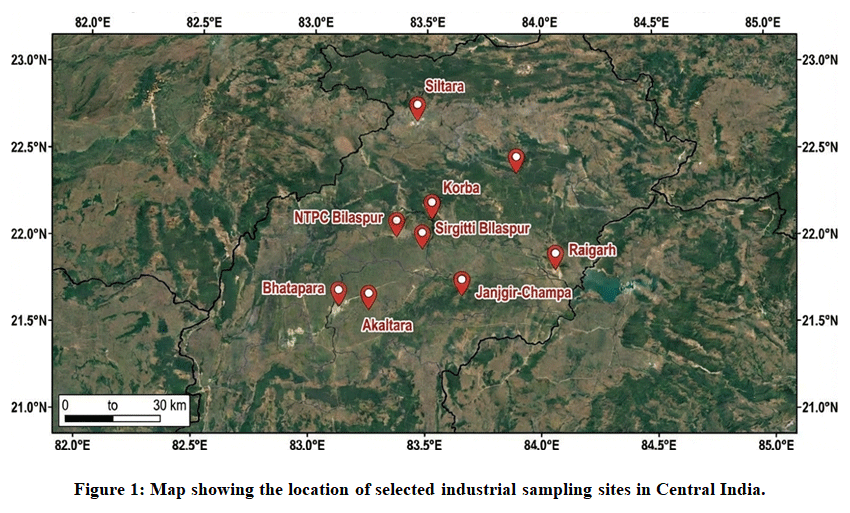 | Figure 1: Map showing the location of selected industrial sampling sites in Central India.
|
Materials and Methods
Research Region and Data Acquisition
Specimen were acquiredfrom several major industrial zones in Chhattisgarh, including Siltara, Korba, NTPC Bilaspur, Janjgir–Champa, Akaltara, Raigarh, and Bhatapara. These areas are largely dominated by industrial activities such as coal-based thermal power generation, sponge iron production, and steel manufacturing units, which are known to contribute significantly to regional emissions of pollutants.13
Surface soil samples were collected using pre-cleaned stainless-steel augers to avoid contamination during sampling. Plant samples were collected from vegetation naturally growing near the selected industrial locations. Blood samples were obtained from volunteers who either resided in these areas or were occupationally exposed to industrial environments. All blood sample collection procedures were carried out after securing informed consent from participants and approval fromInstitutional Ethics Committee. In total, 250 samples comprising soil, plant, and blood matrices were collected for analysis For analysis, 250 samples totalling soil, plant, and blood matrices were gathered.(plant: n = 50, blood: n = 80, soil: n = 120).Blood samplesseparated into two groups for biological evaluation according to occupational and residential characteristics: non-industrial (n = 40) which represented background exposure conditions, and industrial (n = 40) which represented comparatively higher potential exposure. Blood samples were taken from adult volunteers (mean age: 39.29 years; age range: 17–80 years), comprising 52 females (65%) and 28 men (35%) who represented both vocational and residential populations. It is acknowledged as a limitation that the current study did not include information on potential confounding factors, such as dietary intake, smoking behaviours, and other lifestyle characteristics.
Chemicals and Standards
A PAH calibration mixture containing The USEPA has identified sixteen significancePAHs:, acenaphthylene, acenaphthene, fluorene, pyrene, phenanthrene, anthracene, fluoranthenenaphthalene, benzo[a]anthracene, chrysene, benzo[b]fluoranthene, benzo[k]fluoranthene, and benzo[a]pyrene, (TraceCERT®, Supelco; CRM47940, 1 mL, 10 µg/mL each component in acetonitrile) was used for calibration and quantification during analysis. Deuterated compounds including naphthalene-ds, acenaphthene-d10, phenanthrene-d10, fluoranthene-d10, pyrene-d10, chrysene-d12, benzo[a]pyrene-d12, perylene-d12 served as internal standards to monitor extraction efficiency and analytical accuracy.
Analytical- and HPLC-grade solvents, namely hexane, dichloromethane, acetone, and acetonitrile, were employed for extraction and chromatographic analysis. HPLC-grade reagents, including sodium chloride, primary secondary amine, activated silica gel, neutral alumina, anhydrous sodium sulphate, and ultrapure water, were utilized for phase separation, moisture removal, and cleanup of sample extracts prior to instrumental analysis. High-purity acetone and acetonitrile, suitable for high-performance liquid chromatography, were sourced from Chem Super Supply.
Extraction-Purification
Soils and plant exemplars underwent Soxhlet extraction using an n-hexane: dichloromethane solvent mixture for 16 h. The extracts were subsequently concentrated and purified by silica gel column chromatography.14-16 Blood samples were processed via liquid–liquid extraction, centrifugation, and solvent concentration.5,9,17
Analysis of Tandem Mass Spectrometry and Gas Chromatography
PAH quantification is conducted employing a Shimadzu GCMS-TQ2030 triple quadrupole gas chromatograph–tandem mass spectrometer employing electron ionization (70 eV). Chromatographic.The process of segregation occurred onRxi-5Sil MS open-tubular section, section (coatingwidth: 30 m. × 0.25 mm. × 0.25 µm.). 99.999 percent pure helium measuredemployed as a transport gas(1.0 mL per minute). Temperature program for oven beganaccording to 60 degree Celsius, increased up to 280 degree Celsius at a pace of 10 degree Celsius per minute and maintained isothermally for 10 minutes.17–19 Analyte identification relied on retention time matching and comparison against the NIST spectral library. Quantitation was performed using external calibration curves, with quality control ensured through analysis of blanks, duplicates, and calibration verification standards.
High-Performance Liquid Chromatography Analysis
Serum samples underwent quantitative analysis via an ultra- HPLC system integrated coupled with a photodiode array detector. The system comprised solvent delivery pumps, an autosampler, a column oven, the detector, and a data acquisition unit. Separation using chromatography was accomplished using a Hypersil Gold C18 column employing an isocratic acetonitrile: water mobile phase, thereby enabling sensitive analyte detection at 254 nm.20,21
Statistical Analyses
Statistical analyses were conducted to examine relationships between PAH concentrations and clinical biomarkers. Summary statistics, comprising means, standard deviations, and ranges, were computed for all variables. Pearson’s correlation coefficients were employed to assess associations with soil and plant PAHs, as well as between blood PAH levels and renal, hepatic, and haematological parameters. Linear regression analysis was utilised to assess associations among variables; however, the findings were interpreted with caution, and no causal relationships were deduced.The value of coefficient of determination(R²),was utilized to describeThe percentage of variance that the model can account for, rather than implying causation.9,22,23The analysis of principal components was used in order toidentify source profiles along with clustering patterns across testing sites and biomarkers. Health risk indicators—such as toxic equivalent concentrations, incremental lifetime cancer risks, and hazard indices—were computed according to USEPA guidelines.6,9,24 All analyses were conducted using R statistical software within RStudio.
Analytical Method Validation and Quality Control
The analytical technique was comprehensively validated to verify its reliability, accuracy, and precision for PAH quantification.6,25 Multi-level calibration curves were generated using external standards over a suitable concentration range, exhibiting strong linearity with correlation coefficients (r > 0.995) across all target PAHs. LOD as well as LOQ both were establisheddetermined using signalnoise ratios of 10:1 and 3:1, yielding LOD values between 0.0005–0.002 ppm and LOQ values of 0.002–0.005 ppm, compound-dependent. Recovery experiments involved matrix spiking of blank soil, plant, and blood samples with known PAH levels, producing mean recoveries of 82–108% that verified extraction efficacy.8,9,26,27 Precision was assessed via replicate analyses, with relative standard deviations <10%, attesting to excellent reproducibility. Quality control incorporated procedural blanks, duplicates, and routine calibration verification to mitigate contamination and instrumental drift.
Health Hazard Assessment of PAHs
The human health risks arising from exposure to soil-bound PAHs were assessed using toxic equivalent concentrations,28–30 incremental lifetime cancer risks,31–33 and hazard index methods.10 These established approaches are routinely employed to evaluate carcinogenic and non-carcinogenic risks linked to PAH contamination in environmental media.
Toxic Equivalent Concentration
The carcinogenic potential of individual PAHs was quantified as Equivalent amounts of benzo[a]pyrene through this application out of toxic equivalency factors,Risk assessment calculations were performed under standard exposure assumptions, and the results were interpreted cautiously without implying direct causality. in accordance with recommendations from the World Health Organization and US Environmental Protection Agency.
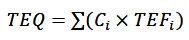
where Cidenotes the measured number of individual PAHs as well asTEFi represents the toxic equivalence factor that corresponds to it.
Lifetime Incremental Cancer Risk (ILCR)
In compliance with USEPA risk assessment procedures, the ILCR was calculated to quantify the lifetime likelihood of acquiring cancer from chronic PAH exposure via contaminated soil29,34.In accordance with USEPA risk assessment guidelines, where CDI stands for chronic daily intake and together with CSF for the slope factor for cancer for carcinogenic PAHs, ILCR, or incremental lifetime cancer risk, iscalculated in order to assess potential lifetime probability of cancer development associated with chronic exposure to PAHs through contaminated environmental media. Due to the lack of site-specific individual exposure data, the parameters utilized for CDI estimation—body weight, average time, frequency and length of exposure, and ingestion rate—were taken from standard USEPA exposure factors. CSF values were derived from pertinent literature and well-established USEPA databases.29,34

The ILCR providesa prediction of the risk over a lifetime that a person will get cancer due to exposure. Interpretation of ILCR values followed standard regulatory criteria:
ILCR <10-6 - negligible risk
10-6– 10-4 - acceptable risk range
ILCR >10- 4 - elevated cancer risk
Non-Carcinogenic-Risk-Assessment
Non-carcinogenic risks were assessed using hazard quotient and hazard index metrics.

where Cmeasured represents PAH concentration obtained from soil or biomonitoring analysis and Creferencedenotes the corresponding permissible or screening value.
Regulatory Benchmark Comparison
Derived TEQ, ILCR, and HI values were compared with regulatory thresholds and acceptable risk levels established by agencies such as USEPA, WHO, OSHA, and IARC to evaluate potential health risks associated with PAH exposure, without implying direct causality.
Results and Discussion
Spatial Patterns of PAHs in Soil
Soil samples, as detailed in Table 1, displayed markedly higher PAH concentrations compared to those in plant and blood matrices,35 thereby establishing soil as the principal environmental reservoir.36 As illustrated in Figure 2, elevated levels of high molecular weight PAHs were particularly evident in Siltara and Korba, attributable to intensive industrial activities associated with combustion processes.24 Furthermore, the predominance of low molecular weight PAHs in these areas suggests possible recent inputs from incomplete combustion sources, however source attribution cannot be conclusively established based solely on concentration data in line with previous studies on industrial emissions.37
Table 1: Mean levels of Aromatic Polycyclic hydrocarbons in soil samples among selected industrial regions of Central India ( in ppm; µg kg-1).
Site | Nap. | Acy. | Flu. | Phe. | Ant. | Flt. | Pyr. | BbF. | BkF. | BjF. | BeP. | Btri. | BbFlu. |
Sil | 75.91 | 34.11 | 16.14 | 58.56 | 46.93 | 29.57 | 79.38 | 18.51 | 4.29 | 17.35 | 18.14 | 23.89 | - |
Kor | 395.52 | 10.43 | 46.59 | 35.12 | 1016.97 | 45.88 | 27.15 | - | - | - | 13.01 | - | 40.52 |
NTPC | 26.25 | 16.26 | - | 39.23 | - | - | 39.17 | - | - | - | - | - | - |
Sir | 352.26 | - | - | 17.53 | - | - | 26.77 | - | - | - | - | - | - |
Aka | - | - | - | - | 2056.92 | - | - | - | - | - | - | - | - |
J-C | 390.02 | - | - | - | - | - | 1.84 | - | - | - | - | - | - |
Bha | 66.67 | - | - | 2.71 | - | 35.92 | 7.35 | - | - | - | - | - | - |
Rai | - | - | - | - | - | - | 1.38 | - | - | - | - | - | - |
Abbreviation
Nap: Naphthalene; Acy: Acenaphthylene; Flu: Fluorene;BkF: Benzo[k]fluoranthene;Phe: Phenanthrene; Ant: Anthracene; Flt: Fluoranthene; Pyr: Pyrene; BbF: Benzo[b]fluoranthene; BjF: Benzo[j]fluoranthene; BeP: Benzo[e]pyrene; Btri: Benzo[a]triphenylene; BbFlu: 11H-Benzofluorene; (-): Not detected SIL – Siltara; KOR – Korba; NTPC – NTPC Bilaspur; SIR – Sirgitti; AKA – Akaltara; JC – Janjgir–Champa; BHA – Bhatapara; RAI – Raigarh.
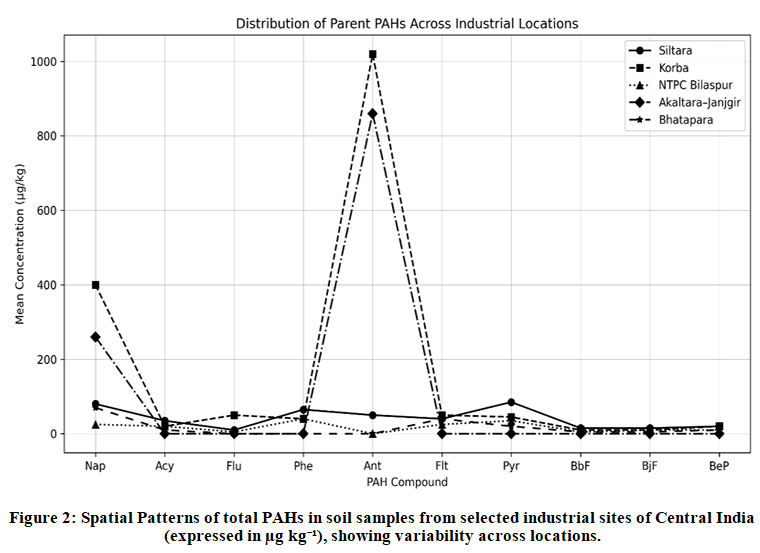 | Figure 2: Spatial Patterns of total PAHs in soil samples from selected industrial sites of Central India (expressed in µg kg-1), showing variability across locations.
|
PAHs in Plant Samples
PAH concentrations in plant samples, as presented in Table 2, were substantially lower than those recorded in the corresponding soil samples, in accordance with contaminant transfer processes mediated by root uptake and atmospheric deposition.38 High-molecular-weight PAHs showed restricted accumulation within plant tissues owing to limited translocation, as evidenced in prior research.38 In contrast, low-molecular-weight PAHs—most notably naphthalene—prevailed, which may attributable to their greater mobility and uptake proficiency in plant matrices.39 The spatial distribution patterns across industrial sites, as illustrated in Figure 3, Elevatedanthracene concentrations were observed in soil samples from AkaltaraJangir–Champa, according to a comparison of soil and plant data. Plant samples also demonstrated a noticeable rise exclusively in Akaltara–Jangir area. This implies that transmission and accumulation might differ depending on the compound.Siltara, on the other hand, regularly displayed the presence of several PAH compounds in both soil and plant matrices, suggesting a more comprehensive contamination profile in contrast to the predominance of a single molecule. Underscoring a possible association and linkage between soil contamination and PAH bioaccumulation in vegetation at targeted locations.
Table 2: Mean levels of Aromatic polycyclic hydrocarbons in plant samples among selected industrial regions of Central India ( in ppm; µg kg-1).
Site | Nap. | Acy. | Flu. | Phe. | Ant. | Flt. | Pyr. | BbF. | BkF. | BjF. | BeP. | Btri. | BbFlu. |
Sil | 12.52 | 96.72 | 44.94 | - | 258.08 | - | 50.23 | - | - | 33.33 | 24.94 | - | - |
Kor | 255.79 | 160.83 | 8.10 | 38.77 | - | 27.59 | - | - | - | - | - | - | - |
NTPC | 65.01 | - | - | 114.79 | - | - | 24.50 | - | - | - | - | - | - |
Aka–Jc | 16.52 | - | - | - | 2586.62 | - | 32.67 | - | - | - | - | - | - |
Bha | - | - | - | 9.95 | - | - | - | - | - | - | - | - | - |
Abbreviation
Nap: Naphthalene; Acy: Acenaphthylene; Flu: Fluorene; Ant: Anthracene; Flt: Fluoranthene;BbF: Benzo[b]fluoranthene;Pyr: Pyrene; BkF: Benzo[k]fluoranthene; BjF: Benzo[j]fluoranthene;Phe: Phenanthrene; BeP: Benzo[e]pyrene; Btri: Benzo[ghi]triphenylene; BbFlu: 11H-Benzo[fluorene]; (-): Not detected SIL – Siltara; KOR – Korba; NTPC – NTPC Bilaspur;AKA–JC – Akaltara–Janjgir; BHA – Bhatapara.
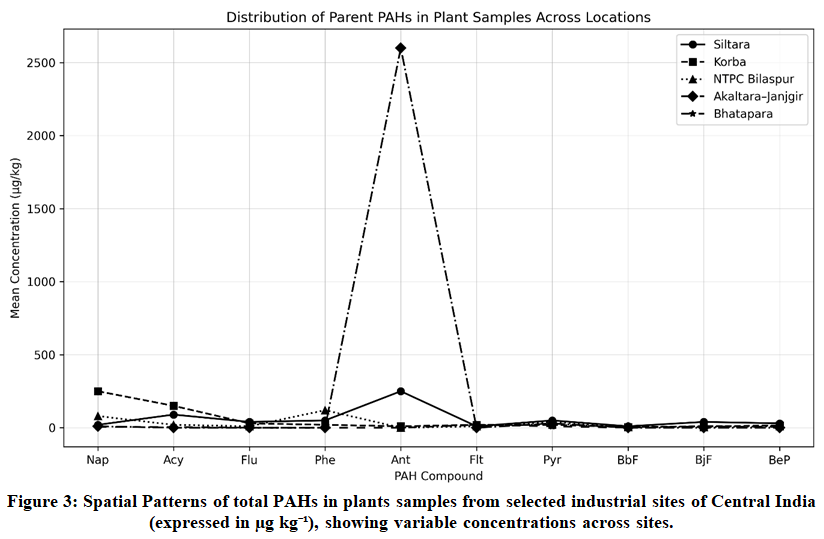 | Figure 3: Spatial Patterns of total PAHs in plants samples from selected industrial sites of Central India (expressed in µg kg-1), showing variable concentrations across sites.
|
Soil–Plant Correlation
Pearson correlation analysis revealed strong positive relationships between soil and plant PAH concentrations for naphthalene (r=0.93) and pyrene (r=0.91), reflectingassociation from soil to vegetation. By contrast, anthracene showed a weak negative correlation (r=-0.28), Moderate positive correlations were toodetectedin the case of fluoranthene (r =0.73) and phenanthrene (r = 0.39), indicating variable relationships across different PAH compounds.
These findings indicate that the distribution of PAHs between soil and plant matrices may vary depending on compound-specific physicochemical properties; however, direct transfer mechanisms cannot be conclusively established based solely on correlation analysis. These observations are consistent with patterns reported in previous studies40–43
Table 3: Pearson correlation coefficients between polycyclic aromatic hydrocarbon concentrations in soil and plant samples across the investigated industrial sites.
Compound | Correlation Coefficient (r) |
Naphthalene | 0.93 |
Phenanthrene | 0.39 |
Anthracene | -0.2 |
Fluoranthene | 0.73 |
Pyrene | 0.91 |
Blood PAHs and Clinical Parameters
Detectable levels of PAHs were identified in blood samples from industrial workers in the exposed group, indicating Potential occupational exposure.44 Quantifiable concentrations of low-molecular-weight PAHs, including naphthalene (1059.74 ± 4624.31), acenaphthylene (95.33 ± 354.6),, and phenanthrene (70.72 ± 11.2), were exclusively observed among exposed workers, while PAH levels in the non-exposed group remained below the limit of detection; no high-molecular-weight PAHs were detected, consistent with findings reported by elsewhere.45–47 Comparative analysis of biomarkers between non-exposed and exposed workers, as presented in Table 4, revealed primarily weak associations between PAH levels and clinical parameters, with the notable exception of haemoglobin as indicated by the statistical analysis,48,49However, these associations do not establish causality and should be interpreted with caution. Nevertheless, the detection of PAHs in blood confirms persistent low-level exposure although background exposure cannot be ruled out.
Table 4: Comparison of biochemical parameters between exposed and non-exposed groups
Parameter | Exposed (Mean ± SD) | Non-exposed (Mean ± SD) | t-value | p-value |
Haemoglobin (g/dL) | 11.92 ± 2.42 | 8.67 ± 3.91 | 3.21 | 0.002 |
Lymphocyte (%) | 28.74 ± 8.11 | 27.84 ± 8.94 | 0.54 | 0.590 |
Eosinophils (%) | 3.79 ± 3.44 | 3.96 ± 3.58 | -0.27 | 0.785 |
Serum Creatinine (mg/dL) | 1.33 ± 1.21 | 1.25 ± 1.08 | 0.34 | 0.736 |
Blood Urea Nitrogen (mg/dL) | 11.35 ± 6.81 | 12.48 ± 8.67 | -0.71 | 0.481 |
Alkaline Phosphatase (U/L) | 113.22 ± 84.71 | 87.66 ± 60.31 | 1.62 | 0.109 |
AST (U/L) | 35.42 ± 51.83 | 42.73 ± 63.94 | -0.56 | 0.578 |
ALT (U/L) | 28.16 ± 33.24 | 33.45 ± 41.87 | -0.63 | 0.530 |
Bilirubin (mg/dL) | 0.73 ± 0.52 | 0.68 ± 0.48 | 0.48 | 0.634 |
Correlation between Polycyclic Aromatic Hydrocarbons and Biochemical Health Indicators
Figure 4 presents the results of the correlation analysis, which elucidates diverse associations between polycyclic aromatic hydrocarbon compounds and biochemical markers pertaining to hepatic, renal, and haematological functions.Pearson correlation coefficients (r) were used to assess linear relationships, and the strength of associations was interpreted based on standard correlation ranges.
Naphthalene exhibited weak correlations with the majority of biochemical parameters. Modest positive correlations were evident with alanine transaminase (ALT) (r = 0.08), bilirubin (r = 0.09), and alkaline phosphatase (ALP) (r = 0.15), whereas blood urea nitrogen (BUN) (r = -0.08), serum creatinine (r = -0.05), uric acid (r =-0.08), urea (r = -0.09), and haemoglobin (r = -0.07). Showed weak negative correlations. These observations indicate limited associations rather than definitive relationships between naphthalene levels and biochemical parameters.
Similarly, acenaphthylene demonstrated generally weak correlations with biochemical indicators. A small positive relationship was observed with phenanthrene (r = 0.12) and haemoglobin (r = 0.06), whereas negative correlations were identified with ALT (r = -0.13), AST (r = -0.09), bilirubin (r = -0.04), BUN (r = -0.10), serum creatinine (r = -0.09), as well as uric acid (r = -0.03), and urea (r = -0.11). These findings indicate that acenaphthylene does not exhibit a strong association with the evaluated biochemical parameters.
In contrast, phenanthrene displayed slightly stronger relationships with some biochemical markers. A moderate negative correlation was observed with naphthalene (r = -0.44) and bilirubin (r = -0.38), and weak inverse associations have been also observed with serum creatinine (r = -0.19) and uric acid (r = -0.27). Weak positive correlations were noted with ALT (r = 0.07) and AST (r= 0.04). In summary, the associations between PAHs and biochemical indicators were predominantly weak, signifying indicating limited and non-significant relationships between PAH concentrations and perturbations in hepatic, renal, and haematological parameters within the investigated cohort. However, these findings do not establish causal relationships and should be interpreted cautiously. Other studies report significant correlations between PAH exposure and adverse health effects, including altered lung function, oxidative stress markers, and inflammatory responses.50
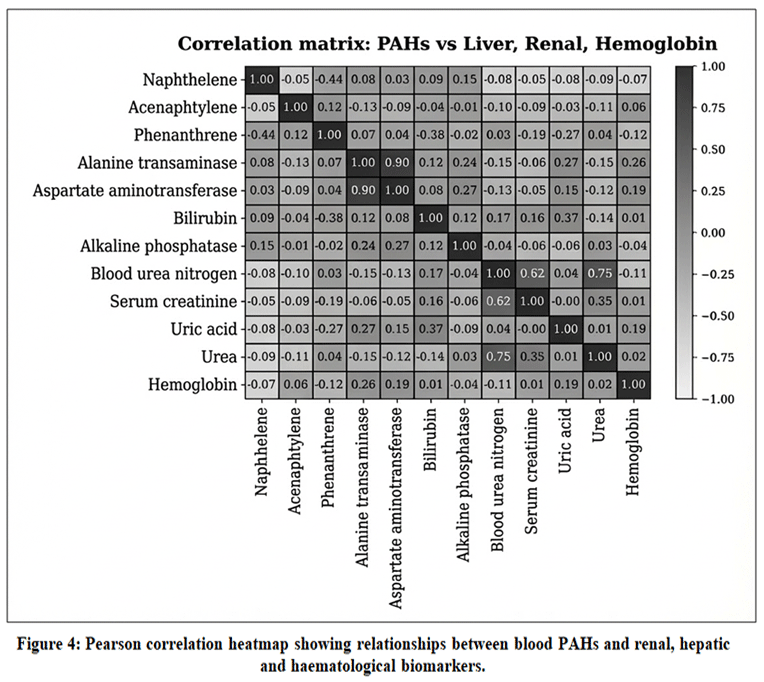 | Figure 4: Pearson correlation heatmap showing relationships between blood PAHs and renal, hepatic and haematological biomarkers.
|
Health Implications and Comparison with Regulatory Exposure Standards
The health risk assessment outcomes, as summarized in the accompanying table, demonstrate that exposure to soil-bound high-molecular-weight PAHs at investigated industrial regions poses varying levels of environmental and human health risks. Siltara recorded the highest toxic equivalent concentration of 1.99 ppm, driven by elevated contributions from carcinogenic PAHs such as benzo-[b]-fluoranthenealong withbenzo-[a]-pyrene. These Aromatic compounds, being characteristically linked to combustion-derived industrial emissions, encompassing thermal power production.10,51 The calculated incremental lifetime cancer risk for Siltara was 1.45 × 10⁻⁶, which slightly exceeds the lower acceptable risk threshold recommended via the USEPA.52 According to USEPA guidelines, acceptable cancer risk levels generally fall within the range of 10-6 to 10-4,10indicating that possible exposure to PAH-contaminated soil at Siltara could confer a modest increment in lifetime cancer risk. Conversely, Korba exhibited a substantially lower ILCR value of 0.09 × 10⁻⁶, while NTPC Bilaspur, Akaltara–Janjgir, and Bhatapara displayed negligible incremental lifetime cancer risk values, signifying minimal carcinogenic concerns in risk under current exposure assumptions.
Evaluation of non-carcinogenic health risks through the hazard index demonstrated that all estimated values fell below the acceptable threshold of (HI < 1).The maximum HI was recorded at Siltara(0.82), followed by Korba(0.41), while NTPC Bilaspur (0.18), Akaltara–Janjgir(0.22), and Bhatapara(0.29) exhibited substantially lower values. USEPA risk assessment guidelines posit that HI values under 1 indicate negligible likelihood of adverse non-carcinogenic effects under prevailing exposure scenarios. Regulatory bodies, as recommended by USEPA classify numerous PAHs as an hazardous pollutants owing to their carcinogenic and mutagenic potential during chronic exposure.53,54
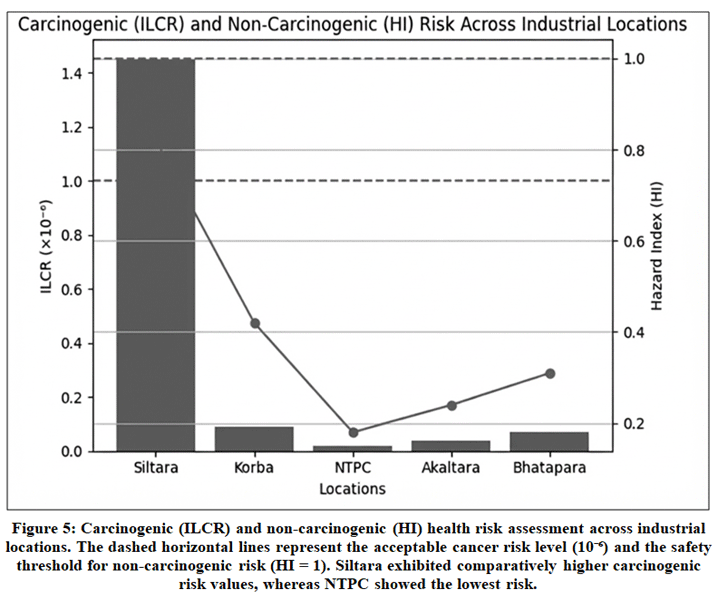 | Figure 5. Carcinogenic (ILCR) and non-carcinogenic (HI) health risk assessment across industrial locations. The dashed horizontal lines represent the acceptable cancer risk level (10-6) and the safety threshold for non-carcinogenic risk (HI = 1).
|
Pursuant to Occupational Safety and Health Administration guidelines, occupational exposure to polycyclic aromatic hydrocarbon mixtures, such as coal tar pitch volatiles, must remain below 0.2 mg m-6 over an 8-hour time-weighted average, as exceedances are linked to heightened carcinogenic risks. However, direct comparison with these standards is limited, as the present study is based on environmental and biomonitoring data rather than personal exposure measurements. In this study, the elevated toxic equivalent concentrations and incremental lifetime cancer risk values at Siltara indicate a substantially greater PAH burden in this industrial locale. Furthermore, the presence of low molecular weight PAHs in blood samples of exposed individuals indicatesoccupational exposure to combustion-derived PAHs among industrial workers via inhalation or dermal contact routes.4,53 This biomonitoring evidence corroborates the potential exceedance of recommended environmental safety thresholds, aligning with observations from international health agencies.55,56Furthermore, theInternational-Agency for Research on Cancer, categorizes several aromatic-polycyclic-hydro-carbons, particularly benzo-[a]-pyrene, as Group-1 carcinogens, emphasizing dangers associated with prolonged exposure.57,58
Overall, these results suggest that while most sites meet regulatory thresholds, industrial areas like Siltara exhibit heightened occupational exposure risks, calling for ongoing environmental monitoring, worker health surveillance, and robust emission mitigation measures to avert long-term health threats.
Table 5: Location-wise toxicity equivalency (TEQ), ILCR, and non-carcinogenic HI results estimated in industrial regions. The calculated ILCR values were compared with the acceptable cancer risk range recommended by the USEPA (10-6–10-4) to evaluate potential carcinogenic risk, whereas the HI is used to assess non-carcinogenic health effects.
Location | TEQ (ppm BaP-eq) | ILCR (×1-6) | USEPA Acceptable Cancer Risk Range | Hazard Index (HI) |
Siltara | 1.99 | 1.45 | 10-6 – 10-4 | 0.82 |
Korba | 0.13 | 0.09 | 10-6 – 10-4 | 0.41 |
NTPC Bilaspur | 0 | 0 | 10-6 – 10-4 | 0.18 |
Akaltara–Janjgir | 0 | 0 | 10-6 – 10-4 | 0.22 |
Bhatapara | 0 | 0 | 10-6– 10-4 | 0.29 |
Conclusion
This study examined the environmental distribution, bioaccumulation, and prospective health risks of polycyclic aromatic hydrocarbons across principal industrial zones in Central India. Analyses of soil, plant, and blood samples unveiled the pervasive occurrence of PAHs in industrial milieus, attributable to anthropogenic sources including coal-fired thermal power production, metallurgical processes, and fossil fuel combustion. Siltara and Korba were discerned as primary contamination foci, registering elevated PAH concentrations in environmental compartments.
Soil samples exhibited the paramount PAH accumulation, affirming soil's function as a principal repository for these recalcitrant contaminants. PAHs in plant tissues evince transfer via atmospheric deposition and rhizospheric uptake. Critically, low-molecular-weight PAHs detected in blood of exposed subjects denote occupational or ambient exposure among workers in proximate industrial vicinities. This biomonitoring substantiates continual worker exposure to pyrogenic PAHs through inhalational and dermal conduits.
Health risk appraisals utilizing toxic equivalency, incremental lifetime cancer risk, and hazard index metrics disclosed that non-carcinogenic risks at most sites abided by acceptable benchmarks. Nonetheless, Siltara displayed augmented TEQ and ILCR, intimating a modestly heightened carcinogenic these values remained within the acceptable risk range under standard regulatory guidelines.
These findings suggest that industrial emissions are a significant regional vector of long-term exposure to PAHs, which could lead to increasing health problems in susceptible populations. PAHs in abiotic and biotic matrices suggest occupational absorption as a potential contributor to increasing neoplastic risks and comorbidities in the workforce, despite the need for additional epidemiological data to be interpreted cautiously.
In summation, the study underscores the exigency for perpetual environmental oversight, refined industrial emission abatement, and systematic occupational health monitoring in industrialized precincts. Deployment of assiduous remediation tactics and worker safeguards is pivotal to attenuate protracted contamination and attenuate PAH-attendant health hazards.
Acknowledgement
The authors sincerely acknowledge the facilities and technical support provided by Guru GhasidasVishwavidyalaya, (A central university) Bilaspur, The Regional and State Forensic Science Laboratories of Chhattisgarh and council of Scientific and Industrial Research-Indian Institute of Toxicological Research for conducting this research. The authors also express their gratitude to all researchers whose published work has contributed to this study and has been appropriately cited. Any relevant previously published work by the authors has been duly acknowledged through proper referencing.
Funding Sources
The author(s) received no financial support for the research, authorship, and/or publication of this article.
Conflict of Interest
The authors do not have any conflict of interest
Data Availability Statement
All relevant data generated or analysed during this study are included in this published article. Additional data are available from the corresponding author upon reasonable request.
Ethics Statement
The study involving human participants was conducted in accordance with the ethical standards of the Institutional Ethics Committee. Ethical approval was obtained from the Institutional Ethics Committee of Guru Ghasidas Vishwavidyalaya, Bilaspur, Chhattisgarh (Approval No.: GGV/IEC/2022/02/014).
Informed Consent Statement
Written informed consent was obtained from all participants prior to sample collection. Participation was voluntary, and confidentiality of personal data was strictly maintained throughout the study.
Permission to reproduce material from other sources
Not Applicable
Author Contributions
Aayushi Pathak: Sample Collection, Laboratory Analysis, Data Interpretation, Writing – Original Draft.
Neelabh Kashyap: Methodology Development, Instrumental Analysis, Quality Assurance, Writing – Review & Editing.
Tandesh Lal Chandra: Sample Processing, Data Validation, Visualization.
Pranjal Yadav: Methodology Development, Instrumental Analysis, Quality Assurance, Writing – Review & Editing.
Sudhir Yadav: Conceptualization, Supervision, Writing – Review & Editing, Project Administration.
References
- Chen CHS, Kuo TC, Kuo HC, et al. Metabolomics of Children and Adolescents Exposed to Industrial Carcinogenic Pollutants. Environ SciTechnol.2019;53:5454.
CrossRef - Içli N, Kayaalti Z, Söylemezoglu T. Determination of polycyclic aromatic hydrocarbon metabolites in urine of coke oven workers in Turkey and exposure assessment. Toxicological & Environmental Chemistry .2021;103:219.
CrossRef - Ndlovu S, Nomngongo PN, Botha TL, Ojo BO, Mabuba N. Tailoring CoFe2O4-modified activated carbon with improved selectivity for electrochemical detection of paracetamol in wastewater. Results in Chemistry .2025;16:102515.
CrossRef - Patel AB, Shaikh S, Jain K, Desai C, Madamwar D. Polycyclic Aromatic Hydrocarbons: Sources, Toxicity, and Remediation Approaches. Frontiers in Microbiology .2020;11:562813.
CrossRef - Yang P, Wang YX, Chen YJ, et al. Urinary Polycyclic Aromatic Hydrocarbon Metabolites and Human Semen Quality in China. Environ SciTechnol.2017;51:958.
CrossRef - Pérez-Maldonado IN, Ochoa-Martínez ÁC, López-Ramírez ML, Varela-Silva JA. Urinary levels of 1-hydroxypyrene and health risk assessment in children living in Mexican communities with a high risk of contamination by polycyclic aromatic hydrocarbons (PAHs). International Journal of Environmental Health Research .2019;29:348.
CrossRef - Sopian NA, Jalaludin J, Abu Bakar S, Hamedon TR, Latif MT. Exposure to Particulate PAHs on Potential Genotoxicity and Cancer Risk among School Children Living Near the Petrochemical Industry. IJERPH .2021;18:2575.
CrossRef - Kamal A, Cincinelli A, Martellini T, Palchetti I, Bettazzi F, Malik RN. Health and carcinogenic risk evaluation for cohorts exposed to PAHs in petrochemical workplaces in Rawalpindi city (Pakistan). International Journal of Environmental Health Research .2016;26:37.
CrossRef - Ramesh A, Kumar A, Aramandla M, Nyanda A. Polycyclic Aromatic Hydrocarbon Residues in Serum Samples of Autopsied Individuals from Tennessee. IJERPH .2014;12:322.
CrossRef - Sankar TK, Kumar A, Mahto DK, et al. The Health Risk and Source Assessment of Polycyclic Aromatic Hydrocarbons (PAHs) in the Soil of Industrial Cities in India. Toxics . 2023;11(6):515.
CrossRef - Ramteke S, Sahu BL, Patel KS, et al. Characterization of Organic Aerosols in the Ambient Air of Raipur, Central India: Distribution, Seasonal Variations, and Source Apportionment. Research Square (Research Square) . Published online May 23, 2024.
CrossRef - Rajeev P, Singh AK, Singh GK, Vaishya RC, Gupta T. Chemical characterization, source identification and health risk assessment of polycyclic aromatic hydrocarbons in ambient particulate matter over central Indo-Gangetic Plain. Urban Climate .2020;35:100755.
CrossRef - Guttikunda S, Pant P, Nishadh KA, Jawahar P. Particulate Matter Source Contributions for Raipur-Durg-Bhilai Region of Chhattisgarh, India. Aerosol and Air Quality Research . 2018;19(3):528.
CrossRef - Debler F, Gandrass J. Development of an analytical method for the determination of more than 300 pesticides and metabolites in the particulate and gaseous phase of ambient air. Analytical and Bioanalytical Chemistry . 2024;416(12):3059.
CrossRef - Zhang Y, Yang X, Bian Y, Gu C, Daizhang W, Jiang X. An Accelerated Solvent Extraction-Solid Phase Extraction-High Performance Liquid Chromatographic Method for Determination of Polycyclic Aromatic Hydrocarbons in Soil and Earthworm Samples. Chinese Journal of Analytical Chemistry . 2016;44(10):1514.
CrossRef - Abe T, Aiyesanmi AF, Ojonukpe OB. Assessment Of Level Of Polychlorinated Biphenyls (PCBs) In Soil And Edible Crops From River Ala Floodplain In Akure. Research Square (Research Square) . Published online March 11, 2024.
CrossRef - Guo X, Shi Y, Gu J, et al. Polycyclic aromatic hydrocarbons residues and the carcinogenic risk assessment to pregnant women in Nantong, China using QuEChERS method and HPLC—A pilot case study. Biomedical Chromatography . 2021;35.
CrossRef - Schürmann A, Crüzer C, Duss V, Kämpf R, Preiswerk T, Huebschmann HJ. Automated micro-solid-phase extraction clean-up and gas chromatography-tandem mass spectrometry analysis of pesticides in foods extracted with ethyl acetate. Analytical and Bioanalytical Chemistry . 2023;416(3):689.
CrossRef - Li J, Ou S, Luo Y, Han Q, Li Y, Huang H. Smartphone-assisted detection of organophosphorus pesticides (OPs) in juice drinks and fruits based on cerium-based nanozyme. Microchemical Journal .2026;221:116900.
CrossRef - Aboelezz A, Kharouba M, Mahmoud SH. A simple method for the determination of acyclovir concentrations in human plasma using high-performance liquid chromatography. Future Journal of Pharmaceutical Sciences . 2024;10(1).
CrossRef - Podili B, Seelam M, Kammela PR. A Simple Reversed Phase High Performance Liquid Chromatography Method for the Estimation of Related Substances, Assay of Cabozantinib and Nivolumab and its Application to Dissolution Studies. Indian Journal of Pharmaceutical Sciences . 2021;83(4).
CrossRef - Jain RB. Association between polycyclic aromatic hydrocarbons and thyroid function among males and females: data from NHANES 2007–2008. International Journal of Environmental Health Research .2016;26:405.
CrossRef - Chrysochou E, Kanellopoulos PG, Koukoulakis KG, et al. Heart Failure and PAHs, OHPAHs, and Trace Elements Levels in Human Serum: Results from a Preliminary Pilot Study in Greek Population and the Possible Impact of Air Pollution. Molecules .2021;26:3207.
CrossRef - Montaño-Soto T, Garza-Ocañas L, Badillo-Castañeda C, Garza-Ulloa H. Determination of polycyclic aromatic hydrocarbons in ambient particulate matter PM 2.5 and 1-hydroxypyrene in children from an area near an oil refinery in Northeast Mexico. Human and Ecological Risk Assessment: An International Journal .2017;23:125.
CrossRef - Li S, Wang Y, Liu H, Sun B. Covalent organic polymer cascade MnO2 nanosheets-based fluorescence-colorimetric dual-mode sensing system for highly sensitive detection of organophosphorus pesticides. SpectrochimicaActa Part A: Molecular and Biomolecular Spectroscopy .2026;350:127431.
CrossRef - Behzadi M. Facile fabrication and application of poly(ortho-phenetidine) nanocomposite coating for solid-phase microextraction of carcinogenic polycyclic aromatic hydrocarbons from wastewaters. Ecotoxicology and Environmental Safety .2021;208:111568.
CrossRef - Wirnkor VA, Ngozi VE, Ajero CM, et al. Biomonitoring of concentrations of polycyclic aromatic hydrocarbons in blood and urine of children at playgrounds within Owerri, Imo State, Nigeria. Environ Anal Health Toxicol. 2019;34.
CrossRef - EL-Saeid MH, Alghamdi AG, Al-thamili DM. Environmental Impact Of 2A 2B Carcinogenic Polycyclic Aromatic Hydrocarbons (PAHs) in Industrial Soil: Status, Profile, Concentration and Assessment to Humans Health Risk. Research Square (Research Square) . Published online October 18, 2022.
CrossRef - EL-Saeid MH, Alghamdi AG, Al-thamili DM. Environmental Impact of 2A 2B Carcinogenic Polycyclic Aromatic Hydrocarbons (PAHs) in Industrial Soil: status, Profile, Concentration, and Assessment to Humans Health Risks. Polycyclic aromatic compounds . 2023;44(4):2688.
CrossRef - Cui Z, Wang Y, Du L, Yu Y. Contamination level, sources, and health risk of polycyclic aromatic hydrocarbons in suburban vegetable field soils of Changchun, Northeast China. Scientific Reports . 2022;12(1).
CrossRef - Lemieux C, Long AS, Lambert IB, Lundstedt S, Tysklind M, White PA. Cancer Risk Assessment of Polycyclic Aromatic Hydrocarbon Contaminated Soils Determined Using Bioassay-Derived Levels of Benzo[a]pyrene Equivalents. Environmental Science &Technology . 2014;49(3):1797.
CrossRef - Kumar B, Verma VK, Sharma CS, Akolkar AB. Estimation of Toxicity Equivalency and Probabilistic Health Risk on Lifetime Daily Intake of Polycyclic Aromatic Hydrocarbons from Urban Residential Soils. Human and Ecological Risk Assessment An International Journal . 2014;21(2):434.
CrossRef - Halfadji A, Naous M, Bettiche F, Touabet A. Human Health Assessment of Sixteen Priority Polycyclic Aromatic Hydrocarbons in Contaminated Soils of Northwestern Algeria. Journal of Health and Pollution . 2021;11(31):210914.
CrossRef - Froger C, Saby N, Jolivet C, et al. Spatial variations, origins, and risk assessments of polycyclic aromatic hydrocarbons in French soils. SOIL . 2021;7(1):161.
CrossRef - Khan AL, Imran M, Hashmi A, Shehzad W, Abbas M. Quantification of Selected Polycyclic AromaticHydrocarbons (PAHs) in Soil, Water and Bloodby an Optimized and Validated HPLC –UV–DADMethod. Polish Journal of Environmental Studies . 2022;31(4):3633.
CrossRef - Nendza M, Scheringer M, Strempel S, et al. Integrated testing strategies (ITS) for bioaccumulation: hierarchical scheme of chemistrydriven modules and definition of applicability domains. Research Portal Denmark . Published online January 1, 2011.
- Hubai K, Kováts N, Sainnokhoi TA, Teke G. Accumulation pattern of polycyclic aromatic hydrocarbons using Plantago lanceolata L. as passive biomonitor. Environmental Science and Pollution Research . 2021;29(5):7300.
CrossRef - Sushkova S, Minkina T, Tarigholizadeh S, et al. PAHs accumulation in soil-plant system of Phragmites australis Cav. in soil under long-term chemical contamination. EURASIAN JOURNAL OF SOIL SCIENCE (EJSS) . 2020;9(3):242.
CrossRef - Yadav DK, Kumar AR, Jayaraman S, et al. Polycyclic aromatic hydrocarbons in diverse agricultural soils of central India: occurrence, sources, and potential risks. International Journal of Environmental & Analytical Chemistry . 2022;104(17):5408.
CrossRef - Vácha R, Cechmánková J, Skála J. Polycyclic aromatic hydrocarbons in soil and selected plants. Plant Soil and Environment . 2010;56(9):434.
CrossRef - Kacálková L, Tlustoš P. The uptake of persistent organic pollutants by plants. Open Life Sciences . 2011;6(2):223.
CrossRef - Jia J, Bi C, Jin X, et al. Uptake, translocation, and risk assessment of PAHs in contaminated soil-air-vegetable systems based on a field simulation experiment. Environmental Pollution .2020;271:116361.
CrossRef - Gao Y, Zhu L. Plant uptake, accumulation and translocation of phenanthrene and pyrene in soils. Chemosphere . 2004;55(9):1169.
CrossRef - Jia Y, Li W, Li Y, et al. The Levels of Polycyclic Aromatic Hydrocarbons and Their Derivatives in Plasma and Their Effect on Mitochondrial DNA Methylation in the Oilfield Workers. Toxics . 2023;11(5):466.
CrossRef - Incardona JP, Linbo TL, Cameron J, et al. Biological Responses of Pacific Herring Embryos to Crude Oil Are Quantifiable at Exposure Levels Below Conventional Limits of Quantitation for PAHs in Water and Tissues. Environmental Science &Technology . 2023;57(48):19214.
CrossRef - Barraza-Villarreal A, Escamilla-Núñez C, Schilmann A, et al. Lung Function, Airway Inflammation, and Polycyclic Aromatic Hydrocarbons Exposure in Mexican Schoolchildren. Journal of Occupational and Environmental Medicine . 2014;56(4):415.
CrossRef - Yan P, Kong L, Qin T, Luo Z, Zhang X, Tie C. Study of Internal Exposure Biomarkers of Polycyclic Aromatic Hydrocarbons. Research Square (Research Square) . Published online April 11, 2023.
CrossRef - Zhu M, Agnew RJ, Xu C, VanWagoner TM, Xu X, Hwang JY. Residual polycyclic aromatic hydrocarbons and firefighters’ hematological profile. Frontiers in Environmental Health . 2024;3.
CrossRef - Saleh SAK, Adly HM, AlJahdali IA, Khafagy A. Correlation of Occupational Exposure to Carcinogenic Polycyclic Aromatic Hydrocarbons (cPAHs) and Blood Levels of p53 and p21 Proteins. Biomolecules . 2022;12(2):260.
CrossRef - Zhang H, Liu R, Liu Y, et al. Exposure to polycyclic aromatic hydrocarbons (PAHs) in outdoor air and respiratory health, inflammation and oxidative stress biomarkers: A panel study in healthy young adults. The Science of The Total Environment .2023;899:165582.
CrossRef - Wei X, Chun D, Chen C, Zhu L, Zhang G, Sun YM. Environment Impact and Probabilistic Health Risks of PAHs In Dusts Surrounding an Iron and Steel Enterprise. Research Square (Research Square) . Published online January 11, 2021.
CrossRef - Thind PS, Kumar D, Singh S, et al. Impact of Unsustainable Environmental Conditions Due to Vehicular Emissions on Associated Lifetime Cancer Risk in India: A Novel Approach. International Journal of Environmental Research and Public Health . 2022;19(11):6459.
CrossRef - Cw J. Polycyclic aromatic hydrocarbons and associated occupational exposures. Europe PMC (PubMed Central) . Published online May 13, 2021.
- Feng Y, Li Z, Li W. Polycyclic Aromatic Hydrocarbons (PAHs): Environmental Persistence and Human Health Risks. Natural Product Communications . 2025;20(1).
CrossRef - Sobus JR, McClean MD, Herrick RF, et al. Comparing Urinary Biomarkers of Airborne and Dermal Exposure to Polycyclic Aromatic Compounds in Asphalt-Exposed Workers. Carolina Digital Repository (University of North Carolina at Chapel Hill) . Published online January 1, 2009.
- Koslitz S, Heinrich B, Käfferlein HU, et al. Biomonitoring of polycyclic aromatic hydrocarbons in firefighters at fire training facilities and in employees at respiratory protection and hose workshops. Frontiers in Public Health . 2023;11.
CrossRef - Srogi K. Monitoring of environmental exposure to polycyclic aromatic hydrocarbons: a review. Environmental Chemistry Letters . 2007;5(4):169.
CrossRef - Gopinath V, Giribabu N, Mohan PS, et al. Environmental impact and human health effects of polycyclic aromatic hydrocarbons and remedial strategies: A detailed review. Chemosphere .2024;351:141227.
CrossRef