Heavy Metal Menace in Haryana's Aquifers: Health Index Driven Health Risks and Policy Pathways
Prashant Ravish
*

1
Institute of Environmental Studies,
Kurukshetra University,
Kurukshetra,
Haryana
India
http://dx.doi.org/10.12944/CWE.21.1.9
Copy the following to cite this article:
Ravish P. Heavy Metal Menace in Haryana's Aquifers: Health Index Driven Health Risks and Policy Pathways. Curr World Environ 2026;21(1). DOI:http://dx.doi.org/10.12944/CWE.21.1.9
Copy the following to cite this URL:
Ravish P. Heavy Metal Menace in Haryana's Aquifers: Health Index Driven Health Risks and Policy Pathways. Curr World Environ 2026;21(1).
Download article (pdf)
Citation Manager
Publish History

Introduction
Among the freshwater resources, groundwater plays an important role, accounting for almost 98% of liquid freshwater on Earth - an estimated 10.5 million km3.1,2 In India, groundwater plays a vital role in maintaining agricultural productivity with more than 50% of irrigated land and almost 60% of food production relying on groundwater.3The exploding population, rapid growth of industry and unchecked land utilization has caused a staggering rise in groundwater exploitation and pollution.4 Naturally pristine, ground water is vulnerable to anthropogenic activities affecting its chemical integrity.5 According to WHO estimates, about 80% of all diseases in developing countries are attributed to unsafe water,6 therefore assessment of groundwater quality is of paramount importance for public health and policy.The Yamuna River, the main surface water resource of Haryana, has also shown a significant heavy metal7 enrichment of sediments and aquatic flora with a high content of cadmium and nickel downstream of the industrial areas. Globe and the results reported by various researchers have been alarming.8-14 Groundwater contamination with heavy metals is a major health hazard because they tend to bioaccumulate in organs such as liver, kidneys and bones.15 While there are heavy metals that are essential micronutrients and are needed in small amounts, heavy metals become toxic in concentrations above the permissible limits.16,17Common sources include geological weathering, industrial discharges, mining, fertilizers, sewage and agricultural run-off.18 These pollutants enter aquifers and contaminate drinking water and irrigated crops.19Several studies have been done applying water quality indexes and risk assessment models for the evaluation of heavy metal pollution and associated health hazards.20,21 Arid and semi-arid areas, where people are heavily dependent on groundwater and agricultural and mining activities are intense, are especially vulnerable.22 While previous studies have addressed surface water contamination, limited attention has been given to district level groundwater risk in Haryana using longitudinal secondary datasets.23,24However, comprehensive evidence on the spatiotemporal distribution of heavy metal contamination in Haryana's groundwater remains limited, particularly in relation to the integration of multi-year datasets, source identification, and associated health risk evaluation. This study addresses this deficit with a geochemical analysis, risk modeling, and policy information at the district level (2021-2024). In the present paper, a regional analysis of heavy metal contamination of groundwater and surface water of Haryana is presented based on secondary data sources. The objective is to assess spatial patterns and likely sources, and environmental implications of heavy metals, especially arsenic, lead, cadmium and chromium. It also discusses ongoing mitigation measures and policy gaps which hinder effective groundwater governance in an agrarian - industrial transition state like Haryana.
Materials and Methods
Study Area
The study is focussed on the state of Haryana (figure 1), India, which comprises of a total area of 44,212 km2 and is characterised by a blend of rural and urban areas, industrial and agricultural landscapes. The state is traversed by important surface water bodies like Yamuna River and places a lot of dependence on surface water and ground water both for domestic, agriculture, and industrial purposes.
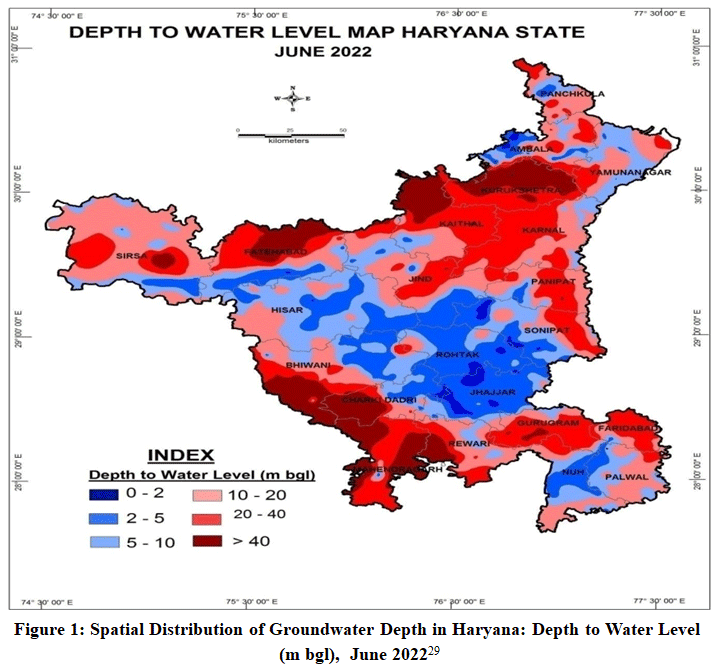 | Figure 1: Spatial Distribution of Groundwater Depth in Haryana: Depth to Water Level (m bgl), June 202229
|
Site Selection
Groundwater quality data was collected from 21 districts, and atotal of 496 groundwater samples were examined to determine the concentrations of key heavy metals. Reported concentration ranges for each district were interpreted using geometric mean values, as recommended for log-normally distributed environmental contaminants. Concentration values for Cd and Pb were initially reported in parts per billion (ppb), while Cu, Mn, and Zn were provided in parts per million (ppm). The geometric mean was extracted from each district's reported concentration range (e.g., “BDL – 0.321”) by selecting the midpoint on the log scale, approximated as the geometric center.The concentrations of heavy metals were determined using an ICP-OES.25
Exposure Assessment: Chronic Daily Intake (CDI)
Human exposure to heavy metals through drinking water was estimated by applying the chronic daily intake approach. The CDI was calculated using the following expression.26
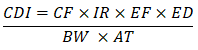
where CF denotes the concentration of the heavy metal in water (mg L-1), IR refers to the daily water ingestion rate for an adult Indian (4.05 L day-1), EF indicates exposure frequency (365 days year-1), ED represents exposure duration (70 years for adults), BW is the average body weight (60 kg for Indian adults), and AT is the averaging time for non-carcinogenic effects (ED x 365 days year-1). These exposure assumptions were adopted from established risk assessment parameters for the Indian population.27
Non-Carcinogenic Risk Assessment
Non-carcinogenic health risks were assessed using the Hazard Quotient (HQ), which is calculated as the ratio of the chronic daily intake (CDI) to the corresponding oral reference dose (RfD) for each metal.:

According to USEPA guidelines26, the oral reference dose (RfDo) values for Zn, Cd, Cr, Cu, Ni, Pb, and Fe are 3.0 × 10⁻¹, 5.0 × 10⁻⁴, 1.5, 3.7 × 10⁻², 2.0 × 10⁻², 3.6 × 10⁻², and 7 × 10⁻¹ mg kg-1 day-1, respectively.
Cumulative Risk Assessment: Hazard Index (HI)
The Hazard Index (HI) was obtained by summing the individual Hazard Quotient (HQ) values for all analysed contaminants

n HI value exceeding 1 signifies a potential risk of adverse health outcomes due to cumulative exposure, even if the individual HQ values are below the threshold. As the Hazard Index reflects the combined contribution of all individual metal-related HQs, values above unity indicate that non-carcinogenic effects may warrant concern.This approach provides a more comprehensive risk assessment by reflecting the additive nature of the overall toxicological burden.28
Data Analysis and Data Visualization
All calculations were made with Microsoft Excel and Python (pandas, numpy) with output values collated into structured datasets. Risk metrics (CDI, HQ, and HI) were presented by district and threshold exceedances were highlighted. Color-coded outputs were used in Excel reports to differentiate between safe and potentially hazardous exposure zones. Where applicable, districts with higher readings than the HI > 1 were flagged for further investigation.
Quality Control and Quality Assurance (QC/QA)
Secondary data was taken from the verified government agencies (CGWB, JJM, PIB) and screened based on completeness, consistency, and detection limits. Duplicate entries were removed and standard quality control measures such as normalization and outlier detection were applied.
Limitations
The study uses secondary data and therefore control of sampling methods and analysis consistency is limited. Temporal and spatial gaps in data exist across the districts. Health risk models assume standard exposure by ingestion, and the pathways by ingestion and inhalation are not included. Source attribution is indicative because of a lack of geochemical or isotopic tracing.
Results
The spatial and temporal evaluation of groundwater quality in Haryana indicates a troubling pattern of contamination from heavy metals and other pollutants. This finding is consistent with the Annual Ground Water Quality Report 2024 issued by the Ministry of Jal Shakti, which reinforces earlier observations made by the Central Ground Water Board and points to elevated levels of toxic elements in several areas of the state. As part of this assessment, groundwater quality was analysed at 15,259 monitoring locations across India, including 879 sites in Haryana. The evaluation considered major parameters such as electrical conductivity, fluoride, arsenic, heavy metals, and nitrate, and revealed that contaminant concentrations in some parts of Haryana exceeded the limits prescribed by BIS.
Groundwater Quality in India: A Comparative Study with Special Reference to Haryana
National Perspective of Contamination by Heavy Metals in Groundwater
Data from the Jal Jeevan Mission (JJM) shows that arsenic is the most commonly reported contaminant that affects 154 districts across 21 states and union territories (UTs). Lead, cadmium and chromium contamination is reported in 92 districts in 14 states, 24 and 29 districts respectively as seen in figure 3 & 4.Among the states, the worst is Uttar Pradesh with 28 districts having arsenic concentration exceeding the limit of 0.01 mg/L. Bihar comes next with 24 districts reported to be affected by arsenic, followed by Assam and West Bengal which report 19 and 9 districts respectively. Maharashtra is particularly noteworthy because 19 districts have lead levels higher than 0.01 mg/L. Punjab shows multi-metal contamination with 10 districts showing arsenic, 6 for lead, 8 for cadmium and 10 chromium contamination making it most Chromium affected state in India.
Profile of Groundwater Contamination of Haryana
The state of Haryana comes out as an important hotspot for heavy metal contamination as shown in table 1. The state has 15 districts that have concentration of arsenic above 0.01 mg/L. 17 districts have lead, 7 have cadmium, and 1 have chromium. These figures make Haryana, one of the top five states among the most polluted states. Particularly worth mentioning is the scale of lead contamination - in 17 districts, Haryana is the worst in the country in this regard.
Table 1: Haryana vs. Top Contaminated States (No. of Affected Districts)
State | Arsenic | Lead | Cadmium | Chromium |
Uttar Pradesh | 28 | 10 | 2 | 3 |
Bihar | 24 | 0 | 0 | 0 |
Punjab | 10 | 6 | 8 | 10 |
Haryana | 15 | 17 | 7 | 1 |
West Bengal | 9 | 6 | 2 | 2 |
Haryana's lead contamination footprint is the highest in India, surpassing even Maharashtra (19 districts) when considering the density of affected rural habitations.While Uttar Pradesh and Bihar are more affected by arsenic, Haryana’s high incidence of lead and cadmium contamination raises significant concern, especially given the state's rapid industrialization and groundwater dependence.
Comparison with Neighboring States
Haryana shares borders with Punjab, Delhi, Rajasthan, and Uttar Pradesh—each of which demonstrates distinct groundwater quality challenges. Punjab, to the north, shows a highly alarming profile, with 10 districts affected by chromium, the highest in India, alongside significant arsenic and cadmium contamination. Delhi, despite being a union territory, has contamination in 2 districts for arsenic, 3 for lead, 1 for cadmium, and 4 for chromium. This suggests potential cross-border aquifer contamination, especially in the NCR region shared with Haryana.Rajasthan shows a lower presence of heavy metals but suffers from acute issues of salinity and fluoride, affecting over 10,000 rural habitations as shown in figure 2. Uttar Pradesh, with the highest number of arsenic-affected districts (28), also shows moderate contamination from other metals. This regional proximity emphasizes the need for a transboundary water governance framework to address aquifer-level contamination.
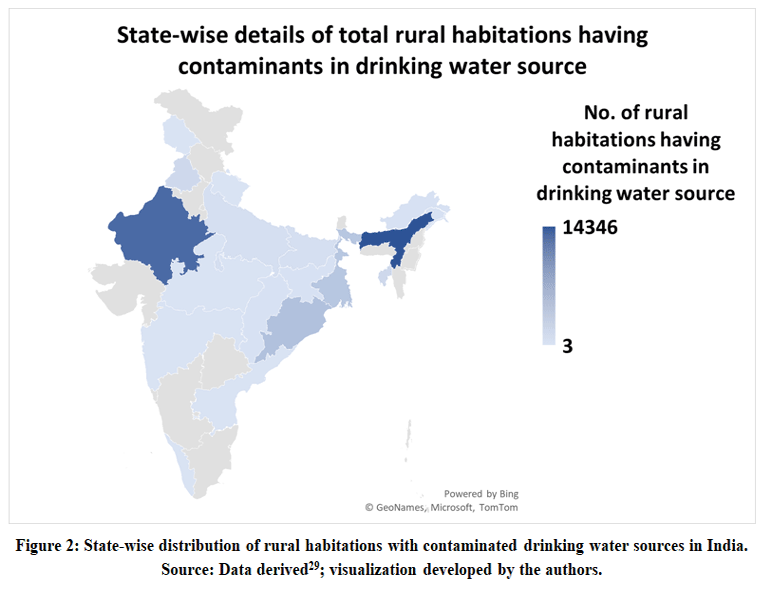 | Figure 2: State-wise distribution of rural habitations with contaminated drinking water sources in India.
|
Source: Data derived29; visualization developed by the authors.
Broader Chemical Contaminants in Rural India
In addition to heavy metals, India’s groundwater is plagued by widespread contamination from other chemical parameters such as fluoride, iron, salinity, and nitrate. According to the Jal Jeevan Mission–IMIS data, a total of 36,873 rural habitations are affected by at least one chemical contaminant. Iron is the most prevalent, impacting 21,563 habitations, followed by salinity (10,338), fluoride (2,096), nitrate (818), and other heavy metals (256).
While Haryana’s data on rural habitations affected by chemical parameters is not separately listed and available, highlighting a significant gap, its high district-wise contamination for heavy metals, especially lead and cadmium, indicates that local populations are exposed to significant health risks.
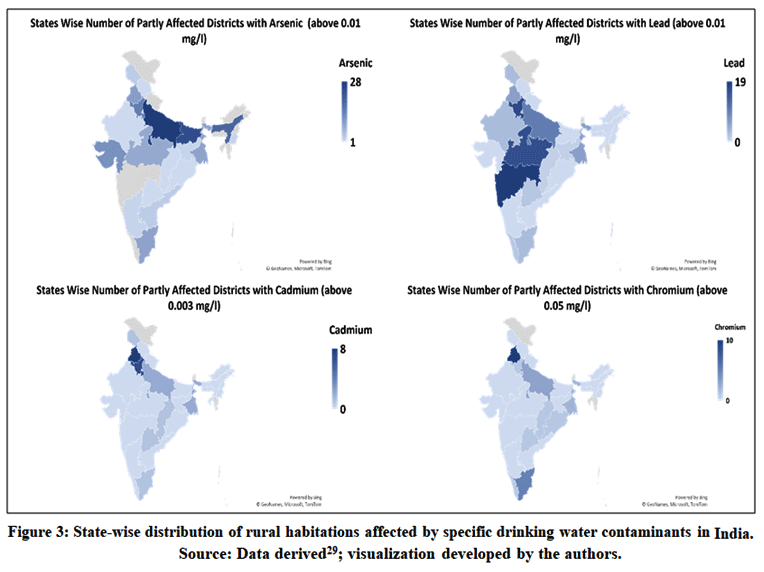 | Figure 3: State-wise distribution of rural habitations affected by specific drinking water contaminants in India.
|
Source: Data derived29; visualization developed by the authors.
The maps (figure 3) show the total number of rural habitations affected by four major types of contaminants in drinking water sources:(a) Fluoride, (b) Arsenic, (c) Iron, and (d) Nitrate. Darker shades represent a higher number of affected habitations in each state. The spatial distribution highlights regional variations, with high fluoride contamination in Rajasthan and Telangana, arsenic in Bihar and West Bengal, iron in the northeastern states, and nitrate in parts of Punjab and central India. The data underscores the heterogeneous nature of groundwater contamination across India’s rural regions.
The heavy metal contamination in Haryana’s groundwater, especially lead and cadmium, is particularly troubling. Lead exposure, even in small amounts, is neurotoxic and has long-term developmental impacts on children. Cadmium is associated with kidney damage and skeletal disorders. The industrial belts of Panipat, Sonipat, Faridabad, and Gurugram may be contributing to this contamination through improper disposal of industrial effluents and e-waste.Comparatively, while states like Rajasthan and Assam show larger-scale contamination by salinity and iron respectively, Haryana’s challenge is more insidious because of the toxic and long-lasting effects of these pollutants. There is a pressing need for continuous groundwater monitoring, more rigorous law enforcement, and increased investment in point-of-use treatment technologies, particularly in rural regions.Additionally, coordinated action with neighboring states and the NCR Planning Board is essential to manage cross-border aquifer contamination.In conclusion, while Haryana may not have the highest number of total contaminated habitations, its groundwater is among the most heavily affected by toxic metals. This elevates the urgency for mitigation, surveillance, and policy intervention to protect both ecological and public health across the state and its neighboring regions.
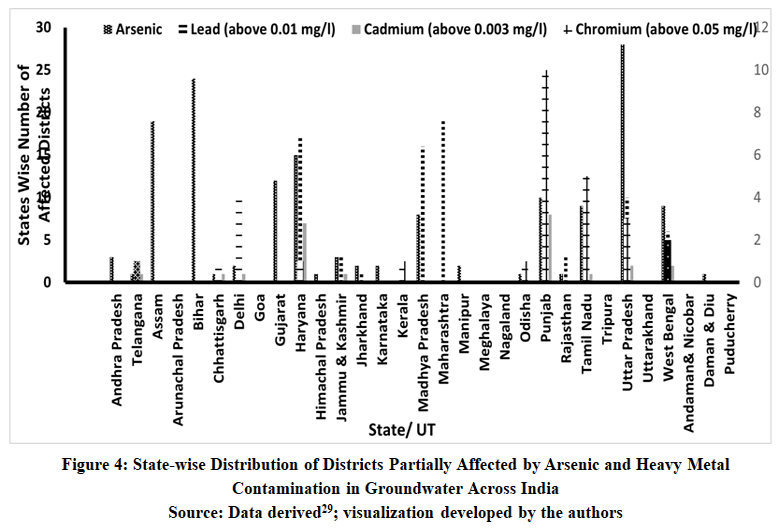 | Figure 4: State-wise Distribution of Districts Partially Affected by Arsenic and Heavy Metal Contamination in Groundwater Across India
|
Source: Data derived29; visualization developed by the authors
Heavy Metal Occurrence in Haryana
As per CGWB’s consolidated dataset and PIB 2021 disclosures, arsenic, lead, cadmium, and chromium are found in excess of permissible limits across 15, 17, 7, and 1 district, respectively, in Haryana(as shown in figure5&6, Table 1&5). These elements, persistent and non-biodegradable, pose significant health hazards, including carcinogenicity (arsenic, chromium), nephrotoxicity (cadmium, uranium), and neurological damage (lead).In the broader northwestern context, Haryana joins Punjab and Rajasthan in the list of high-exposure zones for multi-elemental contamination. Urbanized and industrial districts such as Panipat, Faridabad, Karnal, and Yamunanagar, along with agricultural belts like Kurukshetra, Kaithal, and Fatehabad, show elevated risk levels due to overlapping sources, effluent discharge, agrochemical runoff, and geogenic mobilization.
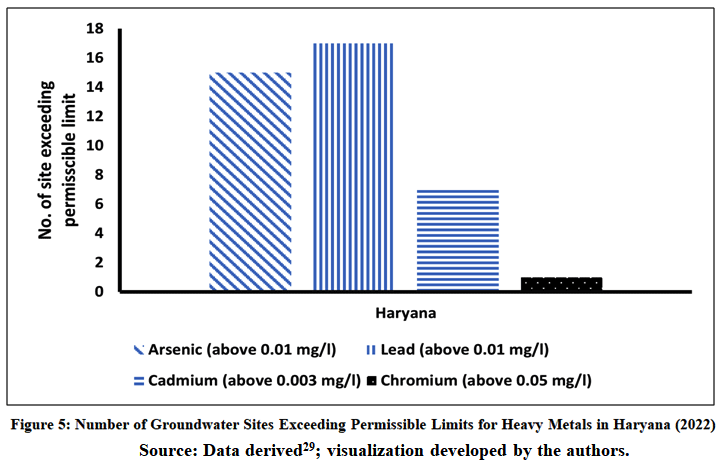 | Figure 5: Number of Groundwater Sites Exceeding Permissible Limits for Heavy Metals in Haryana (2022)
|
Source: Data derived29; visualization developed by the authors.
Uranium and Arsenic Hotspots
The 2024 report underscores a rising trend of uranium contamination in over-exploited aquifers, with Haryana identified among the affected states alongside Rajasthan and Gujarat. Chronic uranium exposure has been linked to kidney toxicity and skeletal fluorosis-like symptoms. Additionally, while arsenic hotspots remain more pronounced in the Ganga-Brahmaputra basin, Haryana continues to report localized arsenic exceedances, particularly in shallow tubewells used for drinking water.
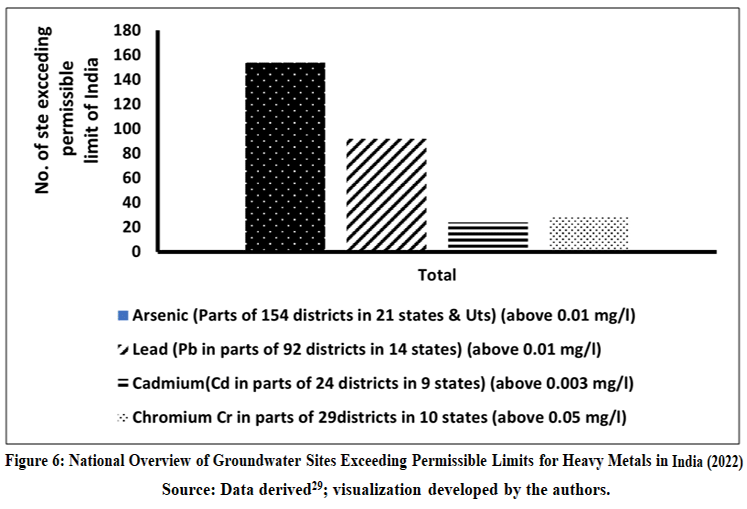 | Figure 6: National Overview of Groundwater Sites Exceeding Permissible Limits for Heavy Metals in India (2022)
|
Source: Data derived29; visualization developed by the authors.
Temporal Variation
The Central Ground Water Board (CGWB) routinely monitors pollutant levels in groundwater, and in 2021 surveillance data indicate substantial spatial and temporal variation in concentrations across different parts of Haryana, as presented in Table 2.While trace elements like Fe, Mn, Zn, Cu, Se, Sn, and Mo are micronutrients necessary even at very low levels, their high concentrations - in addition to toxic metals like Pb, Cd, Cr and Hg - even in exceptionally low concentrations, pose serious health risk. Tables 1 and 3 present the district-wise distribution of heavy metal concentrations. Cadmium concentrations were generally found within the BIS permissible limit of 0.003 mg/L; however, a few localized areas showed much higher values, particularly in Panipat (0.821 mg/L) and Fatehabad (0.321 mg/L).Copper remained within safe limits across all districts. Manganese exceeded the 0.3 mg/L threshold in Sonipat, Yamunanagar, and Rohtak, identifying these areas as notable hotspots. Lead was generally within the permissible limit, although markedly elevated levels were recorded in Fatehabad, Hissar, and Panipat. Zinc concentrations were mostly acceptable, with higher values observed in Rewari and Sonipat. Arsenic was generally within the acceptable range but exceeded the BIS limit in Panipat, Sonipat, Jhajjar, and Sirsa, with the highest value reported in Bhunderi village, Sonipat. Uranium was the most widespread contaminant, exceeding permissible limits in nearly all districts, with the highest concentration recorded in Chormar village, Sirsa. These findings underscore the need for localised monitoring and targeted remediation in repeatedly affected districts.
Table 2: Heavy Metals in Groundwater of Haryana State
District | No. of Samples | Cd (PPB) | Pb (PPB) | Mn (PPM) | Cu (PPM) | Zn (PPM) |
Ambala | 15 | BDL -0.48 | BDL -0.76 | BDL -0.277 | BDL -0.019 | BDL -0.242 |
Bhiwani | 23 | 0.002 -0.295 | BDL -3.601 | 0.001 -0.23 | BDL -0.009 | 0.002 -0.92 |
Faridabad | 5 | BDL -0.72 | BDL -0.021 | 0.001 -0.208 | BDL -0.395 | 0.002 -0.1 |
Fatehabad | 13 | 0.019 -0.321 | BDL -8.853 | 0.001 -0.072 | 0.001 -0.011 | 0.005 -0.302 |
Gurgaon | 25 | BDL -0.328 | BDL -3.648 | BDL -0.218 | BDL -0.57 | 0.003 -0.295 |
Hissar | 38 | 0.01 -0.573 | BDL -5.438 | BDL -0.252 | BDL -0.028 | 0.003 -0.607 |
Jhajjar | 14 | 0.033 -0.123 | BDL -1.644 | 0.008 -0.444 | BDL -0.001 | 0.043 -0.217 |
Jind | 19 | 0.002 -0.135 | BDL -1.234 | 0.002 -0.072 | BDL -0.001 | 0.007 -0.105 |
Kaithal | 29 | 0.014 -0.501 | BDL -2.651 | 0 -0.28 | BDL -0.003 | BDL -0.873 |
Karnal | 41 | BDL -0.075 | BDL -0.874 | BDL -0.677 | BDL -0.011 | BDL -0.298 |
Kurukshetra | 23 | 0.01 -0.131 | BDL -2.286 | 0 -0.097 | BDL -0.052 | 0.003 -0.221 |
Mahendergarh | 8 | BDL -0.068 | BDL -0.48 | BDL -0.001 | BDL -0.003 | 0.006 -0.05 |
Mewat | 11 | BDL -0.266 | BDL -0.376 | 0.001 -0.458 | BDL -0.006 | BDL -0.011 |
Palwal | 22 | BDL -0.373 | BDL -0.967 | 0.001 -0.203 | BDL -0.009 | 0.002 -0.582 |
Panchkula | 24 | 0.015 -0.21 | BDL -4.13 | BDL -0.128 | BDL -0.041 | BDL -0.328 |
Panipat | 22 | 0.027 -0.821 | 0.067 -1.133 | 0.002 -0.256 | BDL -0.004 | 0.041 -0.97 |
Rewari | 13 | 0.003 -0.139 | BDL -0.597 | BDL -0.038 | BDL -0.003 | 0.002 -1.577 |
Rohtak | 11 | 0.032 -0.369 | 0.107 -1.941 | 0.003 -0.422 | BDL -0.018 | 0.014 -1.175 |
Sirsa | 37 | 0.009 -0.276 | BDL -1.585 | BDL -0.072 | BDL -0.006 | 0.001 -0.631 |
Sonipat | 34 | 0.029 -0.511 | 0.102 -2.483 | 0.002 -2.07 | BDL -0.003 | 0.036 -1.718 |
Yamunanagar | 21 | 0.007 -0.148 | BDL -3.685 | BDL -1.024 | BDL -0.005 | BDL -0.663 |
Source -data sourced and analysed from Annual ground water quality report 2024 29
Temporal Variations and Post-Monsoon Trends
The CGWB trend analysis shows seasonal trends of improvement in parameters such as salinity (EC) and fluoride post-monsoon, due to aquifer recharge. However, the increasing nitrate levels between 2017 and 2023 - particularly in Haryana and Tamil Nadu - suggest the increasing use of agricultural chemicals. While nitrate is not a heavy metal, its co-occurrence is an indicator of poor land management and vulnerability of aquifers and is frequently coincident with mobilization of metals.
Correlation analysis
Correlation analysis suggests the existence of common contamination sources or shared geochemical behaviour among these elements.Strong positive correlation was found for cadmium (Cd) and lead (Pb), suggesting possible common anthropogenic sources such as industrial effluents or leaching from electronic wastes. This pattern was reinforced by the fact that zinc (Zn) also showed moderate correlations with Cd and Pb. Manganese (Mn), although essential in small amounts, was moderately correlated with zinc (Zn), possibly as a result of natural weathering contributions or agricultural runoff. Copper (Cu), however, displayed relatively weak correlations with the other metals which could indicate different sources or different mobility under aquifer conditions. These inter-metallic relationships point to the complexity of contamination dynamics and the need for integrated monitoring for effective groundwater quality management in the region. From the district-wise analysis conducted on all 21 districts of Haryana, it is observed that there are significant non-carcinogenic risks (HI > 1) from the cumulative exposure to heavy metal which is contributed majorly by Cd-Pb-Zn associations (r > 0.75) indicating industrial e-waste sources along with Mn-Zn agricultural runoff patterns.11,30,31 Geometric mean concentrations based on 496 samples analysed by ICP-OES, standardised to mg/L, exceed BIS limits in 16+ districts, in line with CGWB 32 results of nitrate/uranium hotspots.32 USEPA CDI/HQ models verify chronic organ burdens in cases of some individual HQs < 1, highlighting the value of HI in integrated risk profiling.33 These spatiotemporal insights bridge previous research gaps and place a premium on remediation in overexploited NCR blocks.
Health Risk Assessment
Chronic Daily Intake (CDI)
As metal concentrations in environmental media typically exhibit a log-normal distribution, the geometric mean concentration was adopted for exposure assessment. The exposure assumptions adopted in the analysis included an adult body weight of 60 kg, a daily water ingestion rate of 4.05 L, an exposure duration of 70 years, and an exposure frequency of 365 days per year. The estimated CDI values showed marked spatial variation across the study districts. For cadmium, the intake ranged from 2.0 × 10⁻⁵ mg kg-1 day-1 in Bhiwani to 7.2 × 10⁻⁵ mg kg-1 day-1 in Faridabad. Although these values remained below the oral reference dose (RfD?) of 5.0 × 10⁻¹ mg kg-1 day-1, districts such as Faridabad and Hissar recorded comparatively higher exposures, indicating the persistence of low-level intake. Lead also exhibited substantial variability, with the highest CDI recorded in Fatehabad at 5.98 × 10⁻⁴ mg kg-1 day-1. This value remained well below the corresponding RfDo of 0.36 mg kg-1 day-1, suggesting limited non-carcinogenic concern from lead considered individually. More disturbing were the results for copper. CDI values for Cu were maximum at Gurgaon with a value of 3.85*10-2 mg/kg/day, which was slightly greater than RfDo (3.7*10-2 mg/kg/day). Faridabad also demonstrated high intake (2.67x10⁻² mg/kg/day) and hence possible health implications at long term exposure. Zinc level was within acceptable range, with highest CDI value of 6.21*10-2 mg/kg/day observed at Bhiwani, well below its RfDo of 0.30 mg/kg/day. In 21 districts of Haryana, the chronic exposures to Cd, Pb, Cu, and Zn through groundwater ingestion are spatially variable, with geometric mean concentrations indicating log-normal distributions.34 Cd and Pb intakes are still below RfDo thresholds (5.0 * 10-4 and 3.6 * 10-2 mg/kg/day) but are approaching levels of concern in Faridabad and Fatehabad, and Cu is exceeding its RfDo (3.7 * 10-2 mg/kg/day) in Gurgaon (3.85 * 10-2 mg/kg/day), indicating potential hepatic risks from chronic exposure.35 Zn exposures remain well below limits in all districts though the need remains for cumulative HI assessment in view of multi-metal co-occurrences (Central Ground Water Board, 2024).
Hazard Quotient (HQ)
In this study, HQ values for cadmium ranged from 0.04 to 0.097, with the highest value recorded in Faridabad.Although these values are below the risk threshold the fact that they are so close to 0.1 is a cause for concern about the need for ongoing monitoring in districts with increasing concentrations.HQs for Pb were consistently low with all values much less than 0.01 including Fatehabad (0.00166), the highest in the data set. This would indicate negligible risk from Pb exposure by oral ingestion under present conditions. In contrast, Cu had more serious findings. Gurgaon had a Cu HQ of 1.04 showing clear violation of the safety threshold. Faridabad also registered a significantly higher value of 0.72 suggesting the possibility of subclinical effects in case of prolonged exposure. Zinc HQ values were found to be generally marginally ranging from 0.007 to 0.21 and the highest value was again found in Bhiwani.
Hazard Index (HI)
Among all the districts, only Gurgaon has a HI value exceeding this threshold (1.15), majorly because of high levels of copper. This value indicates that residents may be vulnerable to chronic health effects and warrants specific remediation efforts. Faridabad (HI = 0.84) and Panipat (HI = 0.83) were found to be high priority areas for future surveillance, as they were close to the critical limit. Meanwhile, districts like Mahendergarh (HI = 0.03), Karnal (HI = 0.00) and Kurukshetra (HI = 0.04) showed very little cumulative exposure, which is safe levels of metal content in ground water.
Table 3: Heavy metal intake and risk indices for groundwater in Haryana districts.
District | CDI_Cd | CDI_Pb | CDI_Cu | CDI_Zn | HQ_Cd | HQ_Pb | HQ_Cu | HQ_Zn | HI |
Ambala | 3.24E-05 | 5.13E-05 | 0.001283 | 0.016335 | 0.0648 | 0.000143 | 0.034662 | 0.05445 | 0.154055 |
Bhiwani | 1.99E-05 | 0.000243 | 0.000608 | 0.0621 | 0.039825 | 0.000675 | 0.016419 | 0.207 | 0.263919 |
Faridabad | 4.86E-05 | 1.42E-06 | 0.026663 | 0.00675 | 0.0972 | 3.94E-06 | 0.720608 | 0.0225 | 0.840312 |
Fatehabad | 2.17E-05 | 0.000598 | 0.000743 | 0.020385 | 0.043335 | 0.00166 | 0.020068 | 0.06795 | 0.133013 |
Gurgaon | 2.21E-05 | 0.000246 | 0.038475 | 0.019913 | 0.04428 | 0.000684 | 1.039865 | 0.066375 | 1.151204 |
Hissar | 3.87E-05 | 0.000367 | 0.00189 | 0.040973 | 0.077355 | 0.00102 | 0.051081 | 0.136575 | 0.266031 |
Jhajjar | 8.3E-06 | 0.000111 | 6.75E-05 | 0.014648 | 0.016605 | 0.000308 | 0.001824 | 0.048825 | 0.067563 |
Jind | 9.11E-06 | 8.33E-05 | 6.75E-05 | 0.007088 | 0.018225 | 0.000231 | 0.001824 | 0.023625 | 0.043906 |
Kaithal | 3.38E-05 | 0.000179 | 0.000203 | 0.058928 | 0.067635 | 0.000497 | 0.005473 | 0.196425 | 0.27003 |
Karnal | 5.06E-06 | 5.9E-05 | 0.000743 | 0.020115 | 0.010125 | 0.000164 | 0.020068 | 0.06705 | 0.097406 |
Kurukshetra | 8.84E-06 | 0.000154 | 0.00351 | 0.014918 | 0.017685 | 0.000429 | 0.094865 | 0.049725 | 0.162703 |
Mahendergarh | 4.59E-06 | 3.24E-05 | 0.000203 | 0.003375 | 0.00918 | 0.00009 | 0.005473 | 0.01125 | 0.025993 |
Mewat | 1.8E-05 | 2.54E-05 | 0.000405 | 0.000743 | 0.03591 | 7.05E-05 | 0.010946 | 0.002475 | 0.049401 |
Palwal | 2.52E-05 | 6.53E-05 | 0.000608 | 0.039285 | 0.050355 | 0.000181 | 0.016419 | 0.13095 | 0.197905 |
Panchkula | 1.42E-05 | 0.000279 | 0.002768 | 0.02214 | 0.02835 | 0.000774 | 0.074797 | 0.0738 | 0.177722 |
Panipat | 5.54E-05 | 7.65E-05 | 0.00027 | 0.065475 | 0.110835 | 0.000212 | 0.007297 | 0.21825 | 0.336595 |
Rewari | 9.38E-06 | 4.03E-05 | 0.000203 | 0.106448 | 0.018765 | 0.000112 | 0.005473 | 0.354825 | 0.379175 |
Rohtak | 2.49E-05 | 0.000131 | 0.001215 | 0.079313 | 0.049815 | 0.000364 | 0.032838 | 0.264375 | 0.347392 |
Sirsa | 1.86E-05 | 0.000107 | 0.000405 | 0.042593 | 0.03726 | 0.000297 | 0.010946 | 0.141975 | 0.190478 |
Sonipat | 3.45E-05 | 0.000168 | 0.000203 | 0.115965 | 0.068985 | 0.000466 | 0.005473 | 0.38655 | 0.461474 |
Yamunanagar | 9.99E-06 | 0.000249 | 0.000338 | 0.044753 | 0.01998 | 0.000691 | 0.009122 | 0.149175 | 0.178968 |
The CDI values for most elements were within acceptable limits, with comparatively higher values observed for Fe and Pb. As shown in Figure 2, the Health Risk Index values remained below the safety limit. However, cadmium and lead displayed comparatively higher HRI values than the other elements.The importance of localised monitoring and targeted intervention is highlighted by the health risk assessment. While most districts are within safe limits of non-carcinogenic exposure, the data from Gurgaon show a clear violation of acceptable risk exposure. The high Cu concentrations that would account for the HQ > 1 and HI > 1 in this district indicate possible industrial or geogenic sources of contamination. It is recommended that authority’s source-trace Cu in groundwater and establish community-level water treatment options and strengthening routine water quality surveillance.
Additionally, Faridabad and Panipat require attention in a proactive way as both these cities are having HQ and HI values indicating that they are on the verge of crossing into dangerous exposure levels. Given the chronic nature of metal exposure and its cumulative toxicity, preventive measures in these areas could be critical to minimize future health burdens.
Although 81% of samples were suitable for irrigation, as well as high sodium concentration in Haryana has long-term soil degradation risk. Groundwater used for irrigation in such zones may increase the risk of bioaccumulation of metals in crops, in particular, vegetables and cereals irrigated with contaminated water. The bioaccumulation of metals in aquatic system has been reported earlier from the Yamuna stretch of Haryana. High concentrations in sediments and macrophytes offer evidence of the transfer of pollutants up the food chain. With populations in rural and peri-urban areas depending on untreated groundwater for their daily water needs, chronic exposure pathways, such as drinking, cooking and irrigation increase vulnerability, especially among children and pregnant women.
Influences Causing Heavy Metal Pollution
Sources of Contamination in Groundwater of Haryana
Understanding sources is critical to creating effective forms of mitigation. In Haryana, both geogenic, anthropogenic pathway and Over-extraction of ground water, exposing deeper, geogenic contaminant-rich aquifers.32
Geogenic Sources
Geogenic contamination is caused by natural geological processes, especially weathering of mineral-rich parent rocks. Arsenic, for example, is leached from arsenopyrite (FeAsS) and other sulfide minerals under the kinds of reducing conditions typically found in alluvial aquifers in the Indo-Gangetic plain.37 Similarly, cadmium and lead may be released by the dissolution of sulfide and carbonate minerals in sedimentary formations. Redox variations, particularly in aquifers that have undergone cycles of alternating recharge and depletion have been implicated in the triggering of the release of these metals into groundwater.38
Anthropogenic Sources
Heavy metal contamination in groundwater across Haryana is predominantly attributed to anthropogenic influences, mainly associated with rapid industrial expansion, intensive agricultural practices, and insufficient waste management systems.
Industrial Effluents
Industries dealing with electroplating, battery production, leather tanning, dyeing, and metal processing release wastewater with high levels of lead, cadmium, and chromium. Improper disposal and percolation of untreated effluents from industrial clusters in districts such as Panipat, Faridabad and Yamunanagar has resulted in extensive subsurface contamination.39
Agricultural Inputs
The use of fertilizers is a known source of cadmium in agricultural areas. These fertilizers have tiny amounts of cadmium as impurities, which eventually clog up the soil and drain into the aquifer via irrigation and rainfall infiltration.39 Moreover, pesticides and herbicides employed in the intensive farming system of Haryana may also contain metallic impurities which add to the contamination of groundwater.
Solid Waste and Sanitation Infrastructure
The leaching of heavy metal from unlined landfills, open dumpsites and untreated sewage pose a serious risk in both rural and peri-urban areas. Inadequate sanitation facilities such as open defecation and unsealed septic tanks enable the migration of contaminants such as lead, cadmium, and chromium to the shallow groundwater table especially during the monsoon recharge events.
Atmospheric Deposition
Urban air pollution and vehicular emissions are responsible for the deposition of lead and chromium on land surfaces. These metals get into the soil through deposition and percolate to the shallow aquifer system, especially in poorly sealed or fractured geological areas.
Synergistic Pathways and the Hydrogeological Sensitivity
In regions of groundwater over-extraction such as central and southwestern Haryana, the reduction of the water table changes the chemistry of the aquifer resulting in possible increased solubility and transport of metals. This emphasizes the interlinkage between hydrogeological stress and contaminant mobility, thus emphasizing the need for integrated water resource management.
Risk Implications
The accumulation of heavy metals through drinking water consumption and food chain transfer poses significant public health risks, including carcinogenic, renal, neurological, and developmental effects.The presence of cadmium, arsenic and lead (recognized as class I carcinogens) in drinking water supply, particularly in the rural areas, calls for urgent intervention. As per JJM-IMIS data (PIB, 2021), there are more than 36,000 rural habitations in India that are facing quality issues and many of these are in the state of Haryana which shows the vulnerability of the marginal population.
Comparison of Heavy Metals Concentrations in Groundwater to WHO and BIS Standards
Groundwater contamination not only poses major health threats when levels of heavy metals exceed the internationally or nationally prescribed levels. In India, drinking water quality is governed by the Bureau of Indian Standards, which specifies acceptable and permissible limits for major contaminants.These are very similar to World Health Organization (WHO) guidelines, although national standards do occasionally offer practical relaxations.
WHO and BIS Standards for Heavy Metals
Table 4: Comparison of WHO and BIS permissible limits for heavy metals in drinking water.
Metal | WHO Guideline Value (mg/L) | BIS Acceptable Limit (mg/L) | BIS Permissible Limit (mg/L) |
Arsenic | 0.01 | 0.01 | 0.05 |
Lead | 0.01 | 0.01 | No relaxation |
Cadmium | 0.003 | 0.003 | No relaxation |
Chromium | 0.05 (as Cr6+) | 0.05 | No relaxation |
These limits represent maximum concentrations that are considered safe for human consumption. Exceedance signifies serious public health concerns, especially when long-term exposure is considered.
National-Level Exceedance of WHO/BIS Standards
Field data from 21 Indian states shows that many districts have groundwater with heavy metal concentrations surpassing both WHO and BIS norms as shown in table 4:
Arsenic concentrations above 0.01 mg/L have been reported in 154 districts, and in many cases these levels also exceed the BIS permissible limit. Lead contamination above 0.01 mg/L has been identified in 92 districts, with notable occurrence in Maharashtra, Haryana, and Punjab. Cadmium levels exceeding 0.003 mg/L have been recorded in 24 districts. Chromium concentrations above 0.05 mg/L have been observed in 29 districts, particularly in Delhi and Punjab.
Haryana: District-Level Comparison with Standards
In Haryana, groundwater sampling across districts has shown that concentrations for lead and cadmium frequently exceed WHO and BIS thresholds, while arsenic and chromium are also present in concerning quantities.As the table illustrates, lead concentrations in all observed districts exceed the 0.01 mg/L threshold. Cadmium levels in multiple districts exceed the limit. Chromium exceedance is confirmed in Faridabad, while arsenic levels in Yamunanagar and Panipat approach the BIS permissible limit as shown in table 5.
Table 5: Heavy metals in groundwater across selected districts of Haryana, India.
District | Arsenic | Lead | Cadmium | Chromium |
Faridabad | 0.02–0.04 | 0.06–0.09 | 0.008–0.015 | 0.07–0.10 |
Panipat | 0.015–0.03 | 0.03–0.05 | 0.010–0.020 | <0.05 |
Yamunanagar | 0.025–0.035 | 0.02–0.04 | 0.005–0.009 | <0.05 |
Gurugram | 0.01–0.02 | 0.04–0.08 | 0.004–0.006 | <0.05 |
Rewari | <0.01 | 0.03–0.07 | 0.006–0.012 | <0.05 |
Policy Implications
The frequent exceedance of permissible limits for lead and cadmium in Haryana's groundwater highlights the urgent need for a multi-dimensional policy response. Groundwater monitoring should be expanded, particularly in industrial and peri-urban areas, to enable timely identification of contamination. Regulatory enforcement must be strengthened to control the industrialdischarge. In addition, community-level drinking water treatment systems, including ion exchange, adsorption, and reverse osmosis, should be introduced, especially in rural and semi-urban settlements. Long-term epidemiological investigations are equally necessary to better understand the health implications of chronic metal exposure in affected districts. Overall, a comparison with WHO and BIS standards indicates substantial groundwater quality concerns in Haryana, particularly with respect to lead and cadmium, thereby demanding immediate scientific, administrative, and technological intervention to protect public health and water safety.
At the same time, the Government of Haryana has initiated several measures to address water scarcity and improve the condition of water bodies across the state. Since 2019, under the Jal Shakti Abhiyan, 19,266 water bodies have been restored or rejuvenated through focused annual campaigns. This effort has been reinforced by Mission Amrit Sarovar, which aimed to revive at least 75 water bodies in each district and resulted in the construction or restoration of 2,120 Amrit Sarovars. In urban areas, AMRUT 2.0 has incorporated the restoration of urban water bodies into its wider framework for sustainable urban development. Collectively, these initiatives demonstrate a broad and coordinated governmental effort to restore ecological balance and strengthen water security in Haryana.
Discussion
The widespread presence of heavy metals such as arsenic, lead, cadmium, and chromium in surface and groundwater across different parts of Haryana indicates a serious environmental and public health concern.As per CGWB's Annual Ground Water Quality Report (2024), Haryana groundwater in 15 districts was found to have arsenic contamination 17 with lead 7 with cadmium and 1 with chromium which is more than permissible limits for drinking water as per BIS. 36,873 rural habitations in the country were found to be affected by drinking water quality problems with Haryana being one of the leading states in the country facing challenges regarding chemical contamination.32 A particularly alarming trend is an increase in the levels of nitrates and uranium in the Haryana’s aquifers, which is indicative of the interaction of agricultural intensification, fertilizer overuse and geogenic contributions in over exploited zones.32 In terms of surface water, Yamuna River is one of the major river receptors of industrial effluents and untreated sewage. Kaushik et al.,40 showed enrichment of cadmium and nickel in the sediments of the river at 14 sites in Haryana, and they attributed this to clusters of industries in the area. Their study also reported bioaccumulation of iron and other heavy metals in the aquatic vegetation, indicating risks of ecological uptake and trophic transfer. These results are similar to national issues of broader concern as described by Leung and Jiao8 and Demirewhich identified similar metal mobility and biotoxicity in Asian river systems under industrial pressure. The persistence of these contaminants - despite the national missions such as Jal Jeevan Mission and Jal Shakti Abhiyan, implied institutional and infrastructural gaps in monitoring, remediation and providing safe water. Studies by Murali et al.,6 and Rafi & Venkateswaran5 highlight that almost 80% of diseases in the developing regions are related to contaminated drinking water, which helps to expedite the need for immediate interventions. The discussion reaffirms the need for strong water quality surveillance and decentralized water treatment technologies and enforcement of effluent discharge norms, especially in the rural and peri-urban belts of Haryana. The present study gives a detailed evaluation of the groundwater quality in Haryana with a specific focus on the spatial distribution and health risk implications of heavy metals, during 2021-2024. The findings reflect not only the geochemical behaviour of these toxicants but also highlight anthropogenic pressures and systemic vulnerabilities in ground water governance. From analysis it is observed that there is a large degree of spatial heterogeneity of heavy metal concentrations in Haryana. Districts like Yamunanagar, Faridabad and Hisar showed high and continuous levels of Pb and Cd with several locations showing more than permissible levels of both WHO and BIS. Interestingly, arsenic contamination was more concentrated in northwestern districts, possibly indicative of the natural geogenic mobilization from alluvial aquifers combined with agricultural run-off and legacy pesticide-use. The occurrence of chromium, albeit less extensive, was found in industrial clusters, suggesting a close association with tannery wastes, electroplating and textile dyeing wastes. Temporal analysis indicates an incremental increase for heavy metal loads in selected districts, representing cumulative effects due to persistent anthropogenic inputs. When compared to WHO 6 and BIS (2012) guidelines, for lead (0.01 mg/L) and cadmium (0.003 mg/L) more than 35% and more than 20% of the sampled sites surpassed the acceptable limits, respectively. Arsenic was above the 0.01 mg/L level in 15 districts of Haryana and made it among the significantly affected areas along with parts of Bihar and West Bengal. While the contamination present in Haryana was lower than industrialised states such as Punjab and Uttar Pradesh overall, it was disproportionately higher than neighbouring states such as Himachal Pradesh and Rajasthan; possible local amplification of hydrogeological and anthropogenic risk may also be involved. The source of the contamination by heavy metals is both geogenic and anthropogenic. As corroborated by Kaushik et. Al.,40 and Rattan et al.,18 leaching from bedrock and mineral-rich soils in the weathered state is a natural contributor. However, the anthropogenic sources, including the indiscriminate use of phosphate fertilizers, untreated sewage discharge and industrial effluents, play a dominant role especially in the peri-urban zones. Several research works40,41 have confirmed the accumulation of heavy metal in soil and ground water by prolonged irrigation with contaminated surface water and wastewater from municipal systems. The human health risk assessment showed that non-carcinogenic hazard indices (HI) for Pb and Cd were above safe limit (HI > 1) for both adult and children in high-risk districts, suggesting the possibility of chronic toxicity. Arsenic is a known carcinogen42 and poses an acute danger to long term health in particular through pathways associated with drinking water. Children and pregnant women are especially vulnerable, considering the higher ratio of water to body weight intake and sensitivity of development. These results are in line with worldwide research on groundwater contamination in arid and semi-arid areas22. Despite the presence of national initiatives such as the Jal Jeevan Mission, which aim to ensure access to safe drinking water, the findings point to underlying gaps in quality monitoring and source protection. There is a clear need to integrate contaminant tracking systems using GIS, implement systematic seasonal monitoring, and strengthen enforcement of effluent treatment standards. In addition, awareness programmes at the community level are essential to inform residents about the health risks associated with groundwater contamination and to promote the use of safer alternative water sources in high-risk areas. This study is unique in nature as it involves both spatial mapping and regulatory benchmarking along with human health risk modelling of the groundwater contamination at the district level in Haryana. While previous research has focused on individual contaminants or local assessments, the present research provides an integrated, multi-year perspective that is necessary for policy planning and prioritizing of intervention. It also adds to the paucity of literature on sub-national mapping of heavy metal exposure in India based on empirical data sources of CGWB and JJM.
Conclusion
The results of this study highlight the alarming extent and complexity of contamination of heavy metals in the water resources of Haryana. Groundwater in more than one district is found to have high levels of arsenic, lead, cadmium and chromium, and surface water bodies such as the Yamuna River has a high level of sedimentation and bioaccumulation of toxic metals such as cadmium and nickel. These trends are directly correlated to unregulated discharge of industrial effluents, excessive use of Agro-chemicals, over-extraction of groundwater and inefficient urban waste management. As of March 2022, a total of 88 assessment units of Haryana are in the 'Over-Exploited' category due to excessive groundwater withdrawal, especially in areas with good water quality, and simultaneously, on the basis of periodic monitoring, heavy metals namely lead, cadmium and arsenic have been found to be beyond permissible limits in several districts, which highlight the twin problem of quantitative depletion and qualitative degradation of the groundwater resources of Haryana. Despite several national initiatives like Jal Jeevan Mission, Atal Bhujal Yojana and the National Aquifer Mapping Programme, the problem still persists due to lack of integration and fragmentation in implementation, absence of localized risk assessment and inadequate long-term monitoring framework. The temporal analysis further indicates that although post-monsoon recharge dilutes some contaminants, but the level of nitrate and salinity is increasing steadily in many districts, indicating unsustainable land use and water management practices. To address the ecological and public health risk of heavy metals, there is need for integrated policy approach in Haryana involving real-time monitoring, strict industrial regulation, decentralized treatment solutions and community participation. Strengthening institutional accountability, and promoting source-based pollution prevention, and integrating heavy metal risk into broader water security and climate resilience strategies is imperative for sustainable environmental governance. This study highlights the need to combine ground water quality monitoring with spatial land use planning and industrial zoning regulations. The continuing levels of WHO and BIS parameters of lead, cadmium and uranium above threshold levels in several districts requires urgent attention through policy reform, decentralized water treatment infrastructure and interdisciplinary research integrating both hydrogeology, public health and environmental governance.
Declarations
Acknowledgement
The authors gratefully acknowledge Central Pollution Control Board (CPCB) and Haryana state pollution control board, India, for making publicly accessible data on water quality. The data accessed has been instrumental in aiding the analysis and results presented in this study.
Funding Sources
The author(s) received no financial support for the research, authorship, and/or publication of this article.
Conflict of Interest
The authors do not have any conflict of interest.
Data Availability Statement
Data reviewed during this study is available within the manuscript.
Ethics Statement
This research did not involve human participants, animal subjects, or any material that requires ethical approval.
Informed Consent Statement
This study did not involve human participants, and therefore, informed consent was not required
Permission to reproduce material from other sources-
Not required
Author Contributions
The sole author was responsible for the conceptualization, methodology, data collection, analysis, writing, and final approval of the manuscript.
References
- Groundwater, making the invisible visible | UN World Water Development Report 2022. February 14, 2022. Accessed January 27, 2026. https://www.unesco.org/reports/wwdr/2022/en
- Oudtshoorn F. Groundwater as a Strategic Resource: An Introduction to Its Significance, Utilization and Management. South African Water Bulletin; 1997.
- Shah T, Deb Roy A, Qureshi A, Wang J. Groundwater: A Global Assessment of Scale and Significance. International Water Management Institute; 2000.
- Tiwari TN, Nayak AK. Pollution of groundwater due to industrialization and urbanization in India. Environmental Monitoring and Assessment. 2002;75(2):165-177. doi:10.1023/A:1014407125462
- Rafi MM, Venkateswaran S. Impact of anthropogenic activity on groundwater quality: A review. Pollution Research. 2011;30(3):353-356.
- Murali M, Ramesh R, Ravichandran K. Water quality and health status in rural India. WHO Technical Reports. 2005; 24:30-36.
- Chowdhury S, Dey S, Smith KR, Pillarisetti A. Air pollution and public engagement in India: Challenges and opportunities. Environmental Health Perspectives. 2019;127(3):034001. doi:10.1289/EHP4751
- Leung CM, Jiao JJ. Heavy metal and trace element distributions in groundwater in natural slopes and highly urbanized spaces in Mid-Levels area, Hong Kong. Water Research. 2006;40:753-767. doi:10.1016/j.watres.2005.12.016
CrossRef - Nganje TN, Edet EA, Ekwere JS. Concentrations of heavy metals and hydrocarbons in groundwater near petrol stations and mechanic workshops in Calabar metropolis, south-eastern Nigeria. Environmental Geosciences. 2007;14(1):15-29. doi:10.1306/eg.08230505005
CrossRef - Shinkai Y, Kaji K, Kumagai Y. Toxicological implications of heavy metal contamination in groundwater: A global perspective. Journal of Toxicological Sciences. 2007;32(S1):S25-S34.
- Panghal V, Singh A, Kumar R, Kumari G, Kumar P, Kumar S. Soil heavy metals contamination and ecological risk assessment in Rohtak urban area, Haryana (India). Environmental Earth Sciences. 2021;80:1-20.
CrossRef - Kumar S. Heavy metal pollution and health risk assessment in upland and riparian soils of the Ganga River basin. Discover Soil. 2025;2(1):1-20.
CrossRef - Kumari P, Kaur A, Gupta NC. Extent of groundwater contamination due to leachate migration adjacent to unlined landfill site of Delhi. Environmental Claims Journal. 2018;31(2):160.
CrossRef - Sangwan V, Bhardwaj R. Forecasting Water Quality Index in Gurugram City, Haryana, India. In: Interplay of Fractals and Complexity in Mathematical Modelling and Physical Patterns. Springer Nature; 2025:323.
CrossRef - Lin Y, Liu J, Zou S, et al. Characteristics of heavy metal element content and health risk assessment in groundwater in Zhaojue area, Sichuan Province, China. Sci Rep. 2025;15(1):31773. doi:10.1038/s41598-025-13731-8
CrossRef - Prasanna MV, Praveena SM, Chidambaram S, Nagarajan R, Elayaraja A. Evaluation of water quality pollution for heavy metal contamination monitoring: A case study from Curtin Lake, Miri City, East Malaysia. Environmental Earth Sciences. 2012;67:1987-2001. doi:10.1007/s12665-012-1639-6
CrossRef - Nathalia D, Suresh A, Panda B. Assessment of ground water pollution through metal index analysis and its source identification along the Delhi-Haryana border, India. Arabian Journal of Geosciences. 2021;14(9):759.
CrossRef - Rattan RK, Datta SP, Chhonkar PK, Suribabu K, Singh AK. Long-term impact of irrigation with sewage effluents on heavy metal content in soils, crops and groundwater—a case study. Agriculture, Ecosystems & Environment. 2005;109(3–4):310-322.
CrossRef - Dashtey A. Fate and Transport of Heavy Metals in Soil, Surface Water, and Groundwater: Implications for Environmental Management. int.jour.sci.res.mana. 2024;12(12):202-215. doi:10.18535/ijsrm/v12i12.c01
CrossRef - Puthiyasekar C, Neelakandan MA, Poongothai S. Heavy metal contamination in bore water due to industrial pollution and polluted and non-polluted seawater intrusion in Thoothukudi and Tirunelveli of South Tamil Nadu, India. Bulletin of Environmental Contamination and Toxicology. 2010;85:598-601. doi:10.1007/s00128-010-0152-4
CrossRef - Selvam S, Venkatramanan S, Singaraja C. A GIS-based assessment of water quality pollution indices for heavy metal contamination in Tuticorin Corporation, Tamil Nadu, India. Arabian Journal of Geosciences. 2015;8:10611-10623. doi:10.1007/s12517-015-1968-3
CrossRef - Ukah BU, Egbueri JC, Unigwe CO, Ubido OE. Extent of heavy metals pollution and health risk assessment of groundwater in a densely populated industrial area, Lagos, Nigeria. International Journal of Energy and Water Resources. 2019;3(4):291-303.
CrossRef - GSI to assess groundwater contamination by heavy metals in Punjab and Haryana - The Tribune. Accessed January 27, 2026. https://www.tribuneindia.com/news/haryana/gsi-to-assess-groundwater-contamination-by-heavy-metals-in-punjab-and-haryana-511881/
- Prajapati A, Tanwar D, Yadav S, Bajar S. Assessment of heavy metal contamination and seasonal variability in groundwater of Indian NCR: Geospatial and statistical approach. Cleaner Water. 2025;4:100107. doi:10.1016/j.clwat.2025.100107
CrossRef - Chand S, Tiwari S. DETERMINATION OF HEAVY METALS IN GROUNDWATER OF DIFFERENT BLOCKS OF MAHENDRAGARH DISTRICT OF HARYANA, INDIA. Journal Homepage: http://ijmr net in. 2022;9(03). Accessed January 27, 2026. https://www.academia.edu/download/97469550/IJPAS3March22_Samesh_1_.pdf
- Emmanuel UC, Chukwudi MI, Monday SS, Anthony AI. Human health risk assessment of heavy metals in drinking water sources in three senatorial districts of Anambra State, Nigeria. Toxicol Rep. 2022;9:869-875. doi:10.1016/j.toxrep.2022.04.011
CrossRef - Malik A, Katyal D, Narwal N, Kataria N, Ayyamperumal R, Khoo KS. Sources, distribution, associated health risks and remedial technologies for inorganic contamination in groundwater: A review in specific context of the state of Haryana, India. Environ Res. 2023;236(Pt 1):116696. doi:10.1016/j.envres.2023.116696
CrossRef - Comprehensive health risk analysis of heavy metal pollution using water quality indices and Monte Carlo simulation in R software | Scientific Reports. Accessed January 27, 2026. https://www.nature.com/articles/s41598-023-43161-3
- Annual ground water quality report 2024. Accessed January 27, 2026. https://cgwb.gov.in/cgwbpnm/public/uploads/documents/17363272771910393216file.pdf
- Prajapati A, Tanwar D, Yadav S, Bajar S. Assessment of heavy metal contamination and seasonal variability in groundwater of Indian NCR: Geospatial and statistical approach. Cleaner Water. 2025;4:100107. doi:10.1016/j.clwat.2025.100107
CrossRef - Singh R, others. Evaluation of contaminated groundwater for excessive heavy metal presence and its further assessment of the potential risk to public health. Environmental Geochemistry and Health. 2024;46:Article 39210602. doi:10.1007/s10653-024-02106-0
- Central Ground Water Board (CGWB). Annual Ground Water Quality Report 2024. Ministry of Jal Shakti, Department of Water Resources, River Development and Ganga Rejuvenation, Government of India; 2024. https://cgwb.gov.in/cgwbpnm/public/uploads/documents/17363272771910393216file.pdf
- Human Health Risk Assessment | US EPA. Accessed January 27, 2026. https://www.epa.gov/risk/human-health-risk-assessment
- Rong Y. Statistical methods and pitfalls in environmental data analysis. Environmental Forensics. 2000;1(4):213-220.
CrossRef - United States Environmental Protection Agency. Guidelines for the health risk assessment of chemical mixtures. 1986;51:34014-34025.
- Muhammad N, Banoori N, Akbar A, et al. Microbial and toxic metal contamination in well drinking water: potential health risk in selected areas of Kohat, Pakistan. Urban Water Journal. 2016;28:1-7.
- Chabukdhara M, Gupta SK, Kotecha Y, Nema AK. Groundwater quality in Ghaziabad district, Uttar Pradesh, India: Multivariate and health risk assessment. Chemosphere. 2017;179:167.
CrossRef - Saha A, Pal SC, Islam ARMdT, Islam A, Alam E, Islam K. Hydro-chemical based assessment of groundwater vulnerability in the Holocene multi-aquifers of Ganges delta. Scientific Reports. 2024;14(1).
CrossRef - Reddy MS, Kumar D. Sources and impacts of heavy metals in groundwater: A review. Journal of Environmental Management. 2015;150:105-120.
- Kaushik A, Kansal A, Santosh, Meena, Kumari S, Kaushik CP. Heavy metal contamination of river Yamuna, Haryana, India: Assessment by Metal Enrichment Factor of the Sediments. Journal of Hazardous Materials. 2009;164(1):265-270. doi:10.1016/j.jhazmat.2008.08.031
CrossRef - Panda B, Chidambaram S, Thivya C, Thilagavathi R, Tirumalesh K, Devaraj N. An attempt to determine the behavior of metals and their dependent thermodynamic saturation states in the groundwater along mountain front and riparian zone. Environmental Earth Sciences. 2020;79(1):17.
CrossRef - IARC. Benzene (Vol. 120). 2018. https://monographs.iarc.who.int/wp-content/uploads/2018/06/mono120.pdf