
Evaluation of Custard Apple (Annona Squamosa) Leaf a Natural Coagulant Extract for Physicochemical Treatment of Greywater
Ramasamy Jayanthi
*
 and Venkataraman Harithra
1
Department of Civil Engineering,
Periyar Maniammai Institute of Science and Technology (Deemed to be University),,
Thanjavur,
Tamil Nadu
India
http://dx.doi.org/10.12944/CWE.21.1.10
Copy the following to cite this article:
Jayanthi R, Harithra V. Evaluation of Custard Apple (Annona Squamosa) Leaf a Natural Coagulant Extract for Physicochemical Treatment of Greywater. Curr World Environ 2026;21(1). DOI:http://dx.doi.org/10.12944/CWE.21.1.10
Copy the following to cite this URL:
Jayanthi R, Harithra V. Evaluation of Custard Apple (Annona Squamosa) Leaf a Natural Coagulant Extract for Physicochemical Treatment of Greywater. Curr World Environ 2026;21(1).
Download article (pdf)
Citation Manager
Publish History

Introduction
Water is a fundamental resource necessary for sustaining life and serves as a crucial raw material across various sectors, including energy production, agriculture, and industrial manufacturing. However, increasing demands for water driven by urbanization and population growth are leading to declining availability. This trend is causing water scarcity in numerous regions worldwide, as highlighted by existing forecasts.1 As freshwater resources dwindle, greywater reuse has emerged as a viable strategy to alleviate strain on water supplies, especially in arid and water scarce areas.2 Greywater refers to wastewater from everyday household activities such as bathing, laundry, and dishwashing, excluding toilet contributions. In many developed nations, greywater constitutes approximately 60–70% of total domestic wastewater volume.3 Yet, greywater can contain harmful pollutants that pose risks to the environment and public health if not properly treated before reuse.3
Coagulation and flocculation are widely used techniques in water treatment, valued for their effectiveness in reducing wastewater contaminants. These processes specifically target reductions in turbidity, organic materials, color, and various ions.4Conventional chemical coagulants, like iron and aluminum salts, have drawbacks like high expenses, toxicity, substantial pH changes, and substantial amounts of hazardous sludge.5Industries have been using natural substitutes for hazardous chemicals as a result of a recent trend toward sustainable wastewater treatment methods. This change lessens the effects of production, consumption, and secondary waste management on the environment.5
Water and wastewater have been treated with natural coagulants long before chemical coagulants emerged.6 They fall into three main categories: microorganisms, plant based coagulants, and animal based coagulants.6 Plant based coagulants are more abundant than animal based ones, making them effective alternatives to chemical coagulants and highlighting their growing significance in various applications.6Large molecules from plant components, such as seeds (like Moringa oleifera), leaves (like Neem), tubers, cactus pads (like Opuntia, species), and peels from fruit (like banana and citrus), are these coagulants.Their coagulation ability stems mainly from bioactive substances that have functional groups that allow for polymer bridging and charge neutralization, such as hydroxyl, carboxyl, and amine.7Natural coagulants are effective, affordable, readily available, non-toxic, and require minimal maintenance or expertise. Research shows they can reduce sludge volume by up to five times while improving its biodegradability.8 However, exploration of plant-based coagulants from leaves remains relatively scarce.9 Custard apple leaves are abundant, biodegradable, and rich in biopolymers that may enable effective coagulation, yet the coagulation potential of custard apple (Annona squamosa) leaves has not been systematically evaluated.
Active compounds in plant based coagulants are primarily proteins and carbohydrates, which are key to their effectiveness. Proper preparation is essential to maximize wastewater treatment efficiency, as it extracts these active compounds effectively for higher yields and better performance.10 Various solvents have been used for extraction, including distilled water, KCl, NaCl, KNO3, NaNO3, HCl, BaCl2, NaOH, and NH4Cl.11 Researchers have tested Plant extraction techniques that enhance flocculation and capacity to absorb include salt (NaCl), alkaline (NaOH), and acid (HCl) treatment properties for improved pollutant removal.12 However, comparative performance analysis across multiple extraction media and molarities for custard apple leaves has not been reported previously. Furthermore, benchmarking against alum is needed to validate natural coagulants for practical greywater treatment.
This study addresses these gaps by investigating the coagulation potential of sweet sop leaf extract made with NaCl, NaOH, HCl at varying molarities, then comparing performance with alum under controlled jar test conditions.(Here the content deleted as per the reviewer comments) This study aims to (i) characterize the functional and morphological features of custard apple leaf powder, (ii) evaluate greywater treatment efficiency of extracts prepared using different extraction media, (iii) identify optimal coagulant dosage for maximum removal efficiency, (iv) compare natural coagulant performance with alum, and (v) establish statistical significance of treatment variables. The findings contribute to low cost, eco friendly coagulation methods for decentralized greywater management.
Materials and Methods
Gathering and Making Powdered Natural Coagulant
New custard apple (Annona squamosa) leaves were collected from healthy plants free of visible disease or decay. To get rid of dust and contaminants, the gathered leaves were properly cleaned using tap water and then distilled water. Cleaned leaves were shade dried at ambient temperature due to several days, avoiding direct sunlight to prevent degradation of active phytochemical compounds. After complete drying, the leaves were pulverized and sieved to produce a fine powder containing tiny particles less than 0.35 mm. The prepared powder was kept in an airtight container at room temperature until it was needed for future use.
Characterization of Leaf Powder
Analysis of Fourier Transform Infrared (FTIR)
To determine the functional groups presentin the custard apple leaf powder, FTIR analysis was carried out that contribute to coagulation activity. The powdered sample was analyzed using an FTIR spectrometer operating in the 4000–400 cm-1 wave number range. The obtained spectra were used to identify characteristic functional groups, which are known to facilitate coagulation mechanism.
Electron microscopy using field emission scanning
Surface characteristics and structural characteristics of the leaf powder were investigated utilizing FE-SEM. The analysis provided information on surface roughness, porosity, and particle aggregation, which influence adsorption behavior and floc formation during the coagulation–flocculation process.
Preparation of Natural Coagulant Extracts
Natural coagulant extracts were prepared using three different extraction media: sodium chloride (NaCl), sodium hydroxide (NaOH), and hydrochloric acid (HCl). NaCl solutions were prepared at molarities of 0.25, 0.5, and 1 M, while NaOH and HCl solutions were prepared at molarities of 0.025, 0.05, and 0.1 M. For each extraction, 25g of custard apple leaf powder was mixed with the 1000ml of extraction solutionand agitated for 20 mins duration of 700 rpm to facilitate the release of active coagulating compounds.This extraction procedure was adopted from a previously reported study.13Whatman No. 1 filter paper was used to filter the resultant suspension in order to eliminate insoluble residues, and the filtrate was used as the liquid coagulant.
Greywater Collection and Characterization
Greywater samplesWere collected daily from mixed stream of kitchen and bathroom domestic household sources. Daily collection was adopted to account for variability in greywater characteristics. Prior to treatment, raw greywater samples shown in Table 1 were analyzed for pH, turbidity, hardness, acidity, alkalinity, total dissolved solids (TDS), total suspended solids (TSS), chloride, and residual chlorine using standard analytical methods. All measurements were carried out using calibrated instruments following Indian Standard IS 3025 procedures: pH (Part 11),14turbidity (Part 10),15 hardness (Part 21),16 acidity (Part 22),17 alkalinity (Part 23),18 TDS (Part 16),19 TSS (Part 17),20 chloride (Part 32),22 and residual chlorine (Part 26).21 Also the untreated and treated Greywater results are compared with BIS (IS 10500:2012)23
Table 1: Characteristics of untreated Greywater with BIS limit
Parameter | Untreated Greywater | BIS limit |
pH | 7.7 | 6.5-8.5 |
Turbidity (NTU) | 143 | 5 |
Hardness (mg/l) | 595 | 200 |
Acidity (mg/l) | 373 | - |
Alkalinity (mg/l) | 464 | 200 |
TSS (mg/l) | 1143 | - |
TDS (mg/l) | 1952 | 500 |
Residual chlorine (mg/l) | 2.84 | 1 |
Chloride (mg/l) | 520 | 250 |
Jar Test Procedure
Experiments on coagulation and flocculation were carried out using a conventional jar test device. For each test, 1000 ml of greywater was transferred into individual beakers. The natural coagulant extracts were added at dosages of 0, 10, 20, 30, 40, and 50 ml. Rapid mixing was carried out at high speed for After two minutes to guarantee the coagulant is evenly distributed, combine slowly for 15 minutes to promote floc formation. The samples were then allowed to settle for 30 min.
Alum Jar Test for Performance Comparison
To compare the efficiency of the natural coagulant with a conventional chemical coagulant, parallel jar tests were conducted using alum solution. Alum was applied at dosages of 0, 10, 20, 30, 40, and 50 ml under identical mixing and settling conditions as those used for the natural coagulant. Basic water quality parameters were examined in the treated samples, and the results were used to benchmark the performance of custard apple leaf extract against alum.
Statistical Analysis
IBM SPSS Statistics (Version 20) was used for the statistical analysis. One-way ANOVA was applied to examine the effect of treatment dosage on greywater quality parameters under the tested extraction conditions. A 95% confidence level (p < 0.05) was used to evaluate statistical significance. The analysis was used to identify optimal treatment conditions based on physicochemical removal performance.
Results
FTIR spectrum of Sweet Sop Leaf Powder
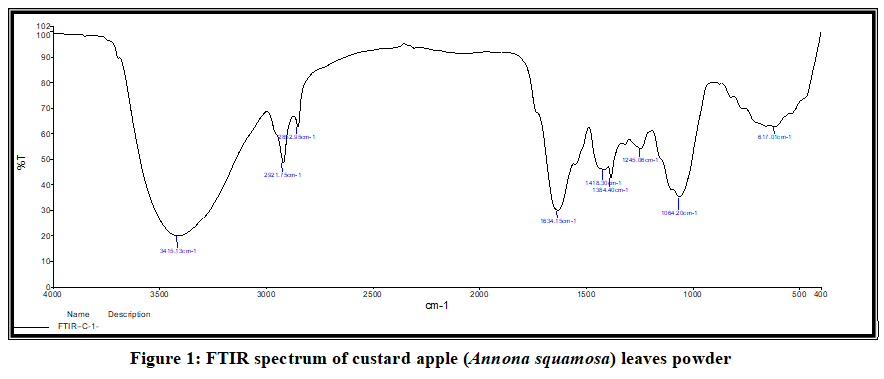
Custard apple leaf powder's FTIR spectrum demonstrated the existence of several functional groups linked to efficient coagulation behavior, as seen in Figure 1 and Table 2.
 | Figur 1: FTIR spectrum of custard apple (Annona squamosa) leaves powder
|
Table 2: Functional group of custard apple leaf powder
SI.NO | Peak position | Peak range | Group | Class | Peak Details |
1. | 3415.13 | 3200-3550 | O-H stretching | alcohol | strong, broad |
2. | 2921.75 | 2500-3300 2700-3200 2800-3000 2840-3000 | O-H stretching O-H stretching N-H stretching C-H stretching | carboxylic acid alcohol amine salt alkane | strong, broad weak, broad strong, broad medium |
3. | 2852.95 | 2840-3000 | C-H stretching | alkane | medium |
4. | 1634.15 | 1626-1662 1600-1650 1580-1650 1566-1650 | C=C stretching C=C stretching N-H stretching C=C stretching | alkene conjugated alkene amine cyclic alkene | Medium Medium Medium Medium |
5. | 1418.30 | 1395-1440 1330-1420 | O-H bending O-H bending | carboxylic acid alcohol | Medium Medium |
6. | 1384.40 | 1380-1390 1330-1420 1380-1415 1380-1410 1000-1400 1310-1390 | C-H bending O-H bending S=O stretching S=O stretching C-F stretching O-H bending | Aldehyde Alcohol Sulfate sulfonyl chloride fluoro compound phenol | Medium Medium Strong Strong Strong Medium |
7. | 1245.06 | 1000-1400 1200-1275 1020-1250 | C-F stretching C-O stretching C-N stretching | fluoro compound alkyl aryl ether amine | Strong Strong Medium |
8. | 1064.20 | 1000-1400 1020-1250 | C-F stretching C-N stretching | fluoro compound amine | Strong Medium |
9. | 617.01 | 550-850 515-690 | C–H bending (out-of-plane) | Aromatic compounds (lignin) | Weak–Medium |
FESEMMagnificationof Custard Apple Leaf Powder with EDAX
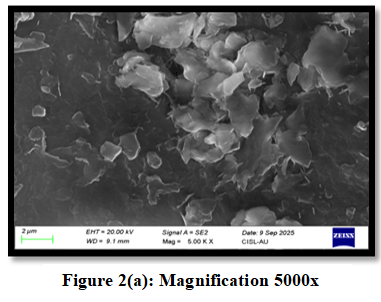
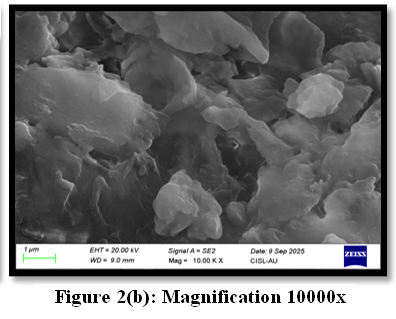
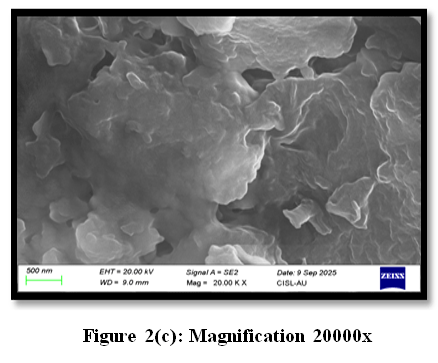
The surface morphology was examined using Field Emission Scanning Electron Microscopy (FE-SEM)and microstructural characteristics of the custard apple (Annona squamosa) leaf powder used as a natural coagulant. The morphological features were examined at magnifications of 5000×, 10 000×, and 20 000× to understand the surface texture and structural attributes relevant to the coagulation process.
 | Fgure 2(a): Magnification 5000x
|
 | Figure 2(b): Magnification 10000x
|
 | Figure 2(c): Magnification 20000x
|
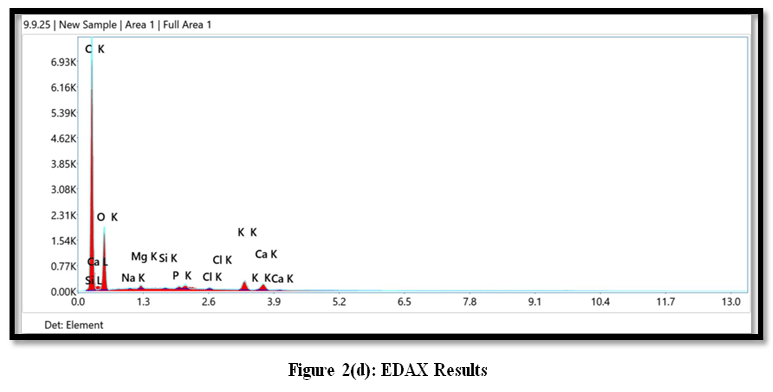 | Figure 2(d): EDAX Results
|
Experimental Graph Results
pH
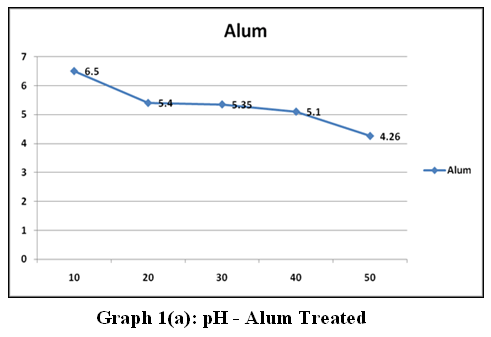 | Graph 1(a): pH - Alum Treated
|
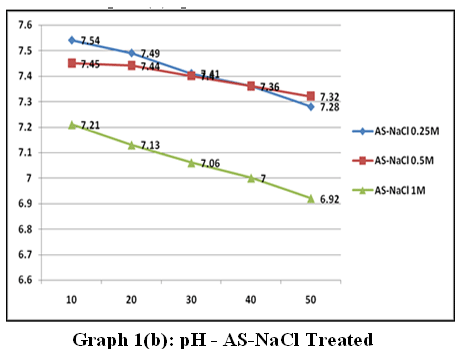 | Graph 1(b): pH - AS-NaCl Treated
|
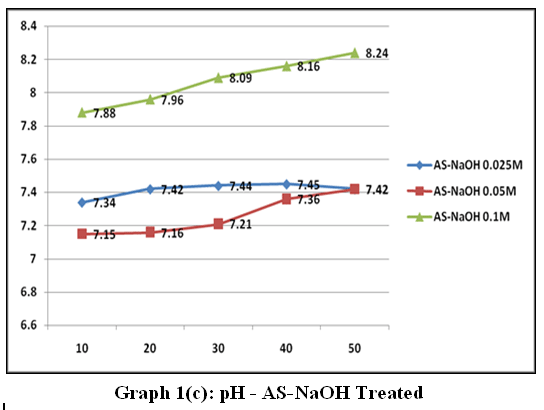 | Graph 1(c): pH - AS-NaOH Treated
|
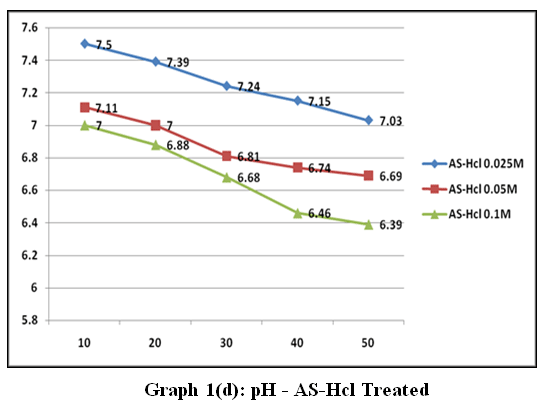 | Graph 1(d): pH - AS-Hcl Treated
|
Turbidity (NTU)
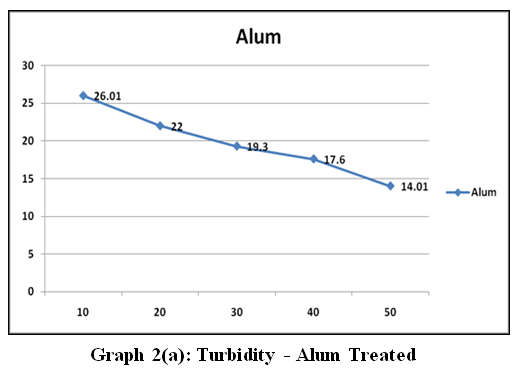 | Graph 2(a): Turbidity - Alum Treated
|
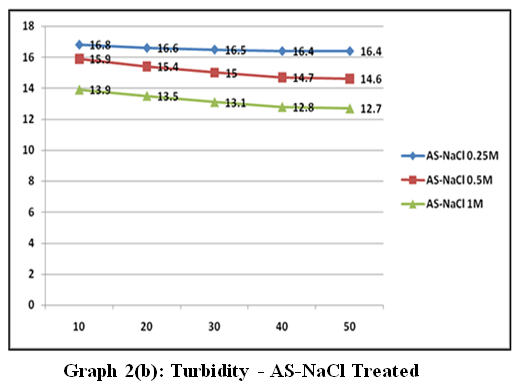 | Graph 2(b): Turbidity - AS-NaCl Treated
|
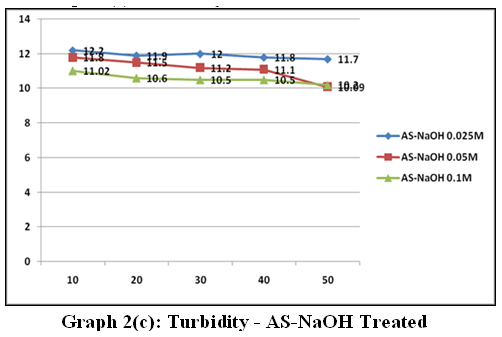 | Graph 2(c): Turbidity - AS-NaOH Treated
|
 | Graph 2(d): Turbidity - AS-Hcl Treated
|
Total Hardness (mg/l)
 | Graph 3(a): Hardness - Alum Treated
|
 | Graph 3(b): Hardness - AS-NaCl Treated
|
 | Graph 3(c): Hardness - AS-NaOH Treated
|
 | Graph 3(d): Hardness - AS-Hcl Treated
|
Acidity (mg/l)
 | Graph 4(a): Acidity - Alum Treated
|
 | Graph 4(b): Acidity - AS-NaCl Treated
|
 | Graph 4(c): Acidity - AS-NaOH Treated
|
 | Graph 4(d): Acidity - AS-Hcl Treated
|
Alkalinity (mg/l)
 | Graph 5(a): Alkalinity - Alum Treated
|
 | Graph 5(b): Alkalinity - AS-NaCl Treated
|
 | Graph 5(c): Alkalinity - AS-NaOH Treated
|
 | Graph 5(d): Alkalinity - AS-Hcl Treated
|
Dissolved Solids (TDS)
 | Graph 6(a): TDS - Alum Treated
|
 | Graph 6(b): TDS - AS-NaCl Treated
|
.gif) | Graph 6(c): TDS - AS-NaOH Treated
|
 | Graph 6(d): TDS- AS-Hcl Treated
|
Total Suspended Solids (TSS)
 | Graph 7(a): TSS - Alum Treated
|
 | Graph 7(b): TSS - AS-NaCl Treated
|
 | Graph 7(c): TSS - AS-NaOH Treated
|
 | Graph 7(d): TSS - AS-Hcl Treated
|
Chloride (mg/l)
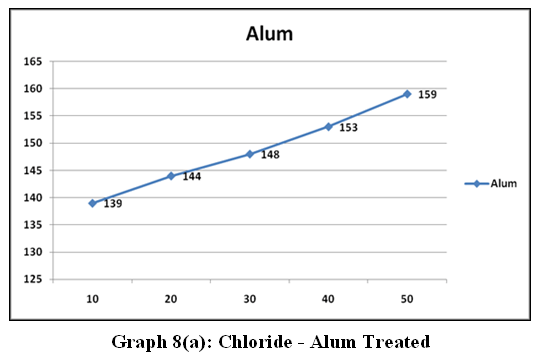 | Graph 8(a): Chloride - Alum Treated
|
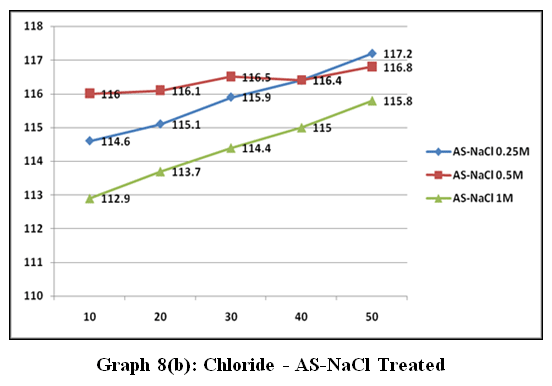 | Graph 8(b): Chloride - AS-NaCl Treated
|
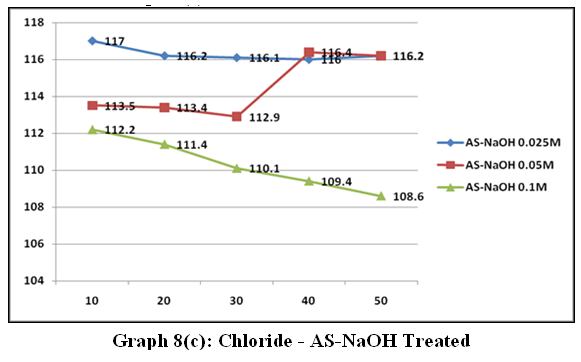 | Graph 8(c): Chloride - AS-NaOH Treated
|
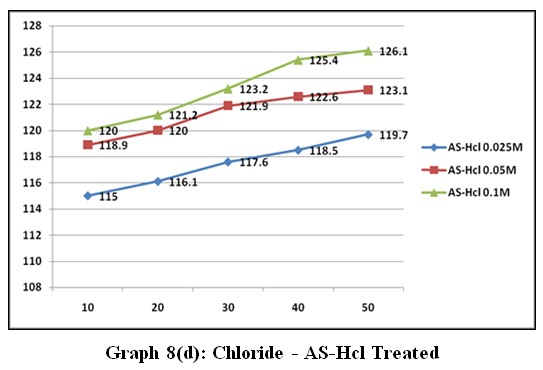 | Graph 8(d): Chloride - AS-Hcl Treated
|
Residual Chlorine (mg/l)
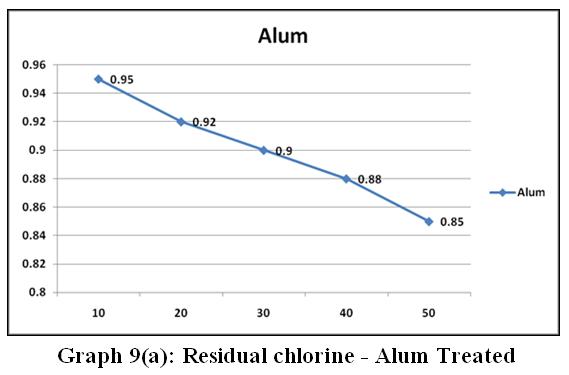 | Graph 9(a): Residual chlorine - Alum Treated
|
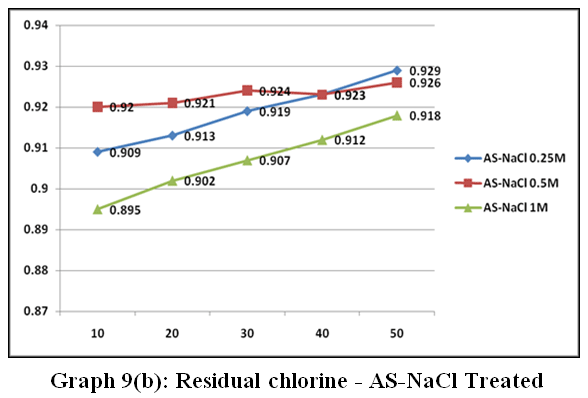 | Graph 9(b): Residual chlorine - AS-NaCl Treated
|
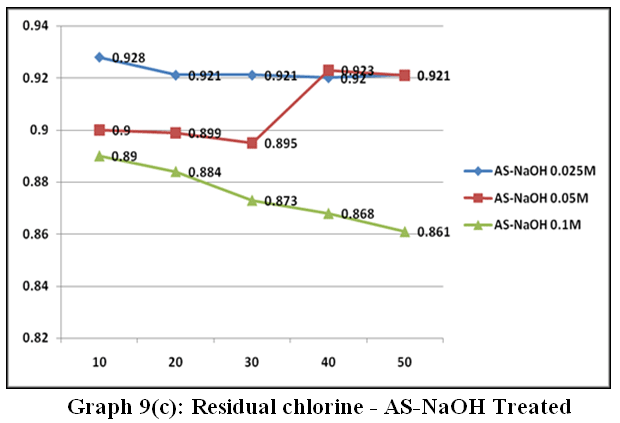 | Graph 9(c): Residual chlorine - AS-NaOH Treated
|
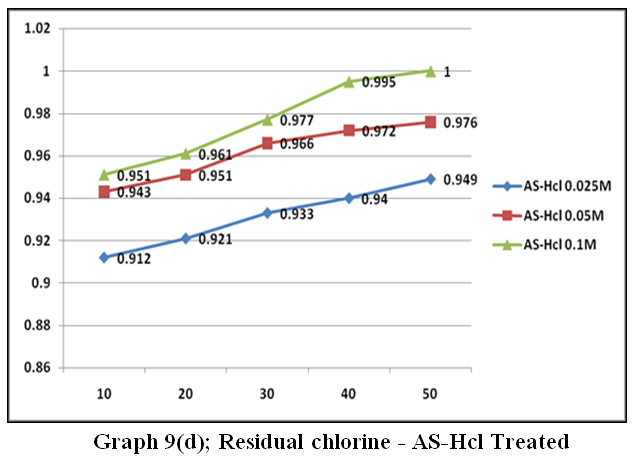 | Graph 9(d): Residual chlorine - AS-Hcl Treated
|
Discussion
FTIR Analysis
The presence of hydroxyl groups is shown by the strong and large absorption band at 3415.13 cm-1, which corresponds to O–H stretching vibrations typically associated with alcohols and phenolic compounds. The broad nature of this peak suggests extensive hydrogen bonding, which enhances adsorption and polymer bridging during the coagulation–flocculation process. Similar observations have been reported in previous studies.24Distinct absorption peaks at 2921.75 cm-1 and 2852.95 cm-1 were attributed to O–H stretching of carboxylic acids and alcohols, N–H stretching of amine salts, and C–H stretching vibrations of aliphatic alkane groups. The presence of carboxylic and amine functionalities indicates the coexistence of both acidic and basic sites within the leaf biomass, facilitating electrostatic interactions with oppositely charged colloidal particles present in greywater. Similar functional groups have also been reported in eucalyptus leaf biomass that has been activated by both acid and base in previous studies25Furthermore, the role of biomass promoting electrostatic interactions during pollutant removal has been widely reported in the literature.26 The absorption band at 1634.15 cm-1 was related to C=C stretching vibrations of alkenes and conjugated alkenes, along with contributions from N–H bending of amine groups. These functional groups are commonly associated with aromatic and protein-based structures in plant materials and contribute to adsorption and floc strengthening through intermolecular bonding. Previous studies have highlighted the significant roles of alkene and amine functional groups play in coagulation and flocculation mechanisms.27-31Medium-intensity peaks observed at 1418.30 cm-1 and 1384.40 cm-1 correspond to O–H bending vibrations of carboxylic acids, alcohols, and phenolic compounds, as well as C–H bending of aldehydes. In addition, strong absorption bands in this region indicate the presence of sulfate and sulfonyl functional groups (S=O stretching), which can enhance coagulation efficiency by promoting charge neutralization and complex formation with suspended impurities. Previous studies have reported that carboxylic acids, alcohols, phenolic compounds, and aldehydes play significant roles in contaminant neutralization and floc formation during the coagulation–flocculation process.29, 30,1
The peak observed at 1245.06 cm-1 is attributed to C–O stretching vibrations of ether groups and possible C–N stretching vibrations of amine groups. These functional groups are commonly associated with oxygenated organic compounds present in plant biomass and may indicate the presence of polysaccharide- or protein-related structures. However, FTIR analysis identifies functional groups rather than specific biomolecules therefore, complementary analytical techniques would be required for definitive compositional confirmation.Previous studies have reported that protein polymers and polysaccharides play crucial roles in enhancing adsorption, polymer bridging, and charge neutralization during the coagulation process.29 A strong absorption band at 1064.20 cm-1 corresponds to C–N stretching vibrations of amine groups, further supporting the presence of nitrogen-containing compounds that contribute positively charged sites essential for destabilizing negatively charged colloidal particles in greywater. Previous studies have reported that positively charged functional groups play an important role in attracting negatively charged components during the coagulation processwithin nitrogen compounds.32 Low wavenumber peaks observed at 617.01 cm-1 were assigned to C–Cl and C–Br stretching vibrations, demonstrating the existence of halo compounds naturally occurring in plant biomass. The presence of halo compounds in plant leaves of C. molle has also been reported in previous studies.33 Although these groups do not directly participate in coagulation, they reflect the complex chemical composition of the leaf material. Overall, the FTIR results confirm that custard apple leaf powder contains abundant hydroxyl, carboxyl, amine, polysaccharide, and aromatic functional groups. These groups collectively promote coagulation through charge neutralization, adsorption, and polymer bridging mechanisms. The presence of such diverse functional moieties supports the observed efficiency of custard apple leaf extract in greywater treatment and validates its suitability as a natural coagulant.
FESEM Analysis
At a magnification of 5000× shown in figure 2 (a), the FE-SEM image reveals irregular, flaky and plate-likestructures with uneven edges and non-uniform particle distribution. The particles appear as thin, fractured sheets with relatively large lateral dimensions, indicating the breakdown of the fibrous plant matrix during drying and grinding. Such flaky morphology is characteristic of lignocellulosic materials and suggests the presence of exposed surface planes, which can enhance contact between the coagulant particles and suspended impurities in greywater. Previous studies have reported that lingocellulosic plant based materials are effective in removing various pollutants from wastewater.34
When the magnification is increased to 10,000×shown in figure 2 (b), the surface morphology becomes more pronounced, showing overlapping and layered sheet-like structures with visible folds and wrinkles. The layered arrangement indicates a heterogeneous surface with multiple adsorption sites. Previous studies have reported that overlapping plate-like structures can act as active sites for adsorption.35 The presence of folds and inter-sheet spaces increases surface roughness, which is beneficial for adsorption and polymer bridging mechanisms during coagulation. This structural heterogeneity supports the interaction between the functional groups identified in FTIR analysis and the colloidal particles present in greywater.
At a higher magnification of 20,000× shown in figure 2 (c),the FE-SEM image clearly exhibits a rough and irregular surfacewith the presence ofmicro-voids, crevices, and fine cracks distributed across the particle surface. These micro-voids create localized regions that can facilitate the physical entrapment of suspended solids and promote particle aggregation. The absence of smooth or compact surfaces further indicates that the material possesses a high degree of surface irregularity, which is advantageous for coagulation–flocculation processes.
Overall, the FE-SEM analysis confirms that the custard apple leaf powder possesses a non-uniform, rough, and layered morphology with abundant surface irregularities. Such features are favorable for natural coagulation, as they enhance adsorption, charge neutralization, and bridging between suspended particles in greywater. The observed morphological characteristics complement the functional groups identified through FTIR analysis and collectively explain the effective removal of turbidity, total suspended solids, and other contaminants observed during jar test experiments.
The spectrum is dominated by strong peaks that represent oxygen (O) and carbon (C), indicating that the material is primarily organic in nature. The high carbon content is attributed to plant-based biopolymers such as cellulose, hemicellulose, lignin, proteins, and polyphenolic compounds, while oxygen reflects the abundance of functional groupings that contain oxygen (–OH, –COOH, –C=O), which are known to play a critical role in coagulation and adsorption processes. Minor but distinct peaks of calcium (Ca), potassium (K), magnesium (Mg), sodium (Na), phosphorus (P), chloride (Cl), andsulfur (S) were also observed shown in Figure 2 (d). The presence of Ca and Mg contributes to charge neutralization and inter-particle bridging, enhancing floc formation during coagulation. Potassium and sodium are naturally occurring mineral constituents of plant tissues and may assist in surface charge interactions. Phosphorus and sulfur indicate the presence of phosphates and sulfur-containing biomolecules, which can further support adsorption and complexation mechanisms. The detection of chloride is attributed to inherent plant salts and possible residual ions associated with extraction or sample preparation. No significant heavy metal peaks were detected in the EDAX spectrum, suggesting that their concentrations, if present, are below the detection limit of the instrument. Since EDAX is a semi-quantitative technique, further validation using more sensitive analytical methods would be required for complete environmental safety confirmation. Overall, the EDAX results validate that the material possesses a carbon-rich, mineral-assisted surface, which supports effective coagulation via processes such polymer bridging, adsorption, and charge neutralization. These findings strongly complement the observed reductions in turbidity, TSS, TDS, and other water quality parameters during jar test experiments.
Physiochemical Parameter Analysis
Effect of Coagulation on pH
The raw greywater exhibited a near-neutral pH of 7.7, which falls within the BIS permissible range of 6.5–8.5. After treatment, noticeable differences in pHbehavior were observed between the conventional coagulant (alum) and the custard apple leaf extract–based natural coagulant. Alum addition caused a progressive decrease in pH with increasing dosage. The pH reduced from 6.5 at 10 mlto4.26 at 50 ml, shown in graph 1 (a) indicating significant acidification of the treated water. Except for the lowest dosage, alum-treated samples largely fell below the BIS permissible limit, making them unsuitable for reuse without post-treatment pH correction. In contrast, treatment using custard apple leaf extract maintained the pH of greywater largely within the BIS range for all extraction media and dosages. For NaCl extractions (0.25, 0.5, and 1 M), shown in graph 1 (b) pH values remained close to neutrality, ranging from 7.54 to 6.92, with only a slight decreasing trend at higher dosages. Similarly, NaOH extractions (0.025 and 0.05 M), shown in graph 1 (c) showed stable pH values between 7.15 and 7.45, while higher NaOH concentration resulted in a mild alkaline shift (7.88–8.24) that still remained within BIS limits. For HCl extractions, a gradual reduction in pH was observed with increasing dosage; however, the pH values (7.50 to 6.39) shown in graph 1 (d) were mostly within or marginally close to the acceptable range, without severe acidification.Overall, the results demonstrate that custard apple leaf extract causes minimal pH disturbance compared to alum. While alum significantly lowers pH due to hydrolysis and acid formation, the natural coagulant preserves near-neutral conditions owing to its organic functional groups and buffering capacity. Therefore, in terms of pH stability and compliance with BIS standards, the natural coagulant clearly outperforms the conventional alum coagulant, making it more suitable for greywater treatment and reuse applications.
Effect of Coagulation on Turbidity (NTU)
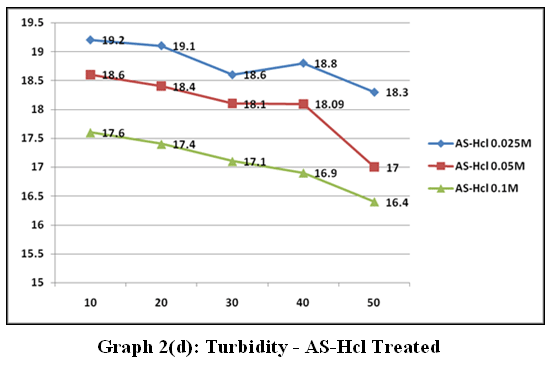
The raw greywater exhibited very high turbidity of 143 NTU, reflecting a substantial presence of suspended and colloidal impurities. After coagulation treatment, a clear reduction in turbidity was observed for both the conventional coagulant (alum) and the custard apple leaf extract–based natural coagulant. Alum treatment resulted in a progressive decrease in turbidity with increasing dosage, reducing turbidity from 26.01 NTU at 10 mlto 14.01 NTU at 50 ml shown in graph 2 (a). Although alum showed effective turbidity removal compared to the raw greywater, the treated turbidity values remained above the BIS limit 5 NTU for all tested dosages. Custard apple leaf extract also demonstrated significant turbidity reduction, with performance varying according to extraction medium and molarity. For NaCl extractions, turbidity decreased gradually with increasing molarity and dosage, with the 1 M NaCl extract achieving the lowest value of 12.7 NTU at 50 ml dosage shown in graph 2 (b). Among all natural coagulant systems, NaOH extractions exhibited the highest turbidity removal, particularly at 0.1 M, where turbidity was reduced to 10.2 NTU at 50 ml dosage shown in graph 2 (c). In contrast, HCl extractions showed comparatively lower turbidity removal efficiency, with final turbidity values ranging from 18.3 to 16.4 NTU shown in graph 2 (d) even at higher molarities and dosages.When compared with the BIS limit, none of the treated samples either alum or natural coagulant achieved turbidity values within the prescribed range. However, relative to alum, the custard apple leaf extract (especially NaOH-based extraction) achieved lower final turbidity values, indicating better performance under the studied conditions. Overall, while alum is traditionally considered an effective coagulant, the results indicate that the natural coagulant outperformed alum in turbidity reduction at optimized conditions, without introducing excessive chemical load. The turbidity removal by custard apple leaf extract can be attributed to adsorption, charge neutralization, and polymer-bridging mechanisms facilitated by its organic functional groups and heterogeneous surface structure.
Effect of Coagulation on Total Hardness (mg/l)
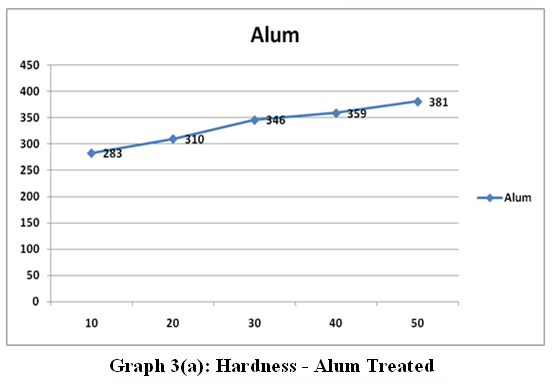
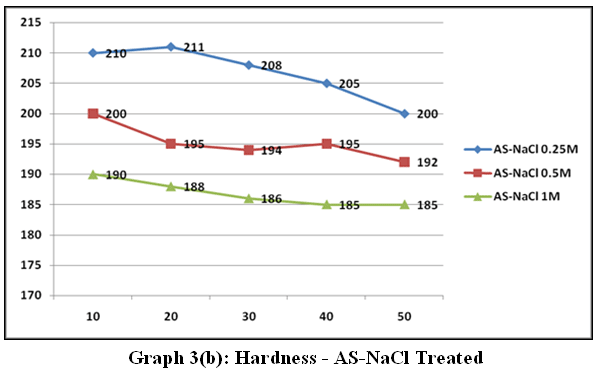
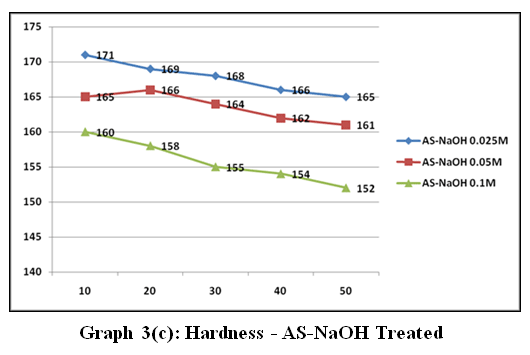
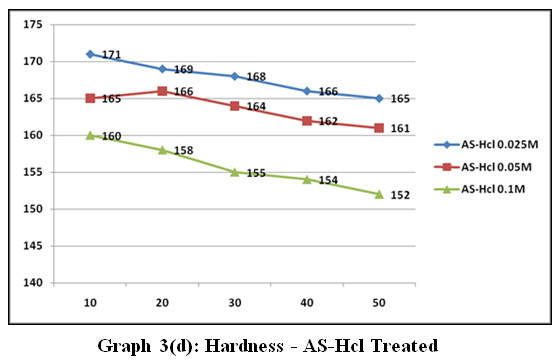
The raw greywater exhibited very high total hardness of 595 mg/l, indicating excessive concentrations of calcium and magnesium salts and exceeding the BIS permissible limit of 200 mg/l. After coagulation treatment, a noticeable reduction in hardness was observed for both alum and custard apple leaf extract; however, their performances differed significantly. Alum treatment resulted in a partial reduction in hardness, with values ranging from 283 mg/l at 10 ml dosageto381 mg/l at 50 ml dosage shown in graph 3 (a). Although alum reduced hardness compared to raw greywater, the treated water remained well above the BIS limit at all dosages, and an increasing trend at higher dosages suggests limited effectiveness in hardness removal. In contrast, custard apple leaf extract showed substantially better hardness reduction, strongly influenced by extraction medium and molarity. For NaCl extractions, hardness values decreased progressively with increasing molarity, with 1 M NaCl extractionachieving values as low as 185 mg/l shown in graph 3 (b), which is within the BIS limit. NaOH extractions exhibited the highest hardness removal efficiency, particularly at 0.1 M, where hardness was reduced to 152 mg/l at 50 ml dosage shown in graph 3 (c), well below the BIS limit. For HCl extractions, hardness values ranged from 202 to 171 mg/l shown in graph 3 (d), with higher molarity and dosage leading to compliance with the BIS standard. Compared with the BIS limit of 200 mg/l, several natural coagulant treatments particularly NaOH and higher molarity NaCl and HCl extracts resulted in final hardness values within the permissible range. The observed reduction may be associated with secondary effects such as precipitation or floc entrapment rather than direct coagulation of dissolved hardness ions. In contrast, alum-treated samples did not consistently meet the prescribed standard under the tested conditions. Overall, the results clearly indicate that the custard apple leaf extract is more effective than the conventional alum coagulant in hardness reduction. The superior performance of the natural coagulant can be attributed to the adsorption and complexation of hardness-causing ions by functional groups present in the plant extract, while alum primarily acts through particle destabilization rather than ionic removal.
Effect of Coagulation on Acidity (mg/l)
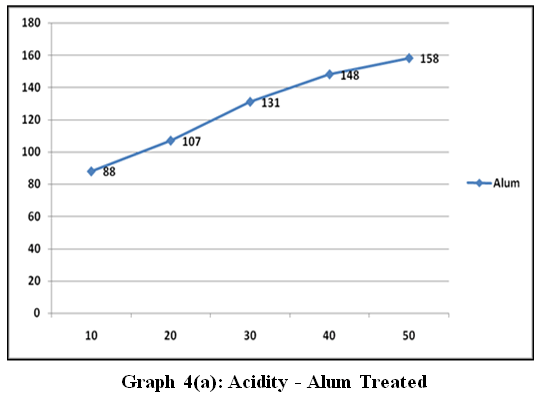
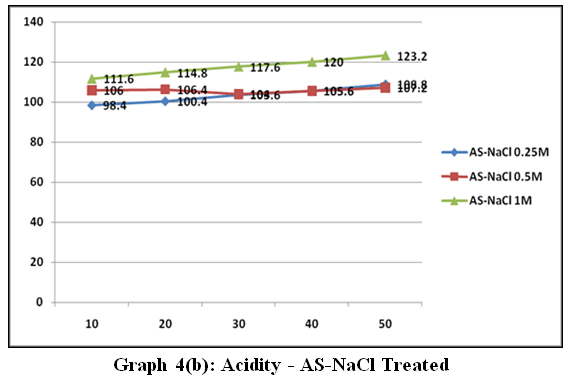
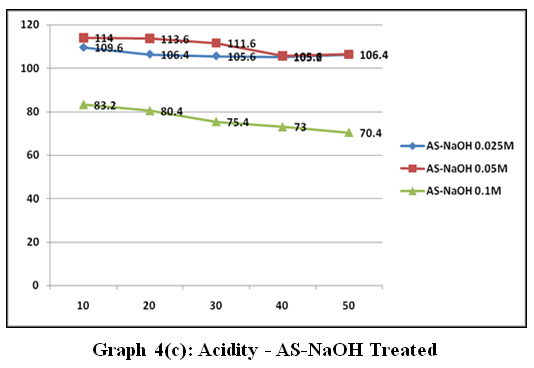
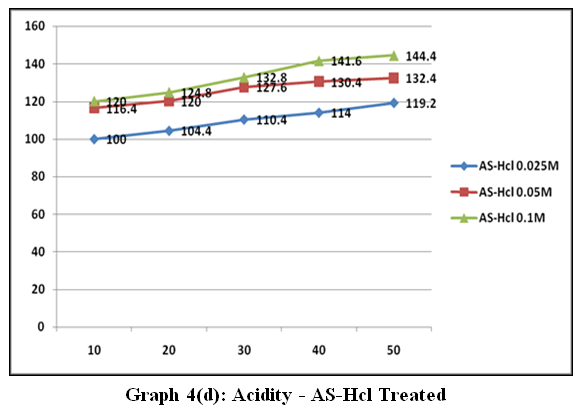
The raw greywater exhibited a high acidity of 373 mg/l, indicating a substantial presence of acidic constituents originating from domestic wastewater sources but there is no BIS limit for acidity. After coagulation treatment, a marked reduction in acidity was observed for both alum and custard apple leaf extract, with the extent of reduction strongly dependent on coagulant type, extraction medium, molarity, and dosage. Alum treatment resulted in a significant decrease in acidity, reducing values from 88 mg/l at 10 ml dosage to 158 mg/l at 50 ml dosage shown in graph 4 (a). Although acidity increased slightly with higher alum dosages, the treated values remained substantially lower than the raw greywater, demonstrating effective neutralization of acidic components. Custard apple leaf extract also showed considerable acidity reduction, with varying trends across extraction media For NaCl extractions, acidity values ranged between 98.4 and 123.2 mg/l shown in graph 4 (b), with a gradual increase observed at higher molarities and dosages. NaOH extractions exhibited the most pronounced acidity reduction, particularly at 0.1 M, where acidity decreased steadily from 83.2 mg/l to 70.4 mg/l with increasing dosage shown in graph 4 (c), representing the lowest acidity values among all treatments. In contrast, HCl extractionsshowed relatively higher acidity levels, increasing with both molarity and dosage and ranging from 100 to 144.4 mg/l shown in graph 4 (d). Although no BIS limit is prescribed for acidity, comparative analysis indicates that custard apple leaf extract prepared using NaOH extraction especially at 0.1 M was more effective than alum in reducing acidity to lower residual levels. The superior performance of the natural coagulant can be attributed to the neutralizing and adsorption capacity of its organic functional groups, whereas alum primarily reduces acidity through chemical reactions that may introduce additional acidic species at higher dosages. Overall, the results demonstrate that the natural coagulant offers better control over acidity compared to the conventional alum coagulant, with NaOH-based extraction showing the most favorable performance.
Effect of Coagulation on Alkalinity (mg/l)
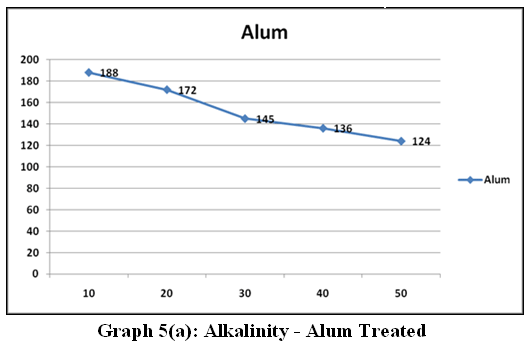
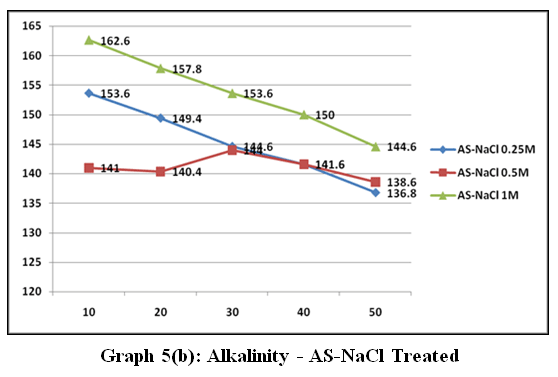
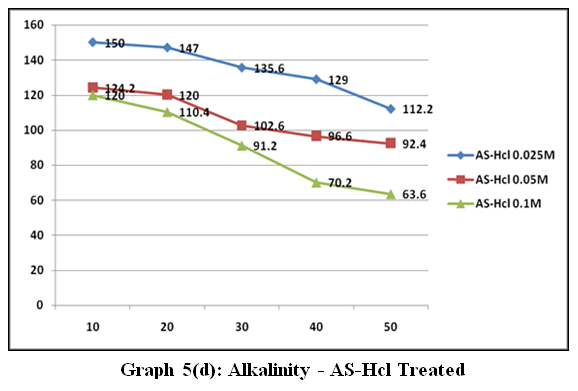
The raw greywater exhibited high alkalinity of 464 mg/l, indicating excessive buffering capacity and exceeding the BIS permissible limit of 200 mg/l. After coagulation treatment, a substantial reduction in alkalinity was observed for both alum and custard apple leaf extract, with removal efficiency varying according to coagulant type, extraction medium, molarity, and dosage. Alum treatment resulted in a consistent decrease in alkalinity with increasing dosage, reducing values from 188 mg/l at 10 ml to 124 mg/l at 50 ml shown in graph 5 (a). All alum-treated samples achieved alkalinity levels within the BIS limit, indicating effective reduction of bicarbonate and carbonate alkalinity. Custard apple leaf extract also showed effective alkalinity reduction across all extraction media. For NaCl extractions, alkalinity values decreased gradually with dosage and molarity, ranging from 162.6 to 136.8 mg/l shown in graph 5 (b), remaining within BIS limits for all cases. NaOH extractions exhibited a mixed trend: lower molarities (0.025 and 0.05 M) maintained alkalinity within acceptable limits, whereas 0.1 M NaOH extraction showed an increasing trend, with values rising up to 206.4 mg/l shown in graph 5 (c), slightly exceeding the BIS limit at higher dosages. In contrast, HCl extractions demonstrated the most pronounced alkalinity reduction, particularly at 0.1 M, where alkalinity decreased sharply from 120 mg/l to 63.6 mg/lshown in graph 5 (d) with increasing dosage. Compared with BIS standard, both alum and natural coagulant treatments achieved compliant alkalinity levels, except for the higher dosage 0.1 M NaOH extracts, which marginally exceeded the limit. Overall performance indicates that custard apple leaf extract especially HCl based extraction was more effective than alum in reducing alkalinity to lower residual levels, while maintaining chemical simplicity.
Effect of Coagulation on Total Dissolved Solids (TDS)
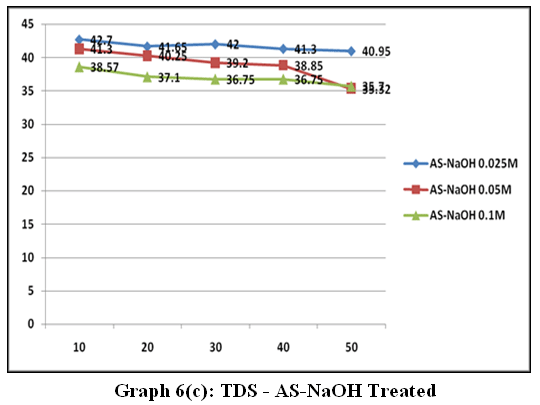
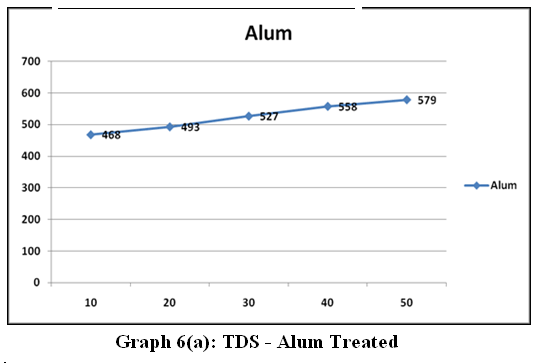
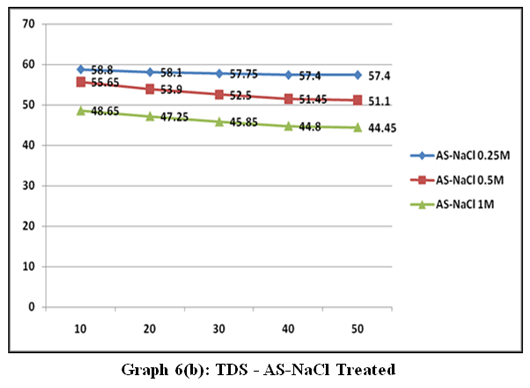
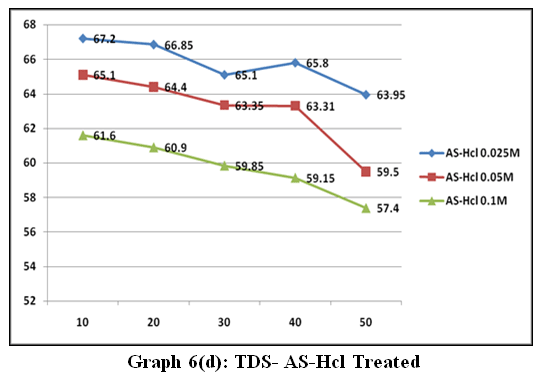
The raw greywater exhibited very high TDS of 1952 mg/l, far exceeding the BIS permissible limit of 500 mg/l, indicating a high concentration of dissolved inorganic and organic substances. After coagulation treatment, significant changes in TDS were observed for both the conventional coagulant (alum) and the custard apple leaf extract based natural coagulant. Alum treatment resulted in a substantial reduction in TDS, with values ranging from 468 mg/l at 10 ml dosage to 579 mg/l at 50 ml dosage shown in graph 6 (a). While lower alum dosages reduced TDS to within or close to the BIS limit, higher dosages led to an increase in residual TDS, likely due to the contribution of dissolved aluminum salts. In contrast, custard apple leaf extract showed remarkably higher TDS removal efficiency across all extraction media. For NaCl extractions, TDS values ranged from 58.8 to 44.45 mg/l shown in graph 6 (b), showing a consistent decrease with increasing molarity and dosage. NaOH extractions demonstrated the best performance, particularly at 0.1 M, where TDS was reduced to 35.7 mg/l at 50 ml dosage shown in graph 6 (c). HCl extractions also achieved effective TDS reduction, with final values ranging from 67.2 to 57.4 mg/l shown in graph 6 (d). Compared with the BIS limit of 500 mg/l, all natural coagulant treatments achieved TDS values well within the permissible range, whereas alum-treated samples showed compliance only at lower dosages. Overall, the results clearly indicate that the custard apple leaf extract outperformed the conventional alum coagulant in TDS reduction, with NaOH-based extraction showing the most effective performance.
Effect of Coagulation on Total Suspended Solids (TSS)
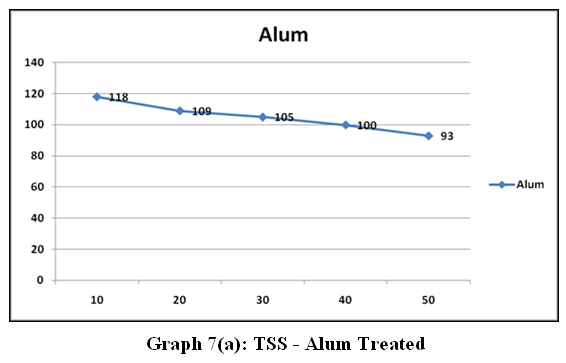
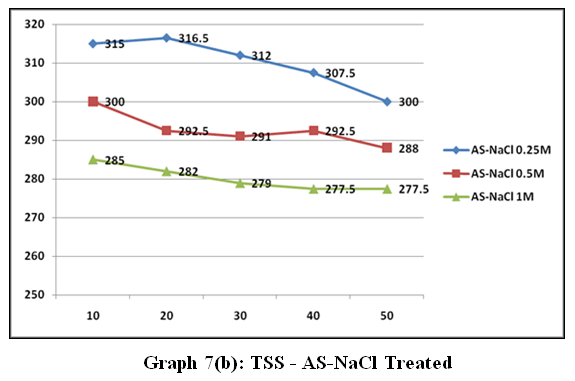
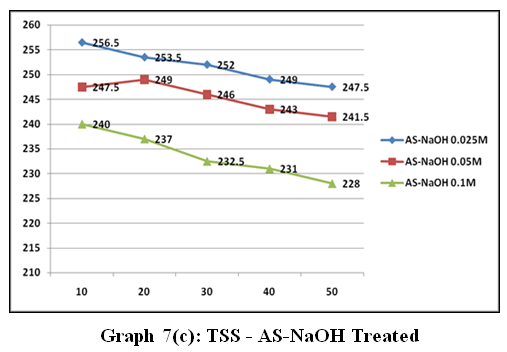
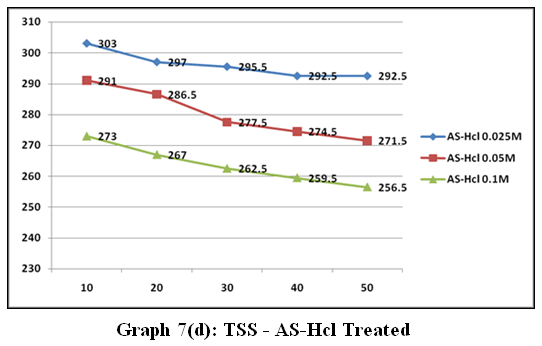
The raw greywater exhibited very high TSS of 1143 mg/l, indicating a substantial load of suspended matter originating from domestic activities but there is no BIS limit. After coagulation treatment, a marked reduction in TSS was observed for both alum and custard apple leaf extract, with removal efficiency varying according to coagulant type, extraction medium, molarity, and dosage. Alum treatment resulted in the highest TSS reduction, with values decreasing from 118 mg/l at 10 ml dosage to 93 mg/l at 50 ml dosage shown in graph 7 (a), indicating highly effective destabilization and settling of suspended particles.Custard apple leaf extract also demonstrated substantial TSS reduction across all extraction systems. For NaCl extractions, TSS values decreased gradually with increasing molarity and dosage, with the 1 M NaCl extract achieving 277.5 mg/lat higher dosages shown in graph 7 (b). NaOH extractions exhibited superior performance among natural coagulants, particularly at 0.1 M, where TSS steadily reduced from 240 mg/l to 228 mg/l shown in graph 7 (c), representing the lowest TSS values among all natural coagulant treatments. HCl extractions showed moderate efficiency, with final TSS values ranging from 303 to 256.5 mg/l shown in graph 7 (d), depending on molarity and dosage. Alum produced the lowest final TSS concentration among the tested coagulants. However, custard apple leaf extract also achieved substantial TSS reduction relative to raw greywater. Statistical analysis indicated that treatment conditions significantly influenced TSS levels (p < 0.05), demonstrating that both coagulants were effective under the tested conditions. Among natural coagulants, NaOH based extraction at higher molarity demonstrated the best performance, attributed to enhanced adsorption, charge neutralization, and polymer-bridging mechanisms facilitated by organic functional groups and favorable surface morphology. Overall, while alum remains the most effective in TSS removal, thecustard apple leaf extract presents a viable and environmentally sustainable alternative, achieving substantial suspended solids reduction with reduced chemical loading.
Effect of coagulation on Residual Chlorine (mg/l)
The raw greywater showed a residual chlorine concentration of 2.84 mg/l, which is abovethe BIS permissible limit of 1 mg/l, indicating the need for treatment before reuse. After treatment with alum, residual chlorine decreased steadily with increasing dosage, from 0.95 mg/l at 10 ml to 0.85 mg/l at 50 ml shown in graph 9 (a), andremained within the BIS limit at all dosages. The decrease in residual chlorine following treatment may be attributed to its reaction with organic constituents and partial adsorption onto flocs, rather than coagulation-driven particle destabilization alone.Treatment using custard apple leaf extract also resulted in residual chlorine values well within the BIS limit for all extraction media and dosages. For NaCl extractions (0.25–1 M) residual chlorine values ranged from 0.895 to 0.929 mg/l shown in graph 9 (b), showing stable and consistent control with increasing dosage. NaOH extracted coagulants, particularly at 0.1 M, showed a gradual decrease from 0.89 to 0.861 mg/l shown in graph 9 (c), indicating the highest chlorine reduction among natural coagulants. In the case of HCl extractions, residual chlorine increased slightly with dosage; however, values remained within the BIS limit, reaching 1 mg/l at 50 ml for 0.1 M HCl shown in graph 9 (d), which is the maximum permissible level.The reduction in residual chlorine using the natural coagulant can be attributed to adsorption and interaction of chlorine species with bioactive functional groups present in the custard apple leaf extract. Overall, both alum and custard apple leaf extract effectively reduced residual chlorine to acceptable levels. However, the natural coagulant demonstrated more stable and controlled residual chlorine concentrations, with NaOH extracted custard apple leaf extract performing best, making it a more sustainable and environmentally preferable alternative to the conventional coagulant.
Effect of coagulation on Chloride (mg/l)
The raw greywater exhibited a chloride concentration of 520 mg/l, which is above the BIS permissible limit of 250 mg/l, indicating excessive salinity and the need for treatment prior to reuse. After treatment with alum, chloride concentrations were significantly reduced to 139–159 mg/lacross dosages of 10–50 ml shown in graph 8 (a), and all values complied with the BIS limit. A slight increase in chloride with increasing alum dosage was observed, likely due to chloride contribution from the coagulant and charge neutralization effects. Treatment using custard apple leaf extract resulted in chloride concentrations well below the BIS limit for all extraction media and dosages. For NaCl-extracted coagulants (0.25–1 M), chloride values remained stable in the range of 112.9–117.2 mg/l shown in graph 8 (b), with only marginal changes as dosage increased. NaOH extraction, particularly at 0.1 M, showed a consistent decreasing trend from 112.2 to 108.6 mg/l shown in graph 8 (c), indicating the highest chloride reduction among natural coagulants. In contrast, HCl-extracted coagulants showed a gradual increase in chloride with increasing dosage; however, values remained within the permissible limit, ranging from 115 to 126.1 mg/l shown in graph 8 (d). The reduction in chloride using custard apple leaf extract can be attributed to adsorption and binding of chloride ions by bioactive compounds present in the leaf matrix. Overall, both alum and custard apple leaf extract effectively reduced chloride to BIS-compliant levels. However, thenatural coagulant achieved lower and more stable chloride concentrations, with NaOH extracted custard apple leaf extract performing best, demonstrating its superiority over the conventional coagulant from a sustainability and treatment efficiency perspective.
Statistical Analysis
IBM SPSS Statistics (Version 20) was used to examine all experimental data. The greywater quality parameters such as minimum, maximum, mean, standard deviation, skewness, and kurtosis—were compiled using descriptive statistics. The descriptive results indicated substantial variability between raw and treated greywater, particularly for turbidity, TSS, and TDS, reflecting the high pollution load of untreated greywater. Skewness and kurtosis values suggested non-normal distribution for most parameters, which is typical for wastewater characteristics. To evaluate the effect of treatment dosage on greywater quality, At95% confidence level (a = 0.05), a one-way analysis of variance (ANOVA) was conducted. The ANOVA results showed that coagulant dosage had a statistically significant effect (p < 0.001) on turbidity, hardness, acidity, alkalinity, TDS, TSS, chloride, and residual chlorine. In contrast, pH did not show a statistically significant difference among treatment groups (p = 0.849) shown in Table 3, indicating that the coagulation–flocculation process did not cause adverse changes in pH and maintained conditions suitable for potential reuse applications.
The magnitude of treatment impact was further assessed using effect size (eta squared, n²). Very large effect sizes were observed for turbidity (n² = 0.97), TDS (n² = 0.97), TSS (n² = 0.99), chloride (n² = 0.97), and residual chlorine (n² = 0.99), demonstrating that treatment dosage explained most of the variance in pollutant removal. Alkalinity and acidity also exhibited very large effect sizes, while hardness showed a large effect size (n² = 0.55). pH exhibited only a small effect size (n² = 0.04) shown in table 3, confirming that treatment primarily targeted contaminant removal rather than altering the acid–base balance of the water. A comparative assessment between natural coagulant (custard apple leaf extract) and conventional alum indicated that the natural coagulant achieved comparable or superior removal efficiencies for most physicochemical parameters while maintaining stable pH and lower residual concentrations. The strong statistical significance and large effect sizes associated with the natural coagulant treatments highlight their effectiveness and consistency across dosages. In contrast, alum treatment, while effective, is associated with higher chemical input and potential secondary impacts. Overall, the statistical evidence confirms that custard apple leaf extract is a technically effective and environmentally sustainable alternative to conventional chemical coagulants for greywater treatment.
Table 3: ANOVA Results
SI.No | Parameter | Min | Max | Mean ± SD | F value | Sig. (p) | n² | Effect magnitude |
1 | pH | 4.26 | 8.24 | 7.09 ± 0.74 | 0.395 | 0.849 | 0.04 | small |
2 | Turbidity (NTU) | 10.09 | 143 | 17.72 ± 18.22 | 256.101 | 0.000 | 0.97 | Very large |
3 | Hardness (mg/L) | 152 | 595 | 204.98 ± 74.86 | 11.177 | 0.000 | 0.55 | large |
4 | Acidity (mg/L) | 70.4 | 373 | 116.54 ± 40.72 | 41.701 | 0.000 | 0.82 | Very large |
5 | Alkalinity (mg/L) | 63.6 | 464 | 148.30 ± 53.91 | 23.322 | 0.000 | 0.72 | Very large |
6 | TDS (mg/L) | 35.32 | 5553 | 205.78 ± 777 | 256.934 | 0.000 | 0.97 | Very large |
7 | TSS (mg/L) | 93 | 5640 | 361.47 ± 755.97 | 1671.214 | 0.000 | 0.99 | Very large |
8 | Chloride (mg/L) | 108.6 | 520 | 127.66 ± 57.01 | 261.685 | 0.000 | 0.97 | Very large |
9 | Residual chlorine (mg/L) | 0.85 | 2.84 | 0.96 ± 0.27 | 653.287 | 0.000 | 0.99 | Very large |
Conclusion
This study demonstrates the effective application of custard apple (Annona squamosa) leaf extractas a natural coagulant for the treatment of greywater. The raw greywater exhibited high pollution levels, characterized by elevated turbidity, hardness, acidity, alkalinity, TDS, TSS, chloride, and residual chlorine. Coagulation–flocculation treatment using the plant-based coagulant resulted in substantial improvement in all evaluated physicochemical parameters across different extraction media and dosages. Among the extraction methods, NaOH-based extracts, particularly at higher molarities, showed the highest overall treatment efficiency, achieving maximum reductions in turbidity, TSS, TDS, hardness, and residual chlorine while maintaining pH within a stable and acceptable range. NaCl and HCl extracts also demonstrated effective pollutant removal, though with comparatively lower performance than NaOH extracts. The results indicate that extraction medium and dosage play a critical role in enhancing coagulation efficiency. Statistical analysis using one-way ANOVA confirmed that treatment dosage had a statistically significant effect (p < 0.001) on all parameters except pH, indicating effective contaminant removal without adversely affecting acid–base conditions. The large effect sizes (n²) observed for most parameters further confirmed the strong influence of the natural coagulant on greywater quality improvement. When compared with conventional alum treatment, the custard apple leaf extract exhibited comparable or superior performance for key parameters, with the added advantages of lower chemical input, reduced residual effects, and environmental sustainability. The findings suggest that plant-based natural coagulants can serve as a viable, eco-friendly, and cost-effective alternative to chemical coagulants for decentralized greywater treatment and reuse applications. Future research may focus on optimizing extraction conditions and coagulant dosage to further enhance treatment efficiency. Long-term stability and storage behavior of the liquid extract should be evaluated for practical applications. Pilot-scale and continuous-flow studies are recommended to assess real-field performance. The removal efficiency for organic matter and pathogens can be explored to broaden reuse potential. Overall, this study demonstrates the technical feasibility of custard apple leaf extract as a natural coagulant for greywater treatment under laboratory conditions. While promising removal performance was observed, further investigations including sludge characterization, toxicity assessment, and economic evaluation are necessary to comprehensively assess environmental sustainability and large-scale applicability.
Acknowledgment
The authors sincerely thank Dr. RamasamyJayanthi, for her invaluable guidance and support during the preparation of this article.Her insights and encouragement have been instrumental in shaping the final outcome.
Funding Sources
The author(s) received no financial support for the research, authorship, and/or publication of this article Conflict of interest
Conflict of Interest
The authors do not have any conflict of interest.
Data Availability Statement
The datasets utilized in this study can be obtained from the corresponding author upon a reasonable request.
Ethics Statement
This research did not involve human participants, animal subjects, or any material that requires ethical approval
Informed Consent Statement
This study did not involve human participants, and therefore, informed consent was not required
Permission to reproduce material from other sources
Not Applicable
Author Contributions Statement
R. Jayanthi - provided supervision, guidance, reviewed and approved the final version.
VenkataramanHarithra - performed experimental design, data collection, and analysis, drafted the manuscript.
Reference
- Benalia A, Derbal K, Amrouci Z, Baatache O, Khalfaoui A, Pizzi A. Application of Plant-Based Coagulants and Their Mechanisms in Water Treatment: A review. Journal of Renewable Materials. 2024; 12 (4) 667-698. doi:10.32604/jrm.2024.048306
CrossRef - Budeli P, Sibali LL. Greywater reuse: contaminant profile, health implications, and sustainable solutions. International Journal of Environmental Research and Public Health. 2025; 22(5):740. doi:10.3390/ijerph22050740
CrossRef - Bakare BF, Mtsweni S, Rathilal S. Characteristics of greywater from different sources within households in a community in Durban, South Africa. Journal of Water Reuse and Desalination. 2016; 7(4):520-528. doi:10.2166/wrd.2016.092
CrossRef - Chen T, Ismail N, Oh K, Tee L. Coagulation-flocculation process for greywater treatment using Chitosan and Hibiscus Sabdariffa. Journal of Physics Conference Series. 2023; 2523(1):012013. doi:10.1088/1742-6596/2523/1/012013
CrossRef - Alazaiza MYD, Alzghoul TM, Nassani DE, Bashir MJK. Natural coagulants for Sustainable wastewater treatment: Current global research Trends. Processes. 2025; 13 (6):1754. doi:10.3390/pr13061754
CrossRef - Abujazar M.S.S, Karaagac S.U, Abu Amr S.S, Alazaiza M.Y.D, Fatihah S, and Bashir M.J.K. (2022), Recent advancements in plant based natural coagulant application in the water and wastewater coagulation-flocculation process: challenges and future perspectives, Global NEST Journal, 24(4), 687-705. https://doi.org/10.30955/gnj.004380
CrossRef - Ravele M.P, Olatunde O.C, Oyewo O.A, Makgato S.S, Onwudiwe D.C. Plant-based coagulants for wastewater treatment: Recent advances and applications. Cleaner Water. 2025; 4:100147. doi:10.1016/j.clwat.2025.100147
CrossRef - Kakkar S, Dharavat N, Pammi S.V.N. A Moringa oleifera, a natural coagulant, as a potential future approach for sustainable water purification: a patent based study. Results in Engineering. 2025; 27:106630. doi:10.1016/j.rineng.2025.106630
CrossRef - Ahmad A, Abdullah S.R.S, Hasan H.A, Othman A.R, Kurniawan S.B. Aquaculture wastewater treatment using plant-based coagulants: Evaluating removal efficiency through the coagulation-flocculation process. Results in Chemistry. 2024; 7:101390. doi:10.1016/j.rechem.2024.101390
CrossRef - Kurniawan S.B, Ahmad A, Said N.S.M, Gustinasari K, Abdullah S.R.S, Imron M.F. The influence of preparation and pretreatment on the physicochemical properties and performance of plant-based biocoagulants in treating wastewater. Environmental Advances. 2023; 14:100441. doi:10.1016/j.envadv.2023.100441
CrossRef - Benalia A, Derbal K, Khalfaoui A, Pizzi A, Medjahdi G. The use of as natural coagulant in Algerian drinking water treatment plant. Journal of Renewable Materials. 2021; 10(3):625-637. doi:10.32604/jrm.2022.017848
CrossRef - Salem A.K, Almansoory A.F, Al-Baldawi I.A. Potential plant leaves as sustainable green coagulant for turbidity removal. Heliyon. 2023; 9(5):e16278. doi:10.1016/j.heliyon.2023.e16278
CrossRef - Benalia A, Derbal K, Khalfaoui A, Pizzi A, Medjahdi G. The use of as natural coagulant in Algerian drinking water treatment plant. Journal of Renewable Materials. 2021; 10 (3):625-637. doi:10.32604/jrm.2022.017848.
CrossRef - Bureau of Indian Standards. IS 3025-11 (1983): Methods of Sampling and Test (Physical and Chemical) for Water and Wastewater, Part 11: pH Value. 1983.
- Bureau of Indian Standards. IS 3025-10 (1984): Methods of Sampling and Test (Physical and Chemical) for Water and Wastewater, Part 10: Turbidity. 1984.
- Bureau of Indian Standards. IS 3025-21 (2009): Methods of Sampling and Test (Physical and Chemical) for Water and Wastewater, Part 21: Total Hardness. 2009.
- ISI. Methods of Sampling and Test (Physical and Chemical) for Water and Waste Water, Part 22: Acidity. First Revision. Indian Standards Institution; 1986.
- Bureau of Indian Standards. IS 3025-23 (1986): Methods of Sampling and Test (Physical and Chemical) for Water and Wastewater, Part 23: Alkalinity. 1986.
- Bureau of Indian Standards. IS 3025-16 (1984): Methods of Sampling and Test (Physical and Chemical) for Water and Wastewater, Part 16: Filterable Residue (Total Dissolved Solids). 1984.
- IS 3025-17 (1984): Methods of Sampling and Test (Physical and Chemical) for Water and Wastewater, Part 17: Non-filterable Residue (Total Suspended Solids). 1984:1.
- Bureau of Indian Standards. IS 3025-26 (1986): Methods of Sampling and Test (Physical and Chemical) for Water and Wastewater, Part 26: Chlorine, Residual. 1986.
- Bureau of Indian Standards. IS 3025-32 (1988): Methods of Sampling and Test (Physical and Chemical) for Water and Wastewater, Part 32: Chloride.1988.
- Bureau of Indian Standards. Drinking water specification. IS 10500:2012.
- Yu X, Somasundaran .P. Role of polymer conformation in Interparticle-Bridging dominated flocculation. Journal of Colloid and Interface Science. 1996; 177(2):283-287. doi:10.1006/jcis.1996.0033
CrossRef - Mishra V, Balomajumder C, Agarwal V.K. Zn(II) Ion Biosorption onto Surface of Eucalyptus Leaf Biomass: Isotherm, Kinetic, and Mechanistic Modeling. Clean - Soil Air Water. 2010; 38(11):1062-1073. doi:10.1002/clen.201000030
CrossRef - Torres E. Biosorption: A review of the latest advances. Processes. 2020; 8(12):1584. doi:10.3390/pr8121584
CrossRef - Maurya S, Daverey A. Evaluation of plant-based natural coagulants for municipal wastewater treatment. 3 Biotech. 2018; 8(1):77. doi:10.1007/s13205-018-1103-8
CrossRef - Thamaraiselvi C, S. T Athira, Nandhini M, et al. Mitigating pollutants in textile dye wastewater with Aloe vera (L.) Burm. f. and Abelmoschus esculentus (L.) Moench: A study on treatment efficacy. Journal of Hazardous Materials Advances. 2024; 16:100517. doi:10.1016/j.hazadv.2024.100517
CrossRef - Lwasa A, Mdee OJ, Ntalikwa JW, Sadiki N. Performance analysis of plant-based coagulants in water purification: a review. Discover Water. 2024;4(1). doi:10.1007/s43832-024-00171-0
CrossRef - Boakye A, Attiogbe F, Emahi I. Crescentiacujete fruit shell as green and efficient coagulant for water purification. Cleaner Water. 2024; 1:100009. doi:10.1016/j.clwat.2024.100009
CrossRef - Varsani V, Vyas S.J, Dudhagara D.R. Development of bio-based material from the Moringa oleifera and its bio-coagulation kinetic modeling–A sustainable approach to treat the wastewater. Heliyon. 2022; 8(9):e10447. doi:10.1016/j.heliyon.2022.e10447
CrossRef - Heyse P, De Vilder I, Vanneste M. Smart durable and self-healing textile coatings. Elsevier eBooks. ; 2016:55-80. doi:10.1016/b978-0-08-100263-6.00004-6
CrossRef - Parusnath M, Naidoo Y, Singh M, Rihan H, Dewir Y.H. Phytochemical Composition of Combretummolle (R. Br. ex G. Don.) Engl. & Diels Leaf and Stem Extracts. Plants. 2023; 12(8):1702. doi:10.3390/plants12081702
CrossRef - Wang B, Wang J, Hu Z, et al. Harnessing renewable lignocellulosic potential for sustainable wastewater purification. Research. 2024; 7:0347. doi:10.34133/research.0347
CrossRef - Le H.N, Thi H.P.N, Cao P.A, Nguyen B.C, Nguyen V.B, La D.D. Valorization of waste oyster shells via thermal and acid activation for Congo red dye adsorption from aqueous media. RSC Advances. 2026; 16 (1):861-871.doi:10.1039/d5ra08441e
CrossRef