
Dual Threats to Agriculture: Deciphering the Coupled Effects of Air Pollution and Climate Change on Agricultural Diseases
Anchal Sharma
 , Supriya Kumari Sharma
, Prachi Baliyan
and Afroz Alam
*
, Supriya Kumari Sharma
, Prachi Baliyan
and Afroz Alam
*
1
Department of Bioscience and Biotechnology,
Banasthali Vidyapith,
Tonk,
Rajasthan
India
http://dx.doi.org/10.12944/CWE.21.1.5
Copy the following to cite this article:
Sharma A, Sharma S. K, Baliyan P, Alam A. Dual Threats to Agriculture: Deciphering the Coupled Effects of Air Pollution and Climate Change on Agricultural Diseases. Curr World Environ 2026;21(1). DOI:http://dx.doi.org/10.12944/CWE.21.1.5
Copy the following to cite this URL:
Sharma A, Sharma S. K, Baliyan P, Alam A. Dual Threats to Agriculture: Deciphering the Coupled Effects of Air Pollution and Climate Change on Agricultural Diseases. Curr World Environ 2026;21(1).
Download article (pdf)
Citation Manager
Publish History

Introduction
The task of guaranteeing global food security for a rapidly growing population, anticipated to approach 10 billion by 2050, is progressively compromised by the confluence of climate change's consequences and environmental degradation.1,2 Sustainable Development Goal 2, which seeks to eradicate hunger and foster sustainable agriculture, is being jeopardized by the increasing frequency and severity of plant disease outbreaks.3,2 Regional economy and the stability of food systems are directly impacted by agricultural diseases, which are thought to cause an annual economic loss of about US$220 billion worldwide.2
There are several ways in which climate change and agricultural health are related. The relationships between plants and their diseases are significantly affected by changing climatic factors, similar to varied precipitation patterns and raised worldwide temperatures, and higher atmospheric.4 Elevated levels may initially increase photosynthesis, but these benefits are frequently outweighed by diseases' increased virulence and geographic range expansion into formerly temperate regions.5 Air pollution is a secondary "oxidative" danger brought about by industrialization.6 In addition to directly harming crops physiologically, pollutants like nitrogen oxides and tropospheric ozone interfere with the plants' innate defense systems, increasing their susceptibility to biotic invasion.4 Even though these environmental stressors clearly converge, there is still a large knowledge vacuum about their combined consequences. Conventional research on plant pathology has mostly concentrated on single-stressor models, looking at pollution or climate change separately.5 The synergistic or antagonistic interactions that arise when a host plant is concurrently exposed to air pollution and climatic extremes are not taken into consideration by this disjointed approach.7 For instance, new research indicates that the "crosstalk" between abiotic and biotic stress signaling pathways may result in unforeseen disease outcomes, where a plant's resistance against one stressor unintentionally increases its vulnerability to another.8 Although the individual effects of climate change on agriculture have been well documented in the past, this assessment stands out for its emphasis on identifying linked effects. In contrast to previous qualitative analyses that only consider insect pests or a single environmental variable,9 this study offers a thorough overview of the ways that air pollution and climate change interact to affect the molecular pathways underlying pathogen development and disease resistance.8 This review highlights important research gaps in multi-stressor modeling by combining new results from ecological forecasting and multi-omics studies. Our goal is to offer a comprehensive framework that guides the creation of climate-resilient farming practices and guarantees that disease control procedures are strong enough to endure the intricate, interconnected environmental risks of the twenty-first century.5,8
Methodology
The current scoping systematic review was carried out in accordance with the Preferred Reporting Items for Systematic Reviews and Meta-Analyses extension for Scoping Reviews (PRISMA-ScR) in order to compile data regarding the combined effects of air pollution and climate change on agricultural illnesses. Three writers (AS, PB, and SKS) independently implemented the search strategy Scopus, SpringerLink, PubMed, Web of Science, Google Scholar and ScienceDirect were among the databases that were looked at. Research that was released between 2003 and 2025 was considered.
The following Boolean combinations and search phrases were used: “global warming,” “air pollution,” “ozone (O3),” “particulate matter (PM2.5/PM10),” “nitrogen oxides (NOx),” “sulfur dioxide (SO2),” “ammonia (NH3),” “crop diseases,” “plant pathogens,” “fungal infections,” “bacterial diseases,” “viral diseases,” “vector-borne plant diseases,” “plant immunity,” “oxidative stress in plants,” “reduction of climate and pollution.”
Original experimental and modeling research examining the independent or the interplay of climate factors and air pollution on crop production and plant diseases was deemed eligible regardless of the study design (e.g., in vitro, in vivo, field trials, greenhouse experiments, modeling studies). Included were studies that were published in English.
The following criteria were used for inclusion (Fig. 1):
Research evaluating the impact on crops of at least one air pollutant (O3, PM, NOx, SO2, NH3) and/or climate variable (temperature, CO2 concentration, precipitation, humidity, severe occurrences).
Studies assessing interactions between plants and pests or pathogens under stressful environments.
Research that reports on crop physiological reactions, pathogen development, disease incidence, severity, or yield results.
Original experimental, observational, or modeling investigations that have undergone peer review.
The criteria for exclusion were:
Research that only looks at the health of people or animals.
Ecosystems that are not related to agriculture, such as woods.
Only socioeconomic analysis devoid of agronomic or biological information.
Non-peer-reviewed publications, conference abstracts, or editorials.
Publications in languages other than English.
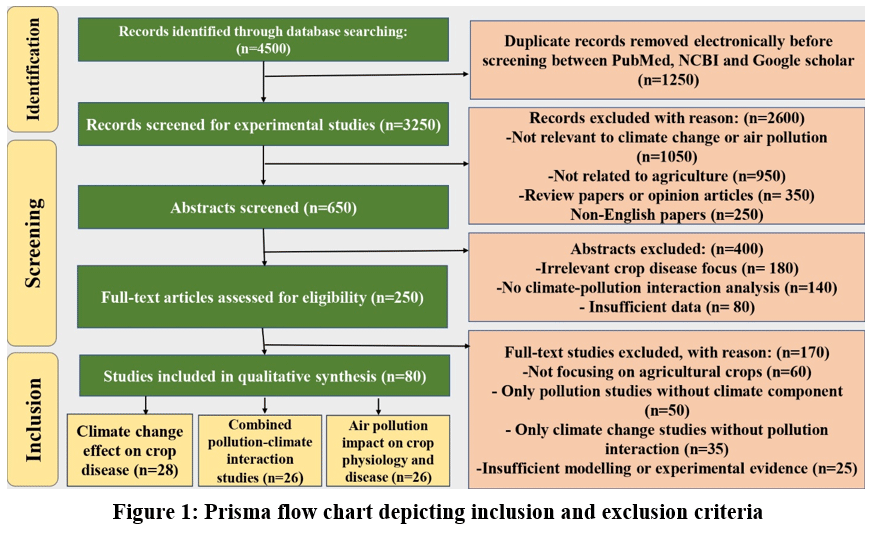 | Figure 1: Prisma flow chart depicting inclusion and exclusion criteria
|
Results
Agricultural crops
The effects of pollution of air (primarily ozone, but also aerosols) and climate changes (like changes in soil moisture and temperature) on different aspects of growth, development, crop physiology, and produce have been the subject of multiple empirical research carried out in the past 20 years.10 They discover that this research offers important information about the main interacting factors and how they affect response variables like yield in both positive and negative ways. However, they are constrained in the variety of combinations of pollution and climatic variables they investigate for pragmatic reasons, which limits a thorough comprehension of interactions because of access to data. In this section, we explore the important connections between climate factors and air pollution. This provides additional insights into their impact on crop yield and other vital services within agricultural ecosystems. By increasing the quantity of CO2 available for photosynthesis, a greater CO2 concentration may help the plant use water more efficiently. The CO2 fertilization effect is the common name for this phenomenon. However, pollutants can change how plants access abiotic resources like solar radiation by “dimming,” which reduces the amount of solar radiation that arrives at the Earth's surface, or by altering the characteristics of sunlight irradiance through reflectance and absorbance, which enhances the dispersed component. Whole-canopy metabolism and possible feedbacks govern how plants respond to stress combinations at the canopy level. We go over a few of the most significant connections between pollution and climatic variables discovered in earlier research and look at how they affect output. It's been shown that O3 pollution and climate conditions, especially CO2, affect nutritional quality like protein yield and grain concentration. CO2 and O3 had large impact on grain biomass but reduced effect on grain protein, limiting wheat yield versus protein tradeoffs.11 Understanding these pathways will help determine how air pollution and climate change impact agricultural output and nutritional quality. Since we have a very sophisticated understanding of productivity-related concerns, the latter is the main focus here.
The repercussions of air pollution
Numerous air contaminants, including PM, SO2, O3, NH3, NOx, and fluorides, have been shown to affect agricultural crop development and productivity.12 Because of the severity of the impacts of high ambient concentrations and the presence of dangerous levels of these pollutants, particularly over rural and agricultural areas, O3 and PM are considered to be the most significant. Crops and fertile grasslands are negatively impacted by O3, a potent and aggressive oxidant. Several research studies have identified decreased growth and productivity, noticeable damage, alterations in photosynthesis, reduced green leaf area, early leaf aging, and declines in cereal grain quality. Numerous empirical studies examine how varying concentrations of pollutants impact crop development, yields, and physiological responses establishing correlations through transect studies, filtration experiments, chemical protection assessments, and fumigation experiments. Flux-based measures show that salad crops, soyabean, tomato and wheat are most susceptible to climate-related O3 uptake. Each species type and cultivar has a different sensitivity to O3.13
PM, sometimes referred to as aerosols, includes sulfates, nitrates, black carbon, dust, secondary organics, and organic carbon when it comes to plants. Variations in the amount of radiation and quality will have the biggest impact on crop productivity. However, aerosol deposition onto the canopy may limit radiation penetration to the photosynthetic machinery or wedge open stomata, which can lead to the plant losing control of gas exchange because of particle toxicity (for example, heavy metal and acidic particles).13 Plant productivity can be increased by increasing the diffuse component of radiation up to a certain point. Enhanced sunlight absorption within the crop canopy, which enhanced photosynthesis efficiency at the canopy level, or alterations to the microclimate of crops that reduce the need for transpiration cooling, are two potential explanations for the impact of total aerosol load on crops. It is possible to evaluate how aerosols impact radiation quality and quantity, in addition to the effects on agricultural output, using semi-process-based models (such as process- based models and land ecosystem models). Regression models have been used in other approaches to examine the impact of aerosols, a significant element of the Atmospheric Brown Cloud (ABC), impacting zonal climatology factors like rainfall and temperature. The immediate impacts of aerosol deposition on plant development, along with the synergistic effects of aerosols on climate factors (such as precipitation, the amount and quality of radiation, and temperature), lead to variations in crop yields that undoubtedly necessitate further investigation (Fig.2). However, our lack of knowledge about the mechanisms by which aerosols may impact crop productivity, both directly (via crop damage from deposition) and indirectly (through changes in meteorology), has hindered studies that would properly study these consequences of aerosols.14
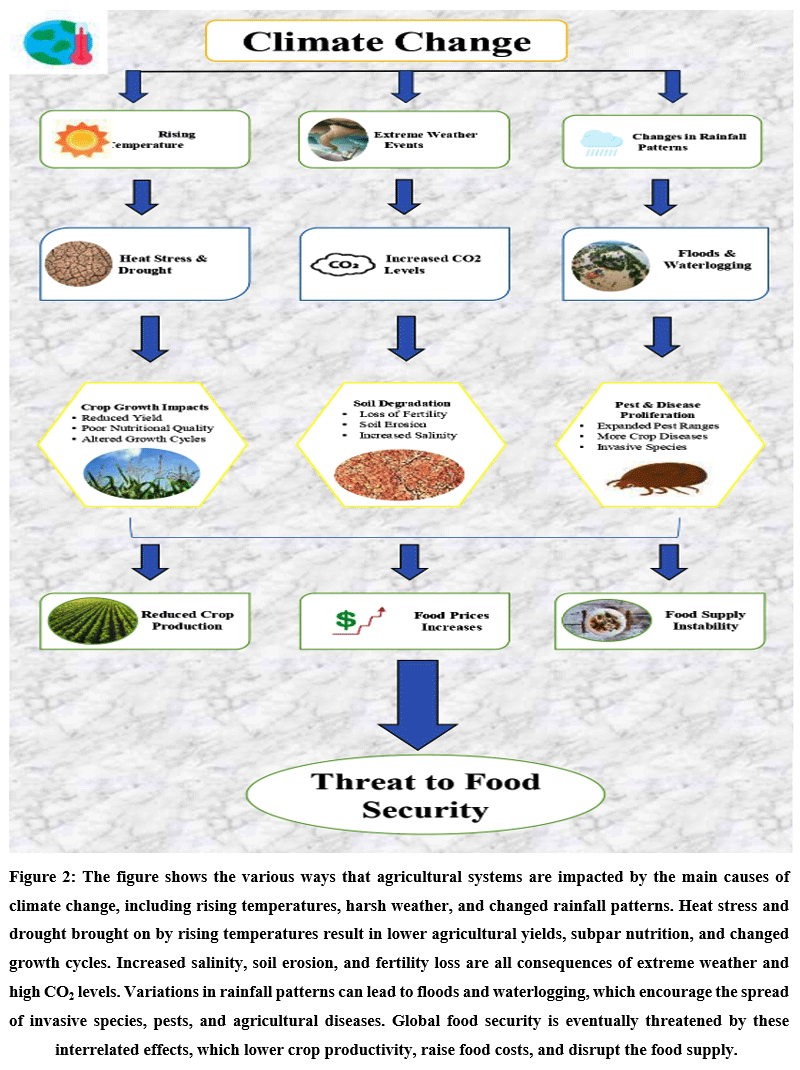 | Figure 2: The figure shows the various ways that agricultural systems are impacted by the main causes of climate change, including rising temperatures, harsh weather, and changed rainfall patterns. Heat stress and drought brought on by rising temperatures result in lower agricultural yields, subpar nutrition, and changed growth cycles.
|
Dynamics of change in climate and modifications in the transmission of air pollutants
Human activities are influencing the climate of the Earth all the time, not just by making temperatures rise and ice caps melt. The globalization and concentration of pollutants is one of the most alarming effects of change in climate.15 The change upsets the delicate equilibrium of our ecosystems, which has a cascade effect that harms the environment. Understanding how pollution and climate change interact is crucial to addressing pollution's widespread effects. Because the world is growing quickly and cities are getting bigger, aerosol pollution has become a big environmental problem. High levels of PM2.5 particulate matter are often a symptom of this big problem. But now there are some worrying developments. CO2 levels in 2019 were 40% higher than in the 19th century. Most of this growth happened after 1970, when the globe started using more energy. The increase in CO2 levels is primarily due to the combustion of carbon-based fuels, which contain low percentages of 13C and no 14C. This depicts how human activity, notably carbon-based fuel consumption, affects climate change.16
The quality of air is governed by the combined effects of climatic conditions and emission sources. The latter is necessary for understanding how chemical changes and cleanup procedures, which can be either dry or wet, affect pollution levels. Bad weather conditions that help or hamper pollutant distribution are significantly responsible for city pollution occurrences. To reduce global air pollution and protect environmental sustainability, meteorology, emission sources, and pollutant dispersal must be understood.17 Climate change-induced surface cyclone frequency increases were projected to worsen and extend regional air pollution events in the Midwestern and northeastern US, especially for black carbon and CO combustion.18 Several studies suggest that localized mitigation measures and the possibility of exceeding air quality requirements affect how climate change affects other pollutants, particularly PM and SO2 .19 The movement of pollutants across borders and air quality will be impacted by changing global atmospheric circulation patterns at both local and regional levels.20
Beyond temperature increases and ice cap melting, human activity has a constant impact on Earth's climate. Globalization and the buildup of air pollutants are among the most alarming effects of climate change.15 These changes upset the natural systems' ecological balance, which has a domino effect on the ecosystem. Therefore, reducing the extensive ecological and socioeconomic effects of pollution of air and climatic change requires an understanding of their intricate linkages.
Table 1: The table shows how main air pollutants and climate variables interact to affect crop-pathogen systems.
S. No. | Air Pollutant Types | Climate Factor(s) | Disease/ Pathogen Impact | Crop studied | Outcomes |
O3 | Elevated CO2, heat stress | Altered pathogen resistance | Soyabean | Elevated CO2 partially mitigated ozone damage, but increased foliar disease incidence in high humidity conditions.21 | |
PM2.5, Aerosols | Drought | Leaf blight severity | Rice | Aerosol deposition changed the leaf microenvironment and aided pathogen growth during drought stress.22 | |
NO(X), SO2 | Increased humidity and extreme rainfall | Rust and leaf spot diseases | Maize | Pollutant-induced stomatal damage promoted pathogen penetration under humid climate situations.10 | |
O3 | Elevated temperature, altered precipitation | Increased susceptibility to fungal pathogens | Wheat | Ozone-induced oxidative stress lowered plant immunity, making fungal infections more severe as temperatures rose.23 | |
PM, NOx | Temperature rise in higher latitudes | Aphid-transmitted viral diseases | Barley | Warming increased pest dispersal range, but pollution stress reduced host resilience.24 | |
SO2, Aerosols | Extreme drought and soil moisture decline | Root rot pathogens | Sorghum and Maize | Soil degradation during climate stress increased sensitivity to soil-borne illnesses.25 | |
O3 | Elevated CO2 (CO2 fertilization effect) | Blast disease | Rice | CO2 fertilization led to increased biomass, which facilitated the growth of blast pathogens.26 | |
NH3, Secondary aerosols | Heat waves and evapotranspiration | Powdery mildew | Wheat | Climate-induced nitrogen deposition increased canopy density, hence expanding disease microhabitats.27 | |
Atmospheric Brown Cloud (ABC) Aerosols | Changing rainfall patterns | Fungal infection frequency | Millet | Reduced sun exposure and changed canopy humidity increased pathogen sporulation.28 |
Global Climate Change's Immediate Implications on the Production of Agriculture
When it comes to agricultural output, the effect of farming cycles and climatic change and productivity is one of the most urgent issues. The stability, livelihoods, and sustainability of farmers are greatly threatened by these concerns.
Climate Change's Effect on Crop Cycles
Climate changes have usually shortened agricultural growth times and increased temperature swings, which may result in crops accumulating insufficient levels of nutrients. Crop growth will be constrained by reduced sunlight, and variations in daylight hours can impact agricultural growth cycles. Additionally, crops’ flowering and grain-filling periods may be impacted by climate change, leading to varied degrees of drought and frost damage. It explored how climate change affects agricultural development cycles worldwide and the significance of flexible management regarding planting schedules and varieties. Additionally, this study discovered that temperature is the primary factor affecting crop development in latitudes above 30o S. Spring and winter crop planting dates are usually dictated by the commencement of the warm and cold seasons. The research has examined the impacts of global temperature alteration to the crop change on crop development and the water cycle by growing summer maize and winter wheat on the North China Plain under rigorous management of irrigation. This study examined how future climate change will affect crop output and hydrology using estimates from several global climate models (GCMs) in CMIP5 and CMIP6, along with an enhanced SWAT model. Employing the dynamics of leaf area index (LAI) for summer maize and winter wheat, both crops were expected to start and mature earlier. This adjustment increases ultimate output and daily total biomass. This study examined how climate change influenced irrigation needs and supplies for important cereal crops in the Brahmaputra basins, Indus, Ganges of South Asia. The study found that climate change will dramatically reduce rice and wheat growing seasons and disrupt crop growth phases.29
The Effects of Climate Change on Farming Output
Climate change presents intricate challenges for global crop production. Rising temperatures lead to increased evapotranspiration, which accelerates the loss of water through evaporation and results in drier soil, making it more difficult to obtain water. All of these reduce agricultural production. The study found that climate change has altered compound heat-humidity stress factors, affecting crop heat sensitivity and higher temperatures. This study explores climate change, including increased temperatures, disturbed precipitation patterns, droughts, and elevated CO2 levels. Climate change may affect agricultural productivity sooner rather than later, as high-latitude areas may have higher yields while low-latitude tropical regions may have reductions. It examined how global climate change affects wheat, maize, millet, sorghum, and rice yields by increasing temperatures, carbon dioxide levels, and water availability. This study says that if we don't take steps to adapt, crop yields might drop by 7% to 23% in the worst-case climate change scenarios. The researchers also said that nitrogen control and irrigation were regarded to be the best ways to adapt, but their high cost might make them impossible in locations where water is hard to come by. Due to the multifaceted consequences the effect of climatic change on farming output, overseeing the stability of food on a regional and global scale will require a detailed review of many factors.7
Global Climate Change's Secondary Implications on Agricultural Production
Climate change-induced environmental alterations substantially affect agriculture. Decreased soil fertility, increased occurrence and severity of severe weather events, and alterations in the transfer of diseases and insects are among these changes. Food security issues may arise as a result of these unforeseen consequences, which may also reduce agricultural production.
Climate Change's Effect on Unfavorable Climate Occurrences
Agricultural systems are under significant danger due to climate change-related increases in the frequency and severity of extreme weather events. These occurrences have the potential to seriously harm crops, completely ruin harvests, and seriously disrupt agricultural infrastructure, all of which can lead to increased food costs and unstable economies. Major commodities like coffee, maize, and soybeans that are essential to the global food supply chain are supplied by Brazil, one of the world's top agricultural producers. Brazil's agricultural output is extremely susceptible to droughts, hailstorms, and frost occurrences, according to analyses of past crop loss and extreme weather data. In particular, protracted droughts have drastically decreased the country's agricultural output, disproportionately harming farming areas that are economically and environmentally fragile. Smallholder farmers, local and global commodity markets, and agricultural finance and subsidy systems have all been negatively impacted by these losses.30 The yields of maize, barley, rapeseed, and winter wheat have also been significantly impacted by extreme weather events in Germany, such as waterlogging, extreme summer temperatures, frost episodes, and dry conditions. Three main compound climate patterns that affect agricultural output have been discovered by research, emphasizing both past trends and anticipated increases in concurrent extreme events. The findings emphasize that drought remains the dominant threat to Germany’s agricultural sector, causing considerable production and financial losses.31 Extreme weather events affect interrelated food supply chains in ways that go beyond direct yield implications. Fruit, vegetable, and livestock production are the industries most impacted, although secondary sectors like logistics and transportation also suffer major indirect effects. In response, scientists have put forth creative adaptation techniques meant to reduce hazards associated with climate change and strengthen resistance to compound catastrophic occurrences. As a result, improving agricultural ecosystem protection, restoration, and system adaptability has emerged as a top concern in current agricultural research and policy formulation.31
Climate Change's implications on Soil
Climate change disrupts soil organic carbon reserves due to rising temperatures and changing precipitation patterns, which threatens soil biodiversity, fertility, and structural integrity while worsening salinization. The increasing occurrence of droughts, floods, and other extreme weather events hastens the breakdown of soil organic matter, which generates nutrients depletion and lower soil productivity.24 These combined changes undermine soil fertility and thereby limit crop growth and yield potential. Extreme weather conditions also alter soil moisture dynamics and its physicochemical properties, impacting both soil structure and crop performance. Drought induced by climate change has been demonstrated to modify plant–soil interactions by diminishing photosynthetic efficiency, reducing soil oxygen levels, and changing soil microbial communities. Such alterations disrupt root development and lower plant species diversity, ultimately affecting ecosystem stability and productivity. The importance of soil quality and condition in determining biomass production under climate stress was further demonstrated by an Italian case study. The study showed that soil deterioration severely limits biomass output under changing climatic circumstances by assessing material qualities, structural elements, and soil management techniques.30 At larger landscape scales, structural modeling techniques also show that increasing aridity and rising temperatures decrease agricultural output and land multifunctionality.32
Climate Change's Effects on Diseases and Pests
The developmental rates, geographic distribution, and infection dynamics of insect pests and plant pathogens are all significantly impacted by temperature-driven climatic variations. As ectotherms, insects are extremely sensitive to temperature; warming increases their ability to feed, reproduce, and disperse. For instance, modeling studies indicate that for every degree Celsius of warming, insect-induced yield losses in wheat, rice, and maize could rise by 10–25%.33 One obvious example is the spread of the autumn armyworm (Spodoptera frugiperda) in maize (Zea mays), whose range has expanded into formerly colder locations as a result of rising temperatures, resulting in yield losses in impacted areas of 15–30%.33 In a similar vein, warming has made it easier for the Colorado potato beetle (Leptinotarsa decemlineata) to spread poleward, which has increased pest pressure in areas that grow potatoes. Climate-related factors also have a significant impact on fungal infections. In rice blast caused by Magnaporthe oryzae, higher temperatures and humidity accelerate sporulation and shorten infection cycles, resulting in 10–30% yield losses under ideal epidemic circumstances.27 Due to warming winters, Puccinia striiformis-caused stripe rust in wheat (Triticum aestivum) has spread to higher latitudes and altitudes, increasing disease incidence in areas that were previously thought to be low-risk.24 Another climate-sensitive disease is Phytophthora infestans, which causes late blight in potatoes (Solanum tuberosum). Increased rainfall and mild warming prolong leaf wetness and promote pathogen proliferation, hastening epidemic breakouts and causing yield losses of more than 20–40% in harsh seasons.28 Similarly, soybean productivity in tropical and subtropical locations is threatened by soybean rust (Phakopsora pachyrhizi), which exhibits increased survival and spread under warmer, humid circumstances. Additionally, vector-borne illness transmission is altered by climate change. For instance, higher temperatures promote aphid reproduction, which speeds up the spread of the barley yellow dwarf virus (BYDV) in cereal crops, increasing the frequency of infection and causing yield instability.
Significantly, climate changes alter the phenological synchronization between diseases and crops in addition to increasing pest numbers. Longer growing seasons in higher latitudes may lead to a rise in pathogen pressure, although excessive heat in tropical places may suppress certain infections while intensifying others based on the availability of moisture.27 These intricate regional variations highlight the fact that rather than acting as a consistent driver of disease epidemiology, climate change functions as a dynamic regulator. Global security of food is seriously threatened by climate change, which dramatically increases the risks of pests and diseases, according to empirical and modeling data. Therefore, in warmer scenarios, integrated pest management (IPM) techniques, early-warning disease forecasting systems, and climate-resilient crop breeding become increasingly important.
Adverse consequences of air pollution on crops and plants are altered by atmospheric conditions
Plant growth is directly impacted by climate factors like CO2, while plant adaptation to air pollution is indirectly impacted. The negative impacts of increased (O3) on several physiological, growth-related, developmental, and yield indicators are significantly mitigated by drought and increased (CO2) levels. The advantages of increased CO2 levels appear to be somewhat superior to those of drought. Crop responses to pollution may be altered by management strategies, including increased irrigation due to climate-related water stress, which could enhance gas exchange. Growing seasons would probably become warmer and drier due to climate change, which could exacerbate the effects of O3. The leaf area index (LAI) slightly increases as CO2 levels rise. This will impact a number of elements that affect plant development and productivity, such as canopy microclimate, O3 deposition, and stress in soil water. Temperature variations throughout the year will have an impact on phenology, or the growth period, which will alter the crops' growing season and the degree of pollution to which they are exposed. For example, extended growing seasons with elevated O3 concentrations may occur due to increased temperatures, provided that heat stress does not hinder growth and output. In contrast, elevated temperatures may expedite plant growth, hence diminishing the duration of crop exposure to detrimental O3.31 Additionally, it was proposed that in Northern Italy, milder winter temperatures and wetter springs caused more noticeable wheat leaf damage. Because farmers will select crops that can withstand the unique combination of high temperatures, heat stress, and droughts that are typical in their region, climate change will also have an impact on where crops are cultivated.
Mechanistic Analysis of Climate and Pollution Interactions
Through interrelated physiological, biochemical, and ecological mechanisms, air pollution and climate change interact to increase crop sensitivity beyond additive assumptions. Hydrogen peroxide (H2O2), superoxide radicals (O2-), and hydroxyl radicals ((•OH), are among the reactive oxygen species (ROS) that are produced when tropospheric (O3), one of the most phytotoxic pollutants, enters leaves through stomata. In the end, these ROS hinder photosynthetic carbon assimilation by causing lipid peroxidation, membrane instability, Rubisco breakdown, and chlorophyll loss.13,31 In key crops like wheat and soybean, long-term exposure to O3 has been demonstrated to lower photosynthetic efficiency by 10–40% and grain yield by 5–30% in field settings10 (ISR) Induced systemic resistance and ( SAR) Systemic acquired resistance, are weakened by oxidative stress's additional disruption of phytohormonal defense pathways, specifically salicylic acid (SA) and jasmonic acid (JA) signalling. Rising global temperatures also change the dynamics of pathogens and vectors. Under ideal humidity regimes, higher temperatures decrease latent infection times, speed up fungal growth cycles, and increase sporulation rates by roughly 15–50%.27,33 Additionally, warmer weather increases the geographic distribution of insect vectors, strengthening the transmission efficiency of viral and bacterial pathogens. Synergistic interactions arise when certain stresses co-occur. While climatic change increases pathogen virulence, reproductive rates, and infection pressure, O3-induced impairment of stomatal function and antioxidant systems lowers host resistance. According to experimental research, the combined impacts of heat and O3 exposure can reduce yield by more than 25–35%, which is higher than the total impact of separate stressors10,13 This synergy results from the fact that oxidative damage caused by pollutants weakens plant immunity at the exact moment when the climate encourages rapid pathogen multiplication. Climate change also affects soil moisture regimes, leaf wetness duration, and canopy microclimate at the ecological scale, which has an indirect impact on disease epidemiology. Thus, the necessity for integrated multi-stressor assessment frameworks is reinforced by the fact that air contaminants and climate factors interact at the molecular, physiological, and ecosystem levels.
Table 2: The main combinations of pollution and climate stress that impact crop-pathogen systems are compiled in this table.
Stress Combination | Crop-Pathogen System | Mechanistic Interaction | Quantitative Impact |
O3+ Drought | (Glycine max) Soyabean- rust (Phakopsora pachyrhizi) | Oxidative stress impairs root growth; stomatal closure reduces carbon assimilation | 15-30% yield reduced.13,26 |
High humidity + Heat | (Oryza sativa) Rice- Blast (Magnaporthe oryzae) | Shorter infection cycles, increased fungal sporulation | 15-30% increase in disease severity.27 |
Elevated O3 + Heat Stress | (Triticum aestivum) Wheat-Leaf rust (Puccina triticina) | Accelerated pathogen life cycle under warming + O3- induced ROS production | 20-35% yield reduction under dual exposure conditions.10,13 |
Drought + PM (Aerosols) | (Zea mays) Maize | Soil moisture stress + reduced stomatal conductance + impaired radiation penetration | 10-25% decline in productivity and biomass.7 |
Elevated CO2 + Elevated O3 | (Glycine max) Soyabean – Asian rust (Phakopsora pachyrhizi) | Partial stomatal closure under CO2; altered salicylic acid signaling; modified defense response | Up to 30% yield reduce depending on exposure duration.10,13 |
Future research challenges
Barriers to representing the joint impacts of airborne pollution and climatic change
The literature analyzed in this study emphasizes substantial challenges in evaluating the amalgamation of consequences of air pollution and climatic change on agricultural crops, which is essential for enhancing predictions of future consequences associated with variations in both factors. A summary of the key challenges encountered is presented in the following points:
Interactive and confounding impacts
Apart from the numerous other modifying factors, the confusing and interaction effects of temperature and other climatic parameters make it difficult to distinguish their effects from those of air pollution. O3 and high temperatures can both hurt crop yields. The presence of ozone and aerosols in the same environment can produce contrasting impacts on yields. The impacts of O3 and climate change may be far less critical than those of land use and agricultural practices, including irrigation and the implementation of hardy crop cultivars. Ultimately, changes in management techniques meant to increase crop yields may be counteracted by O3, which could have an impact on productivity as well as other ecosystem services like carbon sequestration.7
Modifications in system scale
When combined, climate factors and air pollution can either raise or decrease a plant's exposure to air pollutants. This can alter a plant's availability to resources (such solar radiation) or effective dosage.7
Time and space scales
Pollutants, including aerosols and O3, exhibit significant spatial and temporal variability and exert both primary and secondary consequences on agricultural crops and human health through their effect on temperature and various meteorological factors. To assess the relative effects of air pollution and climatic change on results, it is crucial to comprehend temporal trends (for instance, over multiple years). 7
Discussion
This section will initially provide a comparative analysis of quantitative data on yield reduction ranges because to the coupled effects of air pollution and changes in the environment, followed by a mechanistic integration of how these stressors synergistically influence plant defense systems and disease progression (Fig.3). This integration will clarify how particular pollutants, such tropospheric ozone, might render plants more susceptible by modifying stomatal conductance and diminishing photosynthetic rates, thereby undermining overall plant vitality and defensive mechanisms.34 Moreover, the biochemical pathways associated with stress responses, including the shikimate pathway and particular gene expressions, are significantly modified by ozone exposure, frequently resembling the effects of infections and leading to a multifaceted stress response that can be leveraged by many pathogens. Chronic ozone exposure can hinder a plant's capacity to manage water loss, intensifying drought impacts, while also prompting stomatal closure, which may provide some drought protection depending on the time and severity of exposure.35 Climate change factors, such as increased CO2 and temperature, exacerbate this propensity and can either independently or in combination alter host susceptibility and pathogen virulence, resulting in different illness outcomes based on the particular pathosystem.36 For instance, higher humidity linked to specific climate change scenarios may encourage the growth of hyphae and the creation of fungal spores, increasing the pressure that fungal infections apply to host plants. Therefore, anticipating future global plant productivity and creating efficient farm planning and regional policy changes require modeling methodologies that incorporate climate-crop-disease dynamics. These models, when combined with cutting-edge omics technology, offer a vital basis for comprehending the intricate physiological and ecological reactions of plants to numerous simultaneous stresses, facilitating the creation of strong, resilient agricultural systems.
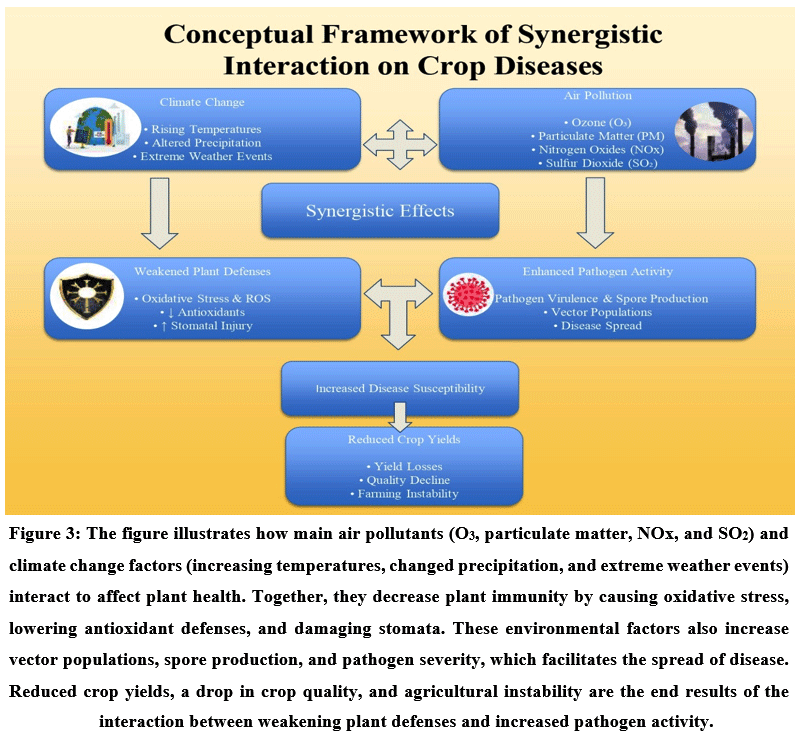 | Figure 3: The figure illustrates how main air pollutants (O3, particulate matter, NOx, and SO2) and climate change factors (increasing temperatures, changed precipitation, and extreme weather events) interact to affect plant health.
|
Conclusion
In agricultural systems, climatic change and air pollution are interlinked. Stressors that have cascading effects on plant immunology, crop physiology, pathogen dynamics, and yield stability. Recent research demonstrates a number of significant findings. First, by decreasing photosynthetic efficiency and undermining plant defense mechanisms, high concentrations of contaminants such as particulate particles, (NOx), and (O3) affect plant physiology. Second, pathogen life cycles and vector distribution are affected by climate-driven changes, which raise the risk of plant diseases. These changes include an increase in the frequency of extreme weather events, increasing temperature, and altered precipitation patterns. Third, crop sensitivity is increased when air pollution and climate factors combine to produce synergistic effects that outweigh the impacts of each stressor alone. Lastly, when exposed to both pollution and climate change, important food crops exhibit increased vulnerability to combined biotic and abiotic pressures. All of these results point to the necessity of integrated experimental strategies and frameworks for predictive modeling that take into account both pollution loads and climate projections. Multi-stressor field experiments, mechanistic studies of plant-pathogen-pollutant interactions, and region-specific risk assessments should be given top priority in future research. To protect long-term crop productivity and global food security, effective policy solutions must also coordinate climate mitigation efforts, air quality control, and climate-resilient agricultural practices.
Acknowledgement
The authors wish to express their heartfelt appreciation to Prof. Ina Aditya Shastri, Vice-Chancellor of Banasthali Vidyapith, Rajasthan, for her exceptional support and guidance. We also acknowledge DBT for facilitating the Bioinformatics Center at Banasthali Vidyapith and the Department of Bioscience and Biotechnology at Banasthali for their assistance. We express our gratitude to the DST for offering networking chances via the FIST program.
Funding Sources
The author(s) received no financial support for the research, authorship, and/or publication of this article.
Conflicts of Interest
The authors do not have any conflict of interest.
Data Availability Statement
This statement does not apply to this article
Ethics Statement
This research did not involve human participants, animal subjects, or any material that requires ethical approval
Informed Consent Statement
This study did not involve human participants, and therefore, informed consent was not required.
Permission to reproduce material from other sources
Not Applicable
Author Contributions
Afroz Alam: Conceptualization, Research design, Supervision, Critical revision, and Final approval.
Anchal Sharma: Data collection, Data analysis, Interpretation, Writing - Original draft, and Critical revision.
Supriya Kumari Sharma: Data collection, Data analysis, Interpretation, Writing - Original draft.
Prachi Baliyan: Data collection, Data analysis, Interpretation, Writing - Original draft.
References
- Mutale B, Dai S, Chen Z, Maulu S. Enhancing food security amid climate change: assessing impacts and developing adaptive strategies. Cogent Food Agric. 2025; 11(1):251980. https://doi.org/10.1080/23311932.2025.2519800
CrossRef - Singh BK, Delgado-Baquerizo M, Egidi E, et al. Climate change impacts on plant pathogens, food security and paths forward. Nat Rev Microbiol. 2023; 21(10):640-656. https://doi.org/10.1038/s41579-023-00900-7
CrossRef - Mugambiwa SS, Tirivangasi HM. Climate change: a threat towards achieving Sustainable Development Goal 2 in South Africa. Jàmbá J Disaster Risk Stud. 2017; 9(1):1-6. https://doi.org/10.4102/jamba.v9i1.350
CrossRef - Mukhopadhyay R, Boro P, Karmakar K, et al. Advances in the understanding of heat shock proteins and their functions in reducing abiotic stress in plants. J Plant Biochem Biotechnol. 2024; 33(4):474-491. https://doi.org/10.1007/s13562-024-00895-z
CrossRef - Jeger M, Beresford R, Bock C, et al. Global challenges facing plant pathology: multidisciplinary approaches to meet food security and environmental challenges in the mid-twenty-first century. CABI Agric Biosci. 2021; 2(1):20. https://doi.org/10.1186/s43170-021-00042-x
CrossRef - Fones HN, Gurr SJ. NOXious gases and the unpredictability of emerging plant pathogens under climate change. BMC Biol. 2017; 15(1):36. https://doi.org/10.1186/s12915-017-0376-4
CrossRef - Sillmann J, Aunan K, Emberson L, et al. Combined impacts of climate and air pollution on human health and agricultural productivity. Environ Res Lett. 2021; 16(9):093004. https://doi.org/10.1088/1748-9326/ac1df8
CrossRef - Hong J, Meng K, Thomas HR, et al. Reframing agriculture by light: the role of light-mediated jasmonates/salicylic acid regulation in plant defense and development. Vegetable Res. 2024; 4(1). https://doi.org/10.48130/vegres-0024-0026
CrossRef - Juroszek P, von Tiedemann A. Climate change and potential future risks through wheat diseases: a review. Eur J Plant Pathol. 2013; 136(1):21-33. https://doi.org/10.1007/s10658-012-0144-9
CrossRef - Emberson LD, Pleijel H, Ainsworth EA, et al. Ozone effects on crops and consideration in crop models. Eur J Agron. 2018; 100:19-34. https://doi.org/10.1016/j.eja.2018.06.002
CrossRef - Pleijel H, Uddling J. Yield vs. quality trade-offs for wheat in response to carbon dioxide and ozone. Glob Chang Biol. 2012; 18:596-605. https://doi.org/10.1111/j.1365-2486.2011.2489.x
CrossRef - Emberson L, Ashmore M, Murray F. Air Pollution Impacts on Crops and Forests: A Global Assessment. Imperial College Press; 2003. https://doi.org/10.1142/p244
CrossRef - Ainsworth EA. Understanding and improving global crop response to ozone pollution. Plant J. 2017; 90(5):886-897. https://doi.org/10.1111/tpj.13298
CrossRef - Auffhammer M, Ramanathan V, Vincent JR. Integrated model shows that atmospheric brown clouds and greenhouse gases have reduced rice harvests in India. Proc Natl Acad Sci U S A. 2006; 103(52):19668-19672. https://doi.org/10.1073/pnas.0609584104
CrossRef - Gao Y. China’s response to climate change issues after the Paris Climate Change Conference. Adv Clim Chang Res. 2016; 7(4):235-240. https://doi.org/10.1016/j.accre.2016.10.001
CrossRef - Russo A, Trigo RM, Martins H, Mendes MT. NO2, PM10 and O3 urban concentrations and their association with circulation weather types in Portugal. Atmos Environ. 2014; 89:768-785. https://doi.org/10.1016/j.atmosenv.2014.02.010
CrossRef - Zhou C, Wei G, Zheng H, et al. Effects of potential recirculation on air quality in coastal cities in the Yangtze River Delta. Sci Total Environ. 2019; 651:12-23. https://doi.org/10.1016/j.scitotenv.2018.08.423
CrossRef - Mickley LJ, Jacob DJ, Field BD, Rind D. Effects of future climate change on regional air pollution episodes. Geophys Res Lett. 2004; 31(24). https://doi.org/10.1029/2004gl021216
CrossRef - Guttikunda SK, Carmichael GR, Calori G, Eck C, Woo JH. The contribution of megacities to regional sulfur pollution in Asia. Atmos Environ. 2003; 37:11-22. https://doi.org/10.1016/s1352-2310(02)00821-x
CrossRef - Ansmann A, Bösenberg J, Chiakovsky A, et al. Long-range transport of Saharan dust to northern Europe. J Geophys Res Atmos. 2003; 108(D24). https://doi.org/10.1029/2003jd003757
CrossRef - Eastburn DM, Degennaro MM, Delucia EH, Dermody O, Mcelrone AJ. Elevated atmospheric carbon dioxide and ozone alter soybean diseases at SoyFACE. Glob Chang Biol. 2010; 16(1):320-330. https://doi.org/10.1111/j.1365-2486.2009.01978.x
CrossRef - Tai AP, Martin MV, Heald CL. Threat to future global food security from climate change and ozone air pollution. Nat Clim Chang. 2014;4(9):817-821. https://doi.org/10.1038/nclimate2317
CrossRef - Chakraborty S, Newton AC. Climate change, plant diseases and food security: an overview. Plant Pathol. 2011; 60(1):2-14. https://doi.org/10.1111/j.1365-3059.2010.02411.x
CrossRef - Bebber DP, Ramotowski MA, Gurr SJ. Crop pests and pathogens move polewards in a warming world. Nat Clim Chang. 2013; 3(11):985-988. https://doi.org/10.1038/nclimate1990
CrossRef - Lesk C, Rowhani P, Ramankutty N. Influence of extreme weather disasters on global crop production. Nature. 2016; 529(7584):84-87. https://doi.org/10.1038/nature16467
CrossRef - Ainsworth S. The educational value of multiple representations when learning complex scientific concepts. In: Visualization: Theory and Practice in Science Education. Springer; 2008:191-208. https://doi.org/10.1007/978-1-4020-5267-5_9
CrossRef - Legg S. IPCC 2021: Climate change 2021—the physical science basis. Interact. 2021; 49(4):44-45. https://doi.org/10.1017/9781009157896
CrossRef - Ramanathan V, Chung C, Kim D, et al. Atmospheric brown clouds: impacts on South Asian climate and hydrological cycle. Proc Natl Acad Sci U S A. 2005; 102(15):5326-5333. https://doi.org/10.1073/pnas.0500656102
CrossRef - Ahmad QA, Moors E, Biemans H, Shaheen N, Masih I, Hashmi MZUR. Climate-induced shifts in irrigation water demand and supply during sensitive crop growth phases in South Asia. Clim Change. 2023; 176:150. https://doi.org/10.1007/s10584-023-03629-7
CrossRef - Bonfante A, Terribile F, Bouma J. Refining physical aspects of soil quality and soil health when exploring the effects of soil degradation and climate change on biomass production: an Italian case study. Soil. 2019; 5:1-14. https://doi.org/10.5194/soil-5-1-2019
CrossRef - Fuhrer J. Ozone risk for crops and pastures in present and future climates. Naturwissenschaften. 2009; 96:173-194. https://doi.org/10.1007/s00114-008-0468-7
CrossRef - Marlon JR, Bloodhart B, Ballew MT, et al. How hope and doubt affect climate change mobilization. Front Commun. 2019; 4:20. https://doi.org/10.3389/fcomm.2019.00020
CrossRef - Deutsch CA, Tewksbury JJ, Tigchelaar M, et al. Increase in crop losses to insect pests in a warming climate. Science. 2018; 361(6405):916-919. https://doi.org/10.1126/science.aat3466
CrossRef - Acosta-Motos JR, Franco-Navarro JD, Gómez-Bellot MJ, Alvarez S. Crop resistance mechanisms to alleviate climate change-related stress. Front Plant Sci. 2024; 15:1368573. https://doi.org/10.3389/fpls.2024.1368573
CrossRef - Pertot I, Elad Y. Climate change impact on plant pathogens and plant diseases. Fondazione Edmund Mach. 2012. https://doi.org/10.1080/15427528.2014.865412
CrossRef - Vargas-Terminel ML, Rodríguez JC, Yépez EA, et al. Ecosystem-atmosphere CO2 exchange from semiarid mangroves in the Gulf of California. J Arid Environ. 2023; 208:104872. https://doi.org/10.1016/j.jaridenv.2022.104872
CrossRef