
Biochar Amendment Reduces Nickel (II) Toxicity and Enhances Phytoextraction in Zea mays L.
Munmun Kundu1
 , Souparna Chakrabarty2
and Swati Chakraborty3
*
, Souparna Chakrabarty2
and Swati Chakraborty3
*
1
Maulana Abul Kalam Azad University of Technology,
West Bengal
India
2
Memorial Sloan Kettering Cancer Center,
New York,
USA
3
Asansol Girls’ College,
West Bengal
India
http://dx.doi.org/10.12944/CWE.21.1.17
Copy the following to cite this article:
Kundu M, Chakrabarty S, Chakraborty S. Biochar Amendment Reduces Nickel (II) Toxicity and Enhances Phytoextraction in Zea mays L. Curr World Environ 2026;21(1). DOI:http://dx.doi.org/10.12944/CWE.21.1.17
Copy the following to cite this URL:
Kundu M, Chakrabarty S, Chakraborty S. Biochar Amendment Reduces Nickel (II) Toxicity and Enhances Phytoextraction in Zea mays L. Curr World Environ 2026;21(1).
Download article (pdf)
Citation Manager
Publish History

Introduction
Increasing anthropogenic environmental heavy metals (HMs) pollution is a serious global concern due to its adverse environmental effects.While HMs are natural components of soil, human activities have increased their concentration beyond permissible limits.1Waste from tanneries, mining, agricultural and metal industries, waste water irrigation, sewage sludge, and waste dumping contaminate both soil and groundwater. HMcontamination frequently includes Arsenic, Cadmium, Chromium, Copper, Lead, Nickel, etc. The use of untreated sewage and wastewater leads to significantHM deposition in agricultural land;these metals are subsequently absorbed by crops and consumed by humans and other animals.2Long-term exposure of HMs isdeleterious to biological systems- including plants, animals and humans-when concentrations exceed specific threshold levels.3 Reducing HMs bioavailabilityis essential not only to mitigate health risks but also to facilitate the total removal of toxic metals from contaminated soil. Various soil remediation techniques, such as phytoextraction, chemical stabilization, and soil washing, have been extensively employed by researchers.4 The integration of various natural and artificial amendments, including phosphate fertilisers, clay minerals, etc., enhances phytostabilization by promoting the root-mediated sequestration and the absorption of HMs.5
In phytotransformation or phytovolatilization-based remediation, plants uptake pollutants and utilize specialized enzymes or metabolic processes to transform the contaminants into volatile derivatives,which are eventually discharged into the atmosphere.6In phytofiltration, plants are initially acclimatedto contaminated water prior to field transfer for site-scale remediation,once the roots reach pollutant saturation, the plants are harvested.7In addition to other remediation techniques,phytoextraction is used to clean up the HMs from contaminated soil,where metals are absorbed by roots and translocated to the aerial parts of the plant.8 These plants are subsequently harvested and safely disposed. Certain plant groups can containor reduce HM pollution through phytoremediation,offeringanenvironmentally sustainable and eco-friendly long-term solution for soil reclamation.2Chemical immobilisation involves the application of soil amendments to contaminated soil; that reacts with HMs to form less toxic, insoluble complexes, thereby reducing their bioavailability and effectively hindering their absorption by the plants. Among the amendments that adsorb HMs and decrease their bioavailability and uptake, biochar has proved to be cost-effective9due to its unique physicochemical properties.10,11Biochar is a stable, carbon-densematerial derived from the pyrolysis of agricultural wastes, making it a sustainable and environmental friendly material.12 Biochar's porous structure, containing over 60% carbon, makes it a good adsorbent that improves soil structure andquality.13 Additionally, biochar has been found to enhance nutrient retention, water holding capacity, and microbial activity in the soil, creating a favourable environment for plant growth and remediation processes.14,15
Nickel is recognised as one of the 23 heavy metal pollutants posing a significant threat to both the environment and human health;16-18however, its stress effect on plants is not yet fully understood.The concentration of Ni in soil varies significantly, ranging from 0.2 to 450 mg kg-1,depending primarily on the underlying soil formation processes.19-21 Nickel has long been known as an important plant micronutrient.22,23While small concentrations of Ni are essential for normal plant growth, elevated concentrationscause deleterious effects on plant development and trigger Ni toxicity symptoms,such as inhibition of germination, reduced root and shoot growth, chlorosis, foliar necrosis, leaf spotting, etc.24-26
Ni reaches the soil from various sources,27-30Ni contamination in soil results in widespread exposure across plants and is consumers, affecting various stages of life cycles.According to the World Health Organization (WHO),the target value of Ni in soil is 35 mg kg-1, while the permissible value in plants or crops is 10 mg kg-11.Addressing this issue requires innovative and sustainable solutions to reduce the toxic effects of Ni, especially Ni (II),among the four oxides ofdivalent Nickel.31-33
Experimental results demonstrated that biochar-amended soil achieves substantial removal efficiencies for Ni.34 The addition of biochar to contaminated soil facilitates the sequestration of HMs, effectively reducing their bioavailability and limiting plant uptake. This process is governed by several complex factors, including specific metal type, soil physical and chemical properties, amount of biochar used, pyrolysis temperature, porosity, and surface area, etc.9,10Therefore,the remediation of HMs from polluted soil is a challenging process.The selection of appropriate HM-tolerant plant species is the most important criterion for successful phytoextraction.35 Native plants are generally selected as a medium for phytoextraction because these plants are evolutionary products of their specific environment. One species used for this purpose is the economically important food crop maize (Zea mays L.). Assisted phytoextraction has become an increasingly prevalent technique for the management of contaminated sites. Rice husk biochar pyrolyzed at 400 oC may enhance the plant’s growth, development and phytoextracting ability of maize.36Rice husk biocharis particularly effective due toits high silica content.The optimum pyrolysis temperature creates negatively charged binding sites for Ni (II) via cation exchange capacity (CEC),providingadditional sites for metal binding.37,38Therefore, in our study,we selected biochar derived from pyrolysis of rice huskat 400oC under oxygen-limited conditions as a soil amendment to improve phytoextraction by maize.Converting rice husk, an agricultural waste, into biochar is a multi-win strategy to preserve soil carbon, improve soil fertility, and immobilize organic and HMs pollutants.39
To evaluate the efficacy of biochar in the phytoremediation of Ni, a pot experiment was conducted using maize grown in soil contaminated with 100 mg kg-1 and 300 mg kg-1 of Ni, with a control set maintained for comparative analysis. The effect of biochar on Ni sequestration in various maize plant parts was also assessed. We expect biochar to increase the germination percentage and growth of maize under high Ni-stress conditions while simultaneouslyenhancing its bioaccumulating capacity.
Materials and Methods
Preparation of soil sample
Garden soil samples were collected, air-dried at room temperature,and passed through a 2mm sieve to remove debris.40Sandy clay loam soil, free from exogenous metal contamination, was used for the experiment. The soil used for treatment had a pH range between 7.0 and 8.0, and awater-holding capacity of80% (Table 1).
Preparation of Contaminated Soil and Pot Experiment
Nickel Chloride Hexahydrate (NiCl2.6H2O) solutions were prepared by dissolving salts equivalent to 100 mg and 300 mg of Ni in 1litre of distilled water, respectively. Prior to sowing,the Ni solution was added tothe soil. To ensure uniformity, the air-dried soil was thoroughly mixed with the metal salts through repeated agitation before being distributed into three replicate pots per treatment.Pots were arranged in a completely randomized design, and metal concentration analyses were blinded to treatment identity.After 10 days of incubation, maize seedlings were raised in a 2-inch layer of soil contaminated with Ni(100 mg and 300 mg kg-1).41-43Experimental controlswere established using three pots of uncontaminated soil. In addition, specific soils were amended with 1% (w/w) biochar.44 Each concentration set and biochar treatment was executed in three replicates.
Maize seeds (VNR 4226) were purchased from the Bidhan Chandra Krishi Viswavidyalaya (BCKV), West Bengal, India. Thisvariety ispartially Ni-tolerant and commonly cultivated by local farmers. The seeds were surface sterilised for 2 minutes in ethanol, followed by 10 minutes insodium hypochlorite solution (0.75% of Cl)45 and subsequently washed six times withdistilled water.46The plants were grown under natural light at ambient temperature andharvested 10 days aftersowing. The number of germinated seeds was recorded daily to determine growth parameters,including the germination percentage. Seeds were considered germinated upon the visible protrusion of a 2mm plumule.47The equation for determining germination percentage is as follows (1)48:

Preparation of Biochar
1kg of rice husk was collected from rice fieldspost-harvest. After being cut and washed, the husk was air-dried under direct sunlight for 48 hours. The samples were then ground and sieved to obtain a particle size of 0.25 mm. The ground rice husk biochar was prepared by slow pyrolysis in a high-temperature programmable Muffle Furnace (Labocon, LMF-1200). Biochar was produced by heating the biomass at a rate of 10oC/min to a peak temperature of 400oC for 2 hours under oxygen-limited conditions.49,38
Characterization of Biochar
Different characterization techniques were employed to analyse the surface morphology and modification feasibility of the rice husk biochar. To ensure the presence of appropriate functional groups required for HM sequestration, Fourier transform infrared spectroscopy (FTIR) analysis was conducted using a Shimadzu FTIR 8400 instrument, over a spectral range of 4000 to 400cm-1(Fig. S1). Additionally, the surface morphological structure of biochar was characterised using a Carl Zeiss SIGMA 300 Scanning Electron Microscope (SEM).Biochar pH, CEC, and surface area were not measured, thereby limiting comparison with other studies.
Table 1: Physio-chemical properties of soilfrom different heavy metal concentrations.
Treatment | pH | Electrical conductivity (µS cm-1) | Organic matter (%) |
Control | 6.86 ± 0.08 | 359.70 ± 49.10 | 0.39 ± 0.00 |
100 mg kg-1 | 7.10 ± 0.01 | 689.67 ± 108.67 | 0.44 ± 0.01 |
100 mg kg-1 +Biochar | 7.87 ± 0.00 | 1198.74 ± 44.94 | 0.50 ± 0.00 |
300 mg kg-1 | 7.20 ± 0.18 | 605.89 ± 127.09 | 0.43 ± 0.02 |
300 mg kg-1 +Biochar | 7.36 ± 0.13 | 892.85 ± 123.46 | 0.46 ± 0.01 |
Impact of biochar amendment on the Bioavailability and tissue specific accumulation of heavy metals in maize
The study assessed the distribution of HMs by analysing their accumulation levels within the soil and plant parts. The concentration of Nickel in the digested soil, rootsand shootsextractswas determined by the Dimethylglyoxime (DMG) test.50,51The absorbance ofresulting mixture was measuredat 540nm usinga JASCO V-630 UV-Vis spectrophotometer. Standard curve was preparedusing NiCl2 solutionsranging from 0.1 to 10 mgL-1 (R2 = 0.9758).
Metal uptake in plant
To evaluate the phytoextraction potential of maize, the bioconcentration factor (BCF) and translocation factor (TF) were determined. The value of BCF of hyperaccumulator plants is greater than 1, indicating that the plant is a potential accumulator for the HMs.52 A translocation factor (TF) greater than 1signifies the plant’s potential as a hyperaccumulator and metal transport to the shoots; conversely, TF<1 indicates a strategy of phytostabilization, where HMs are effectively sequestered within the root system.53
Bothbioconcentration Factor and translocation factor were calculated as by the equation (2) and (3), respectively.54
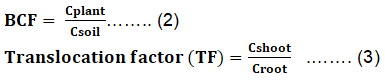
Where Cplant – metal concentrations in the tissues of plant parts, i.e. shoot and root, Csoil – initial concentration of metal in the soil. In the case of TF, Cshootis the heavy metal content in the aerial part and Croot is the total heavy metal content in the underground.
Statistics
All tests were performed in triplicate.Significant differences in plant germination and accumulation parameters with reference to the application of biochar in Ni-contaminated soil were evaluated using Student’s t-test. Results were summarised by the mean and standard deviation.
Results
Characterization of Biochar
The detailed surface morphology of the rice husk biochar has been demonstrated through SEM images, suggesting a high potential for HM adsorption. At a magnification of×1080, the biochar exhibitsseveral irregular voids and a diverse composition, a well-developed porous and rough texture in the first image (Fig. 1A), resulting from the pyrolysis of lignocellulose precursor. These characteristics point to a large surface area, which is advantageous for adsorption and facilitates physical sequestration of Ni.55 Sharp, ridge-like structures that seem to protrude from the surface of the biochar are highlighted in the second image (Fig. 1 B), which has a greater magnification of ×1860. These sharp edges probably improve the biochar's reactive surface characteristics and mechanical stability, and act as a secondary sink for heavy metals, where ions are immobilised to mitigate phytotoxicity.
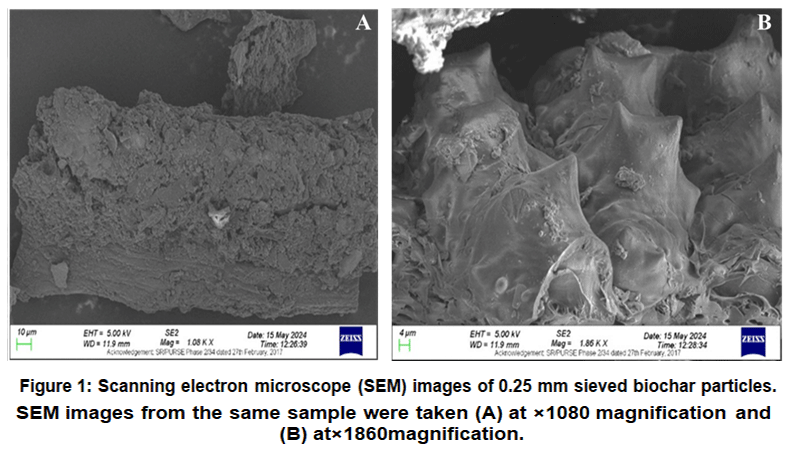 | Figure 1: Scanning electron microscope (SEM) images of 0.25 mm sieved biochar particles. SEM images from the same sample were taken (A) at ×1080 magnification and(B) at×1860 magnification.
|
Effect on germination percentage
Germination percentage was higher in the control setup, whichis 73% as compared to soil contaminated with Ni (33%) at varying concentrations (p < 0.005). Although germination percentage increased to about 48±7.70 percent (Fig. 2) when contaminated soil was amended with biochar. A significant effect of biochar was observed on the germination of maize growing at 300 mg kg-1 concentration of Ni (p =0.03).
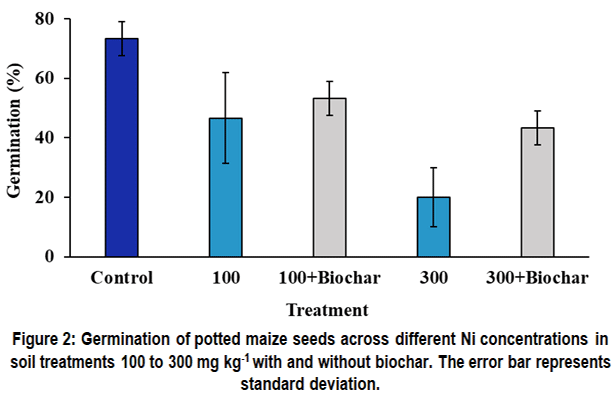 | Figure 2: Germination of potted maize seeds across different Ni concentrations in soil treatments 100 to 300 mg kg-1 with and without biochar. The error bar represents standard deviation.
|
Nickel accumulation in soil and plant parts
Various concentrations of Ni were used in a pot experiment, treated with and without biochar. Bioavailable Ni was significantly reduced in the soil treated with biochar (p<0.005) than without the application of biochar (Fig. 3). At 100 mgkg-1biochar, the accumulation of Ni in roots was significantly reduced (p < 0.01), but had no significant effect on Ni deposition in roots at higher concentrations(p=0.6). It has no significant effect on Ni accumulation in the shoot across all treatments (Fig. 4).
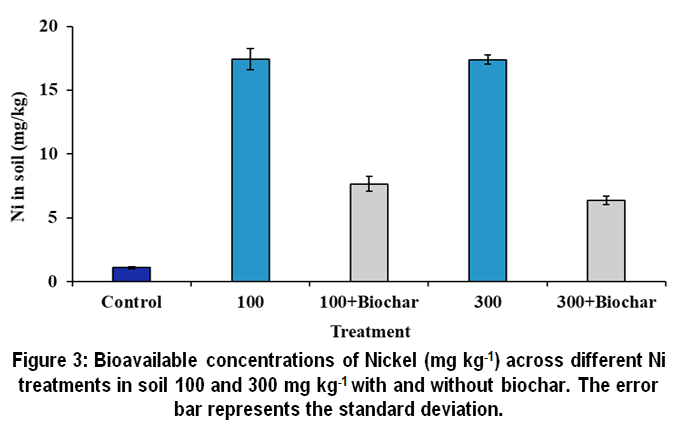 | Figure 3: Bioavailable concentrations of Nickel (mg kg-1) across different Ni treatments in soil 100 and 300 mg kg-1 with and without biochar. The error bar represents the standard deviation.
|
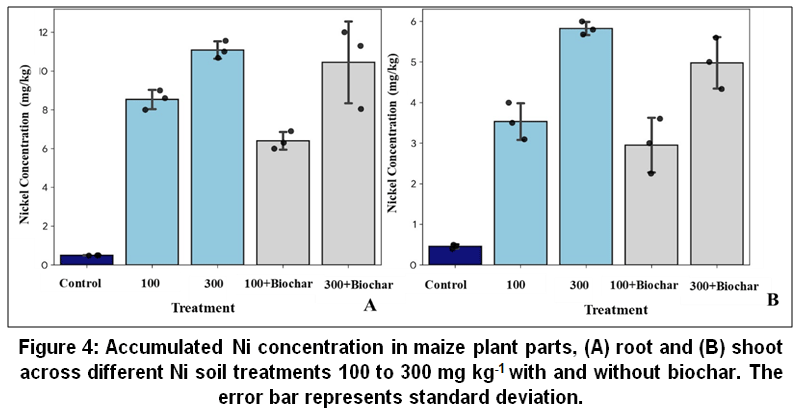 | Figure 4: Accumulated Ni concentration in maize plant parts, (A) root and (B) shoot across different Ni soil treatments 100 to 300 mg kg-1 with and without biochar. The error bar represents standard deviation.
|
BCF of the maize plant growing in control soil was 0.8. In comparison, at a concentration of 100 mgkg-1, BCF was 0.6 without biochar, which was enhancedto1.2 with the application of biochar. At a higher concentration of Ni at 300 mg kg-1, BCF doubled to 2.4from 0.9 by the addition of biochar.
BCF significantly increased with application of biochar at both 100 mg kg-1 (Ni 95% CI [0.5315, 0.8560]; Ni+Biochar95% CI [0.8275, 1.6292],Cohen's d = 4.3431, p = 0.02) and at 300 mg kg-1(Ni 95% CI [0.8834, 1.0610]; Ni+Biochar95% CI [1.2977, 3.5631],Cohen's d = 4.5088, p=0.03)(Fig. 5). In all cases TF remains <1 (Fig. 6); biochar has no significant effect on TF.
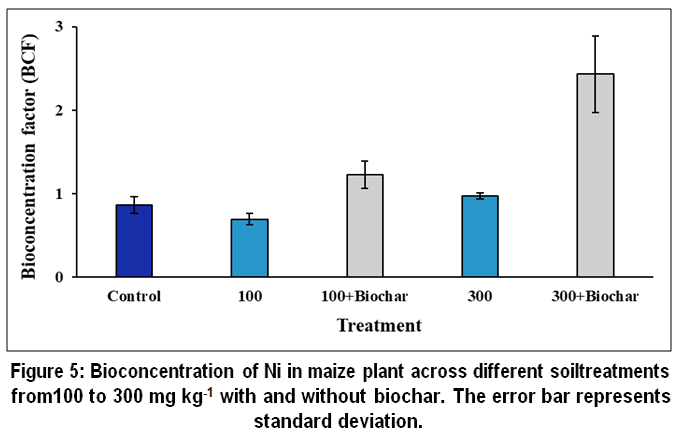 | Figure 5: Bioconcentration of Ni in maize plant across different soiltreatments from100 to 300 mg kg-1 with and without biochar. The error bar represents standard deviation.
|
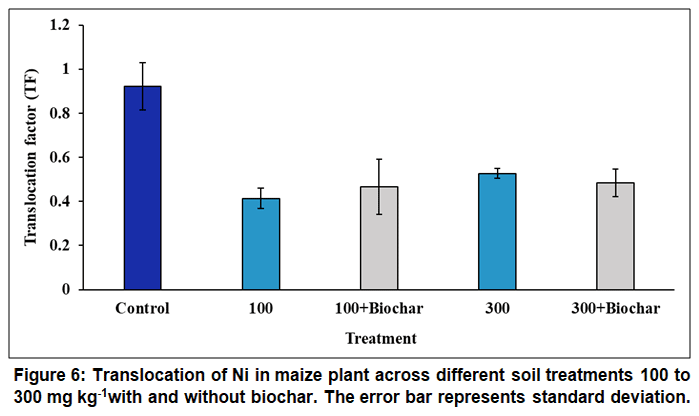 | Figure 6: Translocation of Ni in maize plant across different soil treatments 100 to 300 mg kg-1with and without biochar. The error bar represents standard deviation.
|
Discussion
Ni is an essential metal needed for thegrowth of plants,but become highly toxic when plants are grown in soil with excessive Ni concentrations.20One of the signs of Ni toxicity is the inhibition of germination and a delay in germination time.25 Some authors suggest that elevated Ni concentration in the growth medium impairs the germination of rice seeds by triggering Ni stress;thisrestricts the hydrolysis process and delays themobilisation of reserve protein within the endosperm.20The phytotoxic impact of excessive Ni can significantly reduce the germination percentage.56In our study, treatment with Ni at 100 mg kg-1 and 300 mg kg -1 decreased thegermination percentage compared to the control set. At optimum concentrations, Ni is known to improve seed germination in many species.57,58Therefore,a high percentage of maize seeds germinated in the control set. According to the WHO,the regulatory limit of Ni in soil is 35 mg kg-1 and the permissible value in crops is 10 mgkg-11. In this study, bioavailable Ni in soil did not exceed the WHO permissible limit in all treatment cases;however, at the higher concentration, i.e. 300mg kg-1,the Ni concentration in the roots exceeded the permissible limit.Seminal work on Ni uptake kinetics shows that the bioavailability of Ni in soil and its uptake by plants is influenced by several factors,including the soil Ni concentration,56soil or soil solution acidity,59 and plant species,20 etc.Nearly half of the accumulated Ni is retained within the roots,56which is attributed to its sequestration at the cation exchange sites of the vessel walls and xylem parenchyma;this process effectively immobilises the metal56.The soil used in our experiment was slightly alkaline (pH: 7.6), which may result in immobilisation of Ni, thereby reducing its bioavailability to the plant.20
The addition of biochar further increases soil alkalinity (pH: 8.0).This reduces metal solubility by promoting precipitation into hydroxides or carbonates and enhancing binding withsoil particles.60This mechanism represents an indirect metal immobilisation by biochar amendments, which reduces the bioavailability of Ni and renders the soil less toxic to plants.This findingis supported by several studies.61-63
Although maize is often cited as a potential hyperaccumulator,64,65the BCF of maize in all our experimental cases remained<1,withoutbiochar application. Biochar amendments improved plant growth and enhanced the phytoextractionof Ni;consequently, the BCF of the biochar-treated maize plants at both concentrations increased to>1. However, no significant differences in shoot Ni concentrations were observed between the plants treated with and without biochar. Furthermore, the translocation factor was also lower than 1in all cases of treatment except forthe control set.Studies describe phytostabilization as stabilization and accumulation of HM by the root but outside in the soil and rhizosphere,66 whereas phytoextraction refers to the accumulation of HMs inside root tissue.67 Since most of the Ni is accumulated in the roots, here maize is referred to as a phytoextracting plant.
A similar result hasbeen reported in studies with the hyperaccumulatorAlyssum murale growing at Ni rich environment.Here, shoot Ni concentration was also not affected by thebiochar amendments, despite the enhancementofgermination and growth.68,9,69,70
The ultrastructural image of biochar prepared by the pyrolysis of rice husk at 400oC exhibits a highly heterogeneous surface characterised by micro and mesopores, with a rugged and fractured appearance. This structure issuitable for providinga high surface area for Ni binding sites and helps in mitigating Ni toxicity by CEC.37,38A study with cottonseed hull biochar obtained within a temperature range of 200-800o C demonstrated that the soil matrix controls metal sequestration (Nickel, Copper, Lead and Cadmium) through the surface functional groups of the biochar.71Thus, the prevalence of oxygen-containing functional groups in low- temperature biochar makes it a superior adsorbent for inorganic contaminants, facilitating sequestration through electrostatic attraction and precipitation.39
As expected, the addition of biochar improved phytoextraction of Ni in contaminated soil by maize (Zea mays L.). Asan amendment,it improves the plant germination and survivability byrestricting shoot Ni uptake and sequesteringthe majority of Ni within the maize roots. However, the effectiveness of biochar as a phytoremediating agent of heavy metals is influenced by several factors39and further studies are required to evaluate its long-term efficacy.
Conclusion
Although maize is considered a hyperaccumulator plant,the BCF of Ni in maize for both treatments (100 and 300 mg kg-1) without biochar application was less than1,with metals primarily sequestered in the roots of maize. Therefore, the present study indicates that maize (Zea mays. L) does not efficiently extract Ni from highly contaminated soil independently.Our findingssuggest that assisted phytoremediation using biochar is a feasible approach for Ni-contaminated soil. Although heavy metal in maize roots decreased, biochar application resulted in an increase in the bioconcentrationfactor (BCF >1), especially at higher concentrations, but with limited translocation (TF < 1).The positive effect on germination percentage following biochar application indicates that usingZea mays L.in conjunction with biochar could be a suitable strategy for reclaimingsoil contaminated with heavy metals like Ni.
Thermochemical conversionof rice husk into biochar offers astrategic approach for the productive repurposing of agricultural wastes, mitigating the disposal challenges.The application of cost-effective biochar for the remediation of HM-contaminated soil offers a dual environmental advantage by simultaneously immobilising contaminants and facilitating carbonsequestration.
Care should be taken when generalizing these findings to field application or to biochar derived from different feedstocks and production methods. A comprehensive evaluation of the long-term sustainability of these assisted phytoremediation techniques is essential for their transition from laboratory to field-scale application. Supplementing contaminated sites with biochar or chemical fertilizers can drive the continuous biomass production essential for the effective and large-scale extraction of toxic Ni from the environment.
Acknowledgement
The authors are thankful to Guru Nanak Institute of Pharmaceutical Science and Technology, West Bengal, for providing the necessary instruments and equipment forthe experiment.
Funding Sources
This author(s) received no financial support for the research, authorship, and/or publication of this article.
Conflict of Interest
The authorsdo not have any conflict of interest.
Data Availability Statement
The authors will provide the primary data if and whenever required.
Ethical Approval
This research did not involve human participants, animal subjects, or any material that requires ethical approval.
Informed Consent Statement
This study did not involve human participants, and therefore, informed consent was not required.
Permission to reproduce material from other sources
Not Applicable
Author Contributions
MunmunKundu: Conceptualization, Methodology, Data collection, Analysis, Visualization, Writing- Original draft
SouparnaChakrabarty: Analysis, Visualization, Writing- Review and Editing
Swati Chakraborty: Conceptualization, Supervision
References
- Dt O, Aa A, Oe O. Heavy Metal Concentrations in Plants and Soil along Heavy Traffic Roads in North Central Nigeria. Journal of Environmental & Analytical Toxicology. 2015;05(06):1. doi:10.4172/2161-0525.1000334
CrossRef - Ashraf S, Ali Q, Zahir ZA, Ashraf S, Asghar HN. Phytoremediation: Environmentally sustainable way for reclamation of heavy metal polluted soils. Ecotoxicol Environ Saf. Jun 15 2019;174:714-727. doi:10.1016/j.ecoenv.2019.02.068
CrossRef - Puschenreiter M, Horak O, Friesl W, Hartl W. Low-cost agricultural measures to reduce heavy metal transfer into the food chain - a review. Plant, Soil and Environment. 2005;51(1):1-11. doi:10.17221/3549-pse
CrossRef - Abumaizar RJ, Smith EH. Heavy metal contaminants removal by soil washing. J Hazard Mater. Dec 23 1999;70(1-2):71-86. doi:10.1016/s0304-3894(99)00149-1
CrossRef - Mench M, Vangronsveld J, Bleeker P, Ruttens A, Geebelen W, Lepp N. Phytostabilisation of metal-contaminated sites. Phytoremediation of metal-contaminated soils. Springer; 2006:109-190.
CrossRef - Sharma S. Bioremediation: features, strategies and applications. Asian Journal of Pharmacy and Life Science. 2012;2(2):202-213.
- Yan A, Wang Y, Tan SN, Mohd Yusof ML, Ghosh S, Chen Z. Phytoremediation: A Promising Approach for Revegetation of Heavy Metal-Polluted Land. Front Plant Sci. 2020;11:359. doi:10.3389/fpls.2020.00359
CrossRef - Jadia CD, Fulekar MH. Phytoremediation: The application of vermicompost to remove zinc, cadmium, copper, nickel and lead by sunflower plant. Environmental Engineering and Management Journal. 2008;7(5)
CrossRef - Beesley L, Moreno-Jimenez E, Gomez-Eyles JL, Harris E, Robinson B, Sizmur T. A review of biochars' potential role in the remediation, revegetation and restoration of contaminated soils. Environ Pollut. Dec 2011;159(12):3269-82. doi:10.1016/j.envpol.2011.07.023
CrossRef - Chen D, Liu X, Bian R, et al. Effects of biochar on availability and plant uptake of heavy metals - A meta-analysis. J Environ Manage. Sep 15 2018;222:76-85. doi:10.1016/j.jenvman.2018.05.004
CrossRef - Fdez-Sanromán A, Pazos M, Rosales E, Sanromán MA. Unravelling the environmental application of biochar as low-cost biosorbent: a review. Applied Sciences. 2020;10(21):7810.
CrossRef - Liu WJ, Jiang H, Yu HQ. Development of Biochar-Based Functional Materials: Toward a Sustainable Platform Carbon Material. Chem Rev. Nov 25 2015;115(22):12251-85. doi:10.1021/acs.chemrev.5b00195
CrossRef - Tang J, Zhu W, Kookana R, Katayama A. Characteristics of biochar and its application in remediation of contaminated soil. J Biosci Bioeng. Dec 2013;116(6):653-9. doi:10.1016/j.jbiosc.2013.05.035
CrossRef - Hossain MZ, Bahar MM, Sarkar B, et al. Biochar and its importance on nutrient dynamics in soil and plant. Biochar. 2020;2(4):379-420.
CrossRef - Cong M, Hu Y, Sun X, et al. Long-term effects of biochar application on the growth and physiological characteristics of maize. Frontiers in Plant Science. 2023;14:1172425.
CrossRef - Sunderman FJ. Toxicokinetics of nickel in humans. Vol. 25. 1992:69-76. Advances in environmental science and technology. 0065-2563.
- Jarup L. Hazards of heavy metal contamination. Br Med Bull. 2003;68(1):167-82. doi:10.1093/bmb/ldg032
CrossRef - Duda-Chodak A, BIaszczyk U. The impact of nickel on human health. Journal of Elementology. 2008;13(4):685-693.
- Wilson M, Maliszewska-Kordybach B. Soil quality, sustainable agriculture and environmental security in Central and Eastern Europe. vol 69. Kluwer Academic Publishers. Kluwer Academic Publishers; 2000.
CrossRef - Ahmad MS, Ashraf M. Essential roles and hazardous effects of nickel in plants. Rev Environ Contam Toxicol. 2011;214:125-67. doi:10.1007/978-1-4614-0668-6_6
CrossRef - Rabinovich A, Di R, Lindert S, Heckman J. Nickel and soil fertility: Review of benefits to environment and food security. Environments. 2024;11(8):177.
CrossRef - Eskew DL, Welch RM, Cary EE. Nickel: an essential micronutrient for legumes and possibly all higher plants. Science. Nov 11 1983;222(4624):621-3. doi:10.1126/science.222.4624.621
CrossRef - Kamboj N, Malik R, Dhanker P, Kumar A. Importance of nickel in crops. Journal of Pharmacognosy and Phytochemistry. 2018;7(3):3470-3475.
- Pandey N, Sharma CP. Effect of heavy metals Co2+, Ni2+ and Cd2+ on growth and metabolism of cabbage. Plant Science. 2002;163(4):753-758.
CrossRef - Leon V, Rabier J, Notonier R, et al. Effects of three nickel salts on germinating seeds of Grevillea exul var. rubiginosa, an endemic serpentine Proteaceae. Ann Bot. Mar 2005;95(4):609-18. doi:10.1093/aob/mci066
CrossRef - Rahman H, Sabreen S, Alam S, Kawai S. Effects of nickel on growth and composition of metal micronutrients in barley plants grown in nutrient solution. Journal of plant nutrition. 2005;28(3):393-404.
CrossRef - Seiler H, Sigel A, Sigel H. Handbook on metals in clinical and analytical chemistry. CRC Press. CRC Press; 1994.
- van der Hoek W, Hassan MU, Ensink JH, et al. Urban wastewater: a valuable resource for agriculture: a case study from Haroonabad, Pakistan. vol 63. International Water Management Institute. International Water Management Institute; 2002.
- Sigel A, Sigel H, Sigel RK. Nickel and Its Surprising Impact in Nature. vol 2. John Wiley & Sons. John Wiley & Sons; 2007.
CrossRef - Sinha RP, Rai AK, Sharma NK. Advances in Life Sciences. IK International Pvt Ltd. IK International Pvt Ltd; 2011.
- Albanese S, Sadeghi M, Lima A, et al. GEMAS: Cobalt, Cr, Cu and Ni distribution in agricultural and grazing land soil of Europe. J Geochem Explor. Jul 2015;154:81-93. doi:10.1016/j.gexplo.2015.01.004
CrossRef - El-Naggar A, Ahmed N, Mosa A, et al. Nickel in soil and water: Sources, biogeochemistry, and remediation using biochar. J Hazard Mater. Oct 5 2021;419:126421. doi:10.1016/j.jhazmat.2021.126421
CrossRef - Parades-Aguilar J, Reyes-Martinez V, Bustamante G, et al. Removal of nickel(II) from wastewater using a zeolite-packed anaerobic bioreactor: Bacterial diversity and community structure shifts. J Environ Manage. Feb 1 2021;279:111558. doi:10.1016/j.jenvman.2020.111558
CrossRef - Ali U, Shaaban M, Bashir S, et al. Rice straw, biochar and calcite incorporation enhance nickel (Ni) immobilization in contaminated soil and Ni removal capacity. Chemosphere. Apr 2020;244:125418. doi:10.1016/j.chemosphere.2019.125418
CrossRef - Suman J, Uhlik O, Viktorova J, Macek T. Phytoextraction of Heavy Metals: A Promising Tool for Clean-Up of Polluted Environment? Front Plant Sci. 2018;9:1476. doi:10.3389/fpls.2018.01476
CrossRef - Mu L, Zhou H, Yang K, et al. Effect of biochar-based organic fertilizer on the growth of maize in cadmium-contaminated soil. Agriculture. 2025;15(5):447.
CrossRef - Hossain MK, Strezov V, Chan KY, Ziolkowski A, Nelson PF. Influence of pyrolysis temperature on production and nutrient properties of wastewater sludge biochar. J Environ Manage. Jan 2011;92(1):223-8. doi:10.1016/j.jenvman.2010.09.008
CrossRef - Reza MS, Afroze S, Bakar MSA, et al. Biochar characterization of invasive Pennisetum purpureum grass: effect of pyrolysis temperature. Biochar. 2020;2(2):239-251. doi:10.1007/s42773-020-00048-0
CrossRef - Ahmad M, Rajapaksha AU, Lim JE, et al. Biochar as a sorbent for contaminant management in soil and water: a review. Chemosphere. Mar 2014;99:19-33. doi:10.1016/j.chemosphere.2013.10.071
CrossRef - Chen Q, Wong JW. Growth of Agropyron elongatum in a simulated nickel contaminated soil with lime stabilization. Sci Total Environ. Aug 1 2006;366(2-3):448-55. doi:10.1016/j.scitotenv.2005.01.022
CrossRef - Adekiya AO, Oloruntoba AP, Ojeniyi SO, Ewulo BS. Heavy metal composition of maize and tomato grown on contaminated soils. Open Agriculture. 2018;3(1):414-426. doi:10.1515/opag-2018-0046
CrossRef - Amjad M, Raza H, Murtaza B, et al. Nickel Toxicity Induced Changes in Nutrient Dynamics and Antioxidant Profiling in Two Maize (Zea mays L.) Hybrids. Plants (Basel). Dec 18 2019;9(1):5. doi:10.3390/plants9010005
CrossRef - Sharma M, Kumar P. Biochemical alteration of mustard grown under tin contaminated soil. Plant Archives. 2020;20(2):3487-3492.
- Turan V, Ramzani PMA, Ali Q, et al. Alleviation of nickel toxicity and an improvement in zinc bioavailability in sunflower seed with chitosan and biochar application in pH adjusted nickel contaminated soil. Archives of Agronomy and Soil Science. 2017;64(8):1053-1067. doi:10.1080/03650340.2017.1410542
CrossRef - Kumar M, Yadav V, Tuteja N, Johri AK. Antioxidant enzyme activities in maize plants colonized with Piriformospora indica. Microbiology (Reading). Mar 2009;155(Pt 3):780-790. doi:10.1099/mic.0.019869-0
CrossRef - Varma A, Savita V, Sudha, Sahay N, Butehorn B, Franken P. Piriformospora indica, a cultivable plant-growth-promoting root endophyte. Appl Environ Microbiol. Jun 1999;65(6):2741-4. doi:10.1128/AEM.65.6.2741-2744.1999
CrossRef - Yari L, Aghaalikani M, Khazaei F. Effect of seed priming duration and temperature on seed germination behavior of bread wheat (Triticum aestivum L.). ARPN Journal of Agricultural and Biological Science. 2010;5(1):1-6.
- Awasthi P, Karki H, Vibhuti V, Bargali K, Bargali SS. Germination and Seedling Growth of Pulse Crop (Vigna Spp.) as Affected by Soil Salt Stress. Current Agriculture Research Journal. 2016;4(2):159-170. doi:10.12944/carj.4.2.05
CrossRef - Bushra B, Remya N. Biochar from pyrolysis of rice husk biomass—characteristics, modification and environmental application. Biomass Conversion and Biorefinery. 2020;14(5):5759-5770. doi:10.1007/s13399-020-01092-3
CrossRef - Sykula-Zajac A, Turek M, Mathew MP, Patai F, Horvat M, Jabionska J. Determination of nickel in tea by using dimethylglyoxime method. Zeszyty Naukowe Food Chemistry and Biotechnology / Lodz University of Technology. 2010;(74):5-11.
- Sykula-Zajac A, Turek M, Mathew MP, Patai F, Horvat M, Jabionska JJZNCSiBPL. Determination of nickel in tea by using dimethylglyoxime method. 2010;(74):5-11.
- Gebeyehu HR, Bayissa LD. Levels of heavy metals in soil and vegetables and associated health risks in Mojo area, Ethiopia. PLoS One. 2020;15(1):e0227883. doi:10.1371/journal.pone.0227883
CrossRef - Gasco G, Alvarez ML, Paz-Ferreiro J, Mendez A. Combining phytoextraction by Brassica napus and biochar amendment for the remediation of a mining soil in Riotinto (Spain). Chemosphere. Sep 2019;231:562-570. doi:10.1016/j.chemosphere.2019.05.168
CrossRef - Yadav SK, Juwarkar AA, Kumar GP, Thawale PR, Singh SK, Chakrabarti T. Bioaccumulation and phyto-translocation of arsenic, chromium and zinc by Jatropha curcas L.: impact of dairy sludge and biofertilizer. Bioresour Technol. Oct 2009;100(20):4616-22. doi:10.1016/j.biortech.2009.04.062
CrossRef - Kamari A, Pulford ID, Hargreaves JS. Binding of heavy metal contaminants onto chitosans--an evaluation for remediation of metal contaminated soil and water. J Environ Manage. Oct 2011;92(10):2675-82. doi:10.1016/j.jenvman.2011.06.005
CrossRef - Cataldo DA, Garland TR, Wildung RE. Nickel in plants: I. Uptake kinetics using intact soybean seedlings. Plant Physiol. Oct 1978;62(4):563-5. doi:10.1104/pp.62.4.563.
CrossRef - Cempel M, Nikel G. Nickel: A review of its sources and environmental toxicology. Polish Journal of Environmental Studies. 2006;15(3):375-382.
- Bhalerao SA, Sharma AS, Poojari AC. Toxicity of nickel in plants. International Journal of Pure & Applied Bioscience. 2015;3(2):345-355.
- McIlveen WD, Negusanti JJ. Nickel in the terrestrial environment. Sci Total Environ. Jun 6 1994;148(2-3):109-38. doi:10.1016/0048-9697(94)90390-5
CrossRef - Podar D, Ramsey MH. Effect of alkaline pH and associated Zn on the concentration and total uptake of Cd by lettuce: comparison with predictions from the CLEA model. Sci Total Environ. Jul 15 2005;347(1-3):53-63. doi:10.1016/j.scitotenv.2004.11.024
CrossRef - Houben D, Evrard L, Sonnet P. Beneficial effects of biochar application to contaminated soils on the bioavailability of Cd, Pb and Zn and the biomass production of rapeseed (Brassica napus L.). Biomass and Bioenergy. 2013;57:196-204.
CrossRef - Rees F, Simonnot MO, Morel JL. Short-term effects of biochar on soil heavy metal mobility are controlled by intra-particle diffusion and soil pH increase. European Journal of Soil Science. 2013;65(1):149-161. doi:10.1111/ejss.12107
CrossRef - Rees F, Germain C, Sterckeman T, Morel J-L. Plant growth and metal uptake by a non-hyperaccumulating species (Lolium perenne) and a Cd-Zn hyperaccumulator (Noccaea caerulescens) in contaminated soils amended with biochar. Plant and Soil. 2015;395(1-2):57-73. doi:10.1007/s11104-015-2384-x
CrossRef - Wuana R, Okieimen F. Phytoremediation potential of maize (Zea mays L.). A review. African Journal of General Agriculture. 2010;6(4):275-287.
- Prakash P, S SC. Nano-Phytoremediation of Heavy Metals from Soil: A Critical Review. Pollutants. 2023;3(3):360-380. doi:10.3390/pollutants3030025
CrossRef - Bakshe P, Jugade R. Phytostabilization and rhizofiltration of toxic heavy metals by heavy metal accumulator plants for sustainable management of contaminated industrial sites: A comprehensive review. Journal of Hazardous Materials Advances. 2023;10:100293.
CrossRef - Garbisu C, Alkorta I. Phytoextraction: a cost-effective plant-based technology for the removal of metals from the environment. Bioresource technology. 2001;77(3):229-236.
CrossRef - Rue M, Rees F, Simonnot M-O, Morel JL. Phytoextraction of Ni from a toxic industrial sludge amended with biochar. Journal of Geochemical Exploration. 2019;196:173-181.
CrossRef - Paz-Ferreiro J, Lu H, Fu S, Méndez A, Gascó G. Use of phytoremediation and biochar to remediate heavy metal polluted soils: a review. Solid Earth. 2014;5(1):65-75. doi:10.5194/se-5-65-2014
CrossRef - Gaurav S, Diptanu B, Mehta CM, et al. Effects of biochar amendment at various soil depths on maize roots and growth indices. Scientific Reports. 2025;15(1):26310.
CrossRef - Uchimiya M, Klasson KT, Wartelle LH, Lima IM. Influence of soil properties on heavy metal sequestration by biochar amendment: 1. Copper sorption isotherms and the release of cations. Chemosphere. Mar 2011;82(10):1431-7. doi:10.1016/j.chemosphere.2010.11.050
CrossRef